
Introduction
For international students in the United States, securing a full-time job after completing their studies can feel like navigating a complex maze. Optional Practical Training (OPT) and Curricular Practical Training (CPT) programs provide valuable work experience while studying, yet the transition from student status to a professional career requires strategic planning. With the OPT and CPT students U.S. job market becoming increasingly competitive, understanding how to leverage OPT and CPT opportunities effectively is crucial. International students must balance visa restrictions, skill development, and networking to position themselves as strong candidates for full-time employment. In this guide, we explore practical strategies, actionable tips, and key considerations to help OPT and CPT students transform their academic experience into a sustainable career path.
Maximizing CPT and OPT Experience for Career Growth
Understanding the Scope of CPT and OPT
CPT and OPT are designed to offer practical exposure, yet they differ in structure and purpose. CPT allows students to work in internships or co-op programs directly related to their coursework, often during their academic studies. OPT, on the other hand, permits graduates to work full-time in the U.S. for up to 12 months (or up to 36 months for STEM fields) after graduation. Recognizing these differences is critical for timing applications and planning career moves.
Leveraging Skills and Projects
To appeal to U.S. employers, students should focus on showcasing relevant skills acquired through CPT or OPT. Highlighting project outcomes, measurable contributions, and problem-solving experiences can make your resume stand out. Employers value practical knowledge, so emphasizing tangible achievements rather than just job titles can significantly improve your chances of landing interviews.
Building a Strategic Job Search Plan
Researching Companies and Industry Trends
A successful job search begins with thorough research. Identifying industries with high demand for international talent, such as tech, healthcare, or finance, helps prioritize applications. Platforms like LinkedIn, Glassdoor, and Indeed provide insights into company culture, visa sponsorship policies, and typical entry-level requirements. By understanding the market, students can focus their efforts on companies more likely to sponsor H-1B or other work visas.
Timing and Application Strategy
Timing is critical for OPT and CPT students. Applying early during your CPT experience or immediately after graduation increases your visibility to employers before other candidates saturate the market. Tailoring resumes and cover letters for each application, emphasizing transferable skills and project outcomes, further strengthens candidacy. Strategic planning also includes aligning your job search with OPT start and end dates to ensure seamless employment transitions.
Networking and Professional Branding
The Power of Networking
Networking remains one of the most effective strategies for international students. Attending university career fairs, industry conferences, and alumni events provides opportunities to connect with professionals who understand the challenges of OPT and CPT. Informational interviews can help students gain insights into company expectations while establishing meaningful relationships that may lead to job referrals.
Building a Professional Online Presence
A polished online profile on LinkedIn or professional portfolios can amplify your visibility. Sharing insights from your CPT or OPT experience, posting about projects, and engaging with industry discussions positions students as proactive and knowledgeable candidates. Employers often research candidates online before interviews, making a strong digital presence a valuable component of the job search strategy.
Visa Considerations and Long-Term Career Planning
Navigating Work Authorization Challenges
Understanding visa regulations is essential for international students. OPT provides temporary work authorization, but securing a long-term position often requires an H-1B visa or employer sponsorship. Students should communicate openly with prospective employers about visa requirements early in the recruitment process. Awareness of deadlines, application procedures, and potential extensions is critical to avoid employment gaps.
Planning Beyond OPT
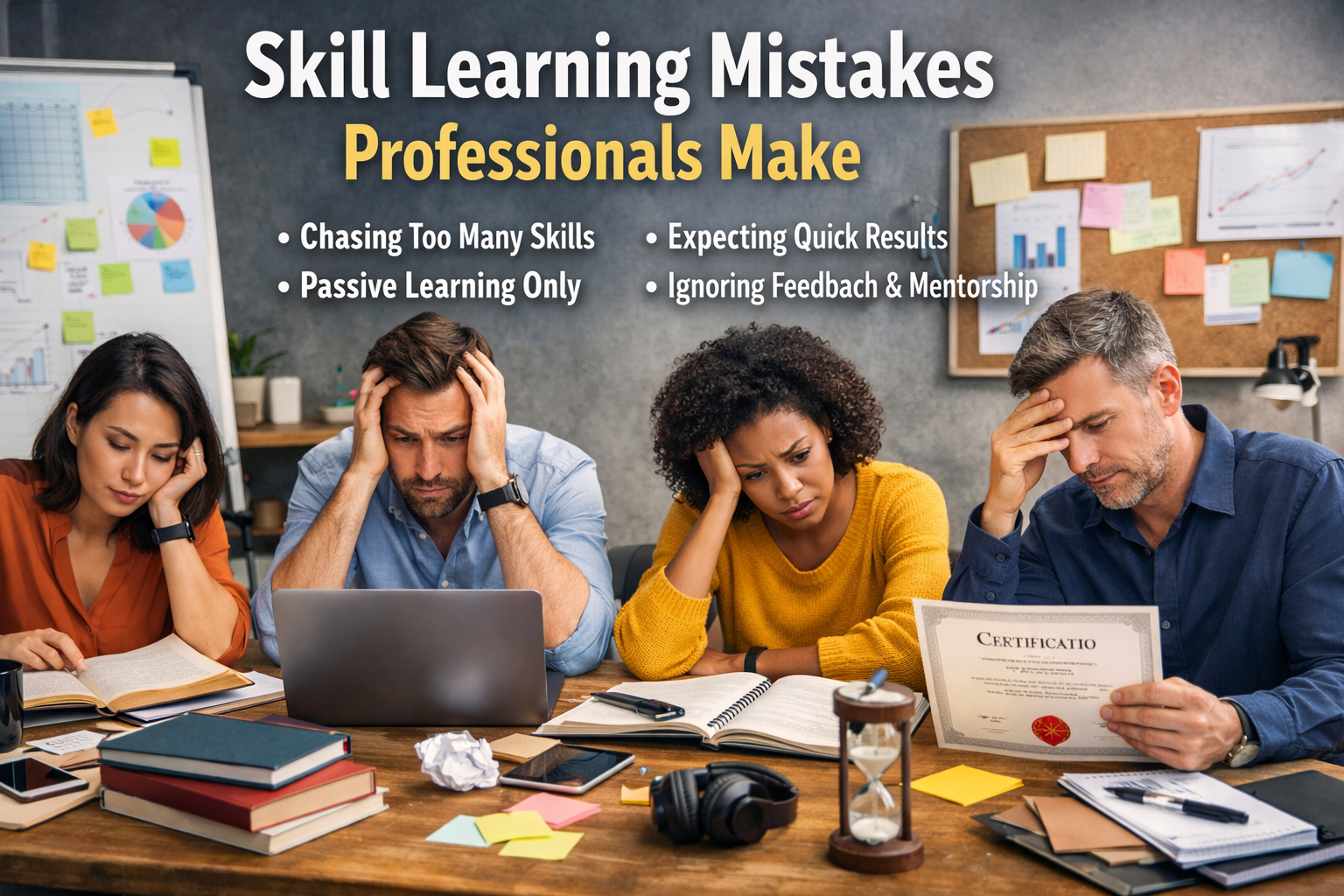
Long-term career planning involves more than landing the first job. Pursuing skill enhancement through certifications, participating in professional associations, and exploring opportunities in high-demand sectors can improve employability.
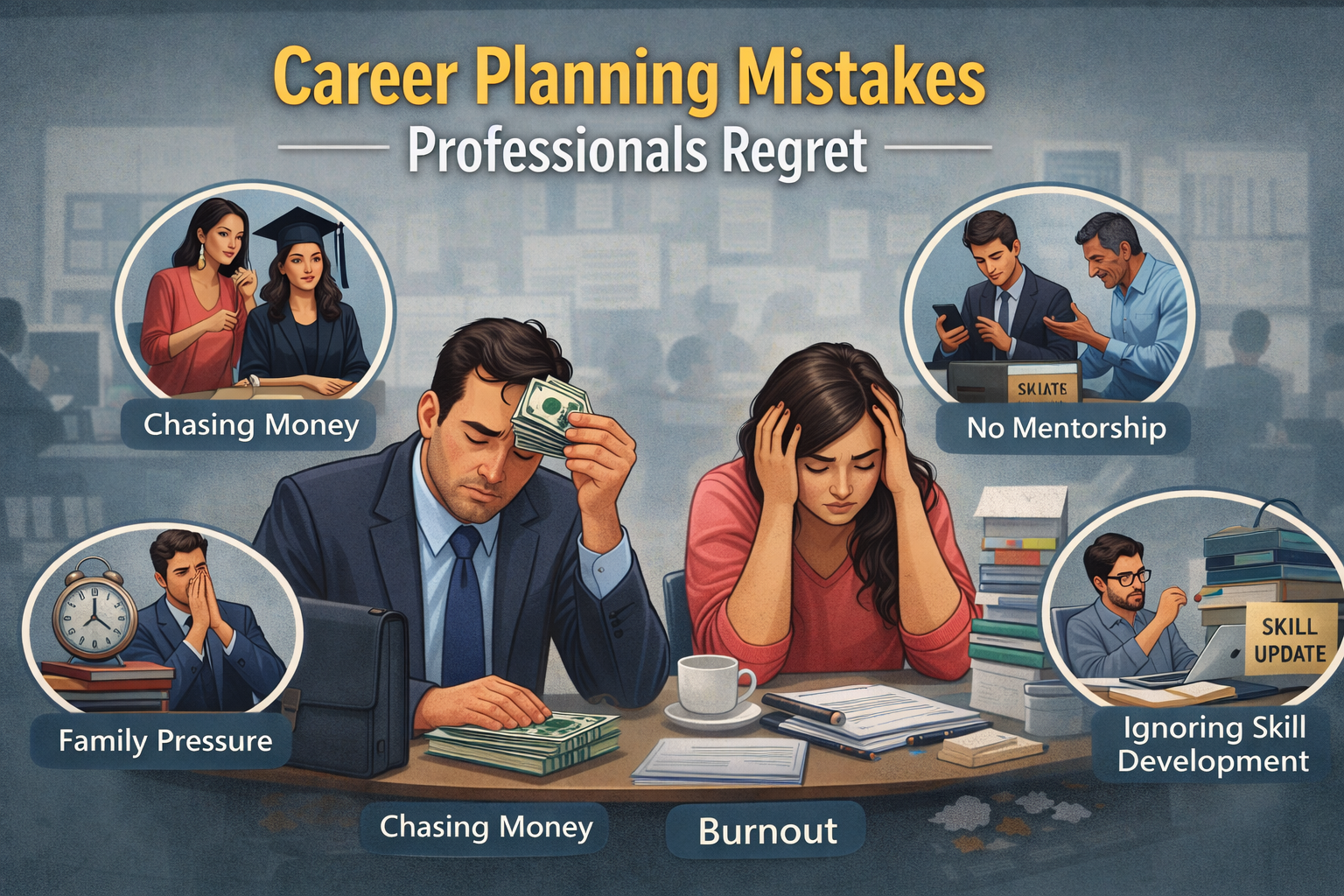
Being proactive about career development ensures a smoother transition from temporary authorization to permanent employment or advanced visa options.
Conclusion
Securing a full-time job as an OPT or CPT student in the U.S. requires more than academic achievement. It demands strategic planning, effective networking, and an understanding of visa regulations. By leveraging practical experience, tailoring applications, and building a professional presence, international students can successfully navigate the competitive U.S. job market.
Careful planning and persistent effort turn temporary work authorizations into long-term career opportunities. Ultimately, success comes from blending skills, experience, and strategic foresight to achieve professional goals in the United States.
Find Your Dream Job Today Explore Endless Career Opportunities and Secure Your Next Role with Best Job Tool




Leave a Reply