Introduction
Finding the perfect job in today’s fast-paced world can feel overwhelming. With countless job portals, company websites, and social media platforms releasing new opportunities every day, manually tracking them becomes nearly impossible. This is where a job search system daily automated job search system can make a huge difference. By setting up a job search system system that runs daily, you can instantly stay updated on the latest openings, save hours of manual searching, and significantly improve your chances of landing the right job.
Such a system not only filters opportunities based on your preferences but also organizes them in a way that makes follow-ups and applications more efficient. Whether you are a fresh graduate, a seasoned professional looking for a career change, or someone exploring remote work options, a daily job search system can act as your personal assistant in the job hunt. In this blog, we will guide you through building a job search system that runs daily, covering everything from planning and tools to automation and performance monitoring.
Understanding the Basics of a Daily Job Search System
What Is a Daily Job Search System?
A daily job search system is an automated process that scans multiple job platforms and job search system aggregators for relevant opportunities every day. Instead of manually checking websites or emails, this system collects new listings and delivers them directly to your inbox, a spreadsheet, or a specialized dashboard.
The core idea is to save time while ensuring that you never miss an opportunity that fits your skills and career goals. Modern systems can even rank jobs based on your preferences, including location, salary, experience level, and industry, making the process highly personalized.
Benefits of Automation in Job Searching
Automation brings consistency to your job hunt. It ensures that no new posting goes unnoticed and eliminates repetitive tasks. Over time, this system builds a database of potential roles, which can be analyzed to spot trends in hiring patterns. Automated alerts reduce stress and increase productivity, allowing you to focus more on preparing applications, networking, and upskilling rather than scouring multiple websites.
Choosing the Right Tools and Platforms
Job Portals and Aggregators
The foundation of any job search system is access to reliable job sources. Popular portals such as LinkedIn, Indeed, Glassdoor, and Naukri.com offer extensive listings across industries. Additionally, niche platforms targeting specific roles or remote opportunities, like Remote.co or AngelList, can enhance the quality of your search.
Automation Tools
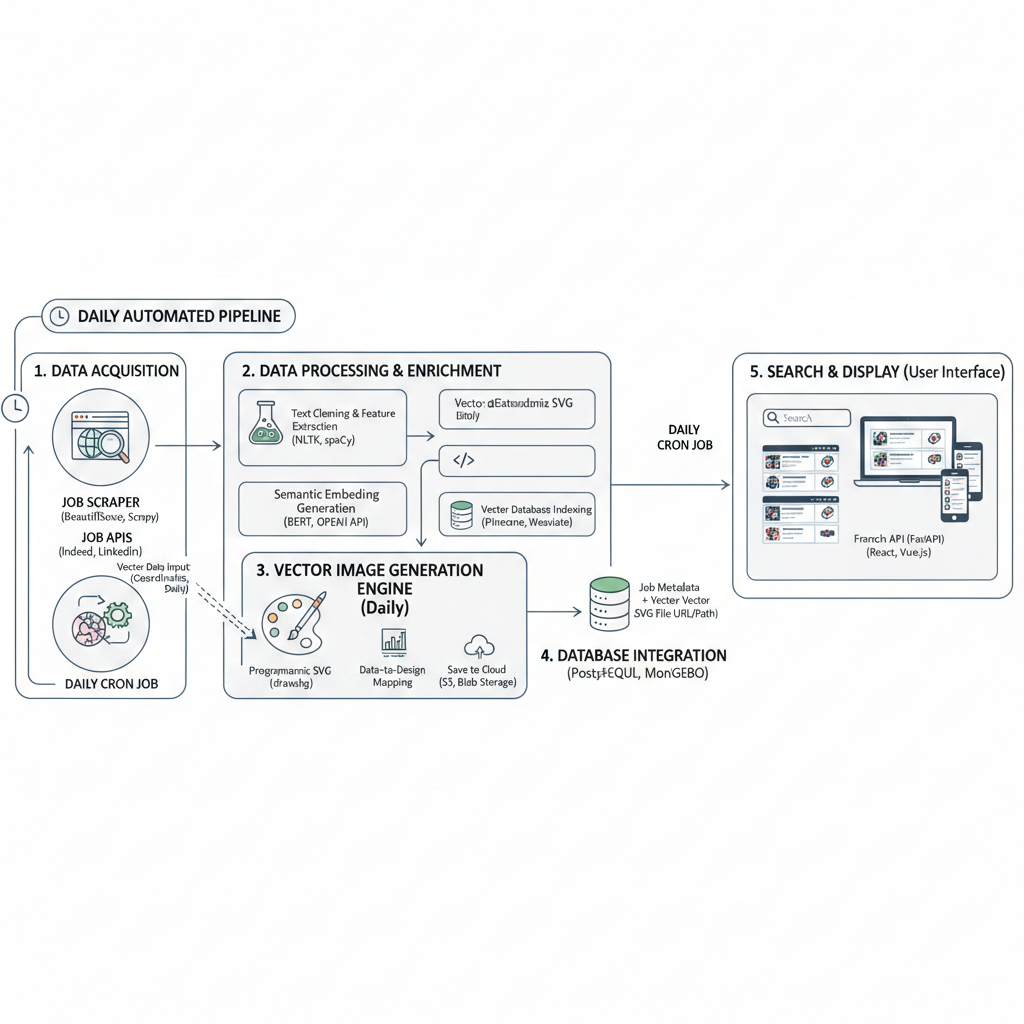
To automate job searches, you can leverage several tools depending on your technical comfort level. Python scripts can scrape listings from multiple websites and filter them according to your criteria. For those who prefer no-code solutions, platforms like Zapier, Make (Integromat), or Microsoft Power Automate can automate job alerts from RSS feeds, emails, and API integrations.
Organizing the Data
Collecting job listings is only part of the solution. Organizing them job search system is equally important. Tools like Google Sheets, Airtable, or Notion can store job information in a structured way. Create columns for company name, position, location, application link, and follow-up status. This structure allows easy tracking of applications and ensures quick access to relevant information.
Building the Daily Automation Workflow
Setting Up Job Alerts
Most job portals allow users to set up keyword-based alerts. Start by defining your preferred keywords, locations, industries, and job types. Once alerts are set up, they can automatically deliver new listings to your email or chosen data repository.
Using Scripts and Automation Platforms
For advanced users, Python or similar scripting languages can create a custom job search workflow. This workflow can scrape listings from multiple sources, filter them based on preferences, and export results into a spreadsheet daily.
No-code platforms like Zapier can perform similar actions. For example, a “Zap” can trigger every time a new job is posted on LinkedIn or an RSS feed, extract the details, and append them to a Google Sheet. Filters and conditions prevent duplicates or irrelevant jobs, making the process efficient.
Scheduling and Notifications
Once your workflow is created, schedule it to run daily. Automated notifications alert you immediately when a relevant job appears. This ensures you are always among the first applicants, giving you a competitive edge in fast-moving job markets.
Enhancing Efficiency and Accuracy
Filtering and Prioritizing Jobs
Not every job that matches your keywords is worth applying to. Implement a ranking system based on salary range, company reputation, or required experience. Some systems even assign scores to each listing, allowing you to focus on the highest-value opportunities first.
Maintaining and Updating the System
A daily job search system requires regular updates to maintain accuracy. Periodically review keywords, alert settings, and sources. Add new job boards, remove inactive links, and refine filters to align with evolving career goals.
Integrating Application Tracking
Combine your automated job search with an application tracking system (ATS). Tools like Trello, Notion, or dedicated ATS software can log when you applied, follow-up dates, and interview schedules. This integration ensures no application job search system slips through the cracks and provides a clear overview of your ongoing job hunt.
Monitoring Performance and Improving Results
Tracking Key Metrics
Measure the effectiveness of your system by tracking metrics such as the number of relevant jobs found, applications submitted, interview invitations, and response rates. These insights help adjust filters and improve targeting.
Optimizing Search Parameters
Based on performance data, tweak your system for better results. Refine keywords, add or remove sources, and adjust notification settings. Over time, this continuous improvement loop ensures your job search becomes smarter, faster, and more targeted.
Leveraging AI for Smarter Searching
Artificial intelligence can further enhance job search automation. AI-based tools can analyze job descriptions and recommend roles that match your skills even if the keywords don’t align perfectly. Some platforms also provide salary predictions and company insights, giving you more information to make informed decisions.
Conclusion
Building a daily job search system transforms the way you approach your career hunt. By automating repetitive tasks, filtering opportunities, and organizing information efficiently, you gain more control, save time, and increase your chances of landing your ideal role.
A well-designed system adapts to your evolving preferences, integrates with application tracking tools, and leverages AI for smarter recommendations. Whether you are actively seeking a job or exploring new job search system career avenues, investing in a robust daily job search system can pay significant dividends. Start with alerts and basic automation, then enhance your system with scripts, tracking, and AI-driven insights. With persistence and continuous improvement, this approach turns a chaotic job search into a structured, highly effective process, putting you ahead in the competitive job market.
Find Your Dream Job Today Explore Endless Career Opportunities and Secure Your Next Role with Best Job Tool






Leave a Reply