Introduction
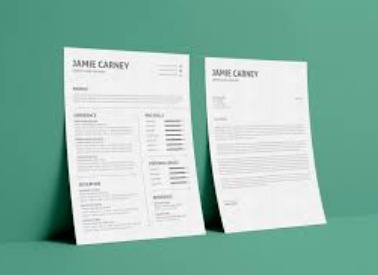
When it comes to job searching, candidates often spend hours polishing bullet points, rewriting their professional summary, and choosing the right skills—yet completely overlook the most critical element: resume layout. The way your resume looks, feels, and flows plays a major role in how recruiters perceive you as a candidate.
A well-structured layout can instantly communicate clarity, professionalism, and confidence. A poorly designed layout can make even your strongest achievements look weak. In a world where recruiters spend 6 to 10 seconds scanning a resume, layout is not just design—it is strategy.
This article explores why your resume layout influences recruiter decisions, how layout impacts ATS, scanning patterns, recruiter psychology, and what you can do to ensure your resume gets the attention it deserves.
Recruiters Scan Before They Read
Recruiters rarely read resumes line-by-line. Instead, they scan for key information:
- Job title
- Skills
- Experience timeline
- Achievements
- Keywords
- Relevant tools and technologies
A clean layout supports fast scanning, making it easier for recruiters to identify whether you match the job.
How bad layout hurts you
- Cluttered paragraphs hide your strengths.
- Poor alignment makes the resume feel messy.
- No hierarchy means nothing stands out.
- Important details get lost in visual noise.
A recruiter who cannot find what they need quickly will simply move on.
How good layout helps you
- Highlights your strongest achievements
- Makes your resume look modern and professional
- Creates a positive first impression
- Shows you understand communication and presentation
Good layout = recruiter reads more = higher chance of shortlisting.
Resume Layout Shapes First Impression in Seconds
Decision-making in hiring is fast. A study shows that recruiters form an opinion about a resume in 7.2 seconds.
The layout directly influences this first impression:
- Clean and modern design → “This candidate is organized and professional.”
- Old-fashioned format → “This candidate is outdated.”
- Too much styling → “This candidate is not serious.”
- Perfect spacing, alignment, formatting → “This resume is easy to evaluate.”
Even before reading content, the layout sets an emotional tone.
Why layout equals professionalism
Employers want to hire someone who:
- Pays attention to detail
- Communicates clearly
- Understands modern standards
- Can present work neatly
A polished layout signals all these qualities instantly.
Resume Layout Affects ATS (Applicant Tracking Systems)
Most companies filter resumes using ATS software before a human reads them.
Your layout can either:
✔ Help ATS scan your resume
or
✘ Block ATS from reading key information
Complex layouts confuse ATS. These include:
- Tables
- Columns
- Text boxes
- Icons
- Graphics
- Infographics
- Resume templates with heavy styling
While they look attractive, ATS often reads them incorrectly.
What ATS-friendly layout means
- Simple structure
- Clear section titles
- Standard fonts
- Keyword-rich content
- Left-aligned text
- No images
A resume with a clean layout ensures higher ATS readability, meaning your resume won’t be rejected due to design.
Good Resume Layout Improves Logical Flow
Recruiters want to see a logical progression in your resume:
- Who you are
- What skills you have
- What you achieved
- How relevant your experience is
- What value you bring
A strong layout creates this flow naturally.
Key flow elements
- clean header with contact details
- A powerful professional summary
- A well-structured skills section
- Experience listed in reverse chronological order
- Clear, measurable achievements
- Short bullet points
- Proper spacing and margins
When the layout flows logically, the recruiter understands your profile faster and more accurately.
Layout Highlights Achievements Effectively
Even if your content is brilliant, poor layout can weaken it.
For example:
A paragraph of 6 lines describing your job responsibilities is harder to read than 3–4 bullet points showing measurable achievements.
Layout techniques that boost achievements
- Bullet points
- Bold achievement keywords
- Short sentences
- Metrics highlighted (e.g., 30%, 2x, ₹10L saved)
- Spacing between roles
- Organized formatting
Good layout makes your wins stand out, increasing your credibility.
Layout Reflects Your Level of Professional Maturity
Believe it or not, recruiters judge your career maturity through your resume layout.
A sloppy layout indicates:
- Lack of discipline
- Poor communication
- Carelessness
- Weak understanding of corporate standards
A refined layout indicates:
- Strong professionalism
- High presentation skills
- Confidence
- Attention to detail
- Ownership of work
Recruiters often compare two candidates with similar skills—but the one with the better layout feels more mature and trustworthy.
Different Industries Expect Different Resume Layout Styles
Another reason layout influences recruiter decisions is that each industry expects a certain style.
Corporate / IT / Finance
- Clean, simple, minimalistic
- Black and white
- Professional fonts
- ATS-friendly
Marketing / Media / Content Writing
- Slightly creative
- Visual hierarchy
- Highlighted sections
- Links to portfolio
- Design Roles
- Creative layout
- Visual elements allowed
- Use of colors and typography
- Portfolio-first approach
If your resume layout does not match industry expectations, recruiters assume you either don’t understand the domain or haven’t researched the role.
Layout Helps Recruiters Decide Fit Quickly
Recruiters make decisions based on:
- Skills match
- Industry match
- Stability in work history
- Growth in career path
- Relevance of achievements
A good layout brings these elements to the front.
Readability Determines Selection Probability
Readability is one of the most important layout factors.
High readability layout includes:
- Standard fonts (Arial, Calibri, Helvetica)
- Font size 10–12
- Headings in bold
- Adequate spacing between lines
- Margins between 0.75 and 1 inch
- No clutter
- 4–6 bullet points per job role
If your resume is easy to read, the recruiter will:
- Read more content
- Understand your value faster
- Consider you for the next stage
If readability is low, they may stop reading after 5 seconds.
Good Layout Prevents Misinterpretation
When a resume is poorly formatted, recruiters may misunderstand details:
- Overlapping sections may hide job titles
- Misaligned dates may show career gaps
- Large chunks of text may hide achievements
- Missing headers may confuse sections
- Incorrect bullet formatting may mix tasks
A clean layout prevents misreading and ensures your story is told accurately.
Layout Supports Storytelling
Your resume is a narrative of your career.
The layout helps:
- Showcase progression
- Highlight strengths
- Connect your experience with the job you want
- Present achievements as part of your journey
- Make your career story easy to understand
If your layout supports storytelling, your resume feels more convincing and complete.
A Good Resume Layout Builds Trust
Recruiters trust candidates who present themselves professionally.
A sloppy layout creates doubt:
“If this is how they present themselves, how will they handle company work?”
“Do they lack discipline?”
“Did they rush their application?”
A polished layout builds trust and positions you as a serious, capable candidate.
Conclusion
Your resume layout is not just a design choice—it is a communication tool, a branding statement, and a strategic element that directly influences recruiter decisions.
A strong layout helps you:
- Make a great first impression
- Highlight your strengths clearly
- Improve ATS performance
- Increase readability
- Narrate your career story effectively
- Look more professional and confident
- Stand out among other applicants
In today’s competitive job market, your layout is just as important as your content. A well-designed resume doesn’t just show your experience—it reflects your mindset, professionalism, and understanding of modern hiring expectations.
You can read more blogs here.




Leave a Reply