
What Exactly Is a Digital Identity?
Your digital identity is basically the combination of your online presence and professional reputation. It tells you how people see you on the internet, how they judge you, and what perception they make about you. Platforms such as LinkedIn, Instagram, Medium, portfolio website, and Google search results all create your identity. Whatever information you share online whether about your skills, your tone, or your communication, it becomes your digital identity.
In 2025, companies are not limited to your resume only they also check your online presence. If your digital identity is strong and professional then recruiters trust you quickly and you can easily stand out in the competitive job market.
Why a Strong Digital Identity Is Important?
Your digital identity is an extension of your professional brand. Every post, comment, photo, or interaction contributes to how people perceive you. Hiring managers, colleagues, and potential clients often conduct online searches to evaluate your credibility. Even seemingly personal platforms, like Instagram or Facebook, can influence perceptions.
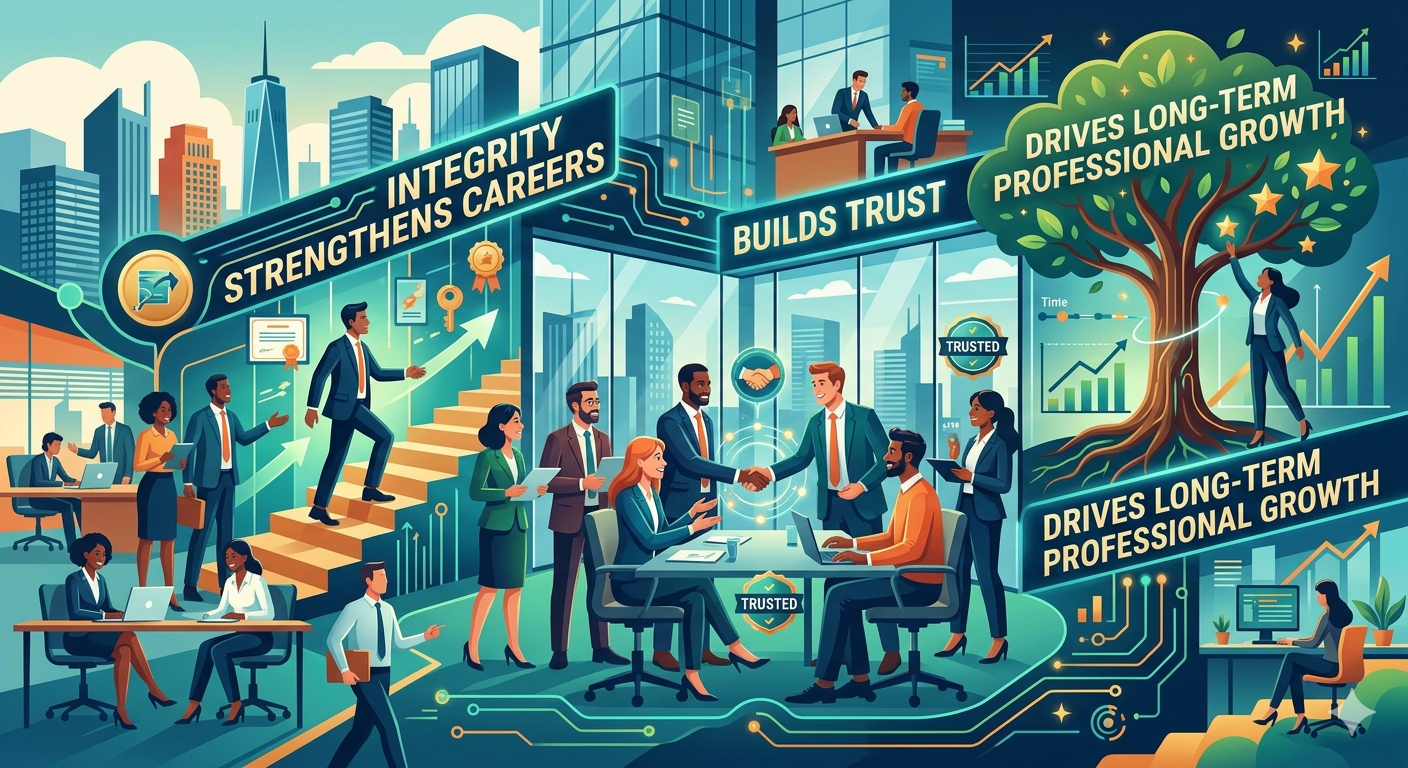
A professional digital image demonstrates:
- Credibility in your field
- Awareness of personal branding
- Responsibility and integrity
- Readiness for professional opportunities
- Helps you stand out in a competitive job market
- Builds trust with employers and clients
- Increases opportunities for global work
By understanding this importance, you will naturally approach your online activity with care and intentionality.
How to Build a Strong Digital Identity?
1. Choose Your Professional Niche for Digital Identity
Identifying your niche means understanding your strengths, talents, and skills so that you can clearly choose a direction for your career. First, see your past achievements, hobbies, and experience, and decide which task you can do perfectly. Then think about which industry you have an interest in working in. Do market research so that you can understand which skills are in demand. When you are aligning your passion with market demand, then you can choose your niche clearly which is best for your long-term growth.
2. Optimize Your LinkedIn Profile for Digital Identity
Your LinkedIn profile is your digital first impression — it’s often the first place recruiters and potential employers check before contacting you. To make it effective, start with a professional profile picture and a clear, keyword-rich headline that reflects your role or target position (e.g., “Aspiring Digital Marketer | Content Creator | SEO Enthusiast”).
Let’s see in detail;
Professional Profile Picture
Your profile photo is the first thing people notice. Make sure it’s:
- High quality (clear, not pixelated)
- Professionally dressed
- Friendly and approachable expression
- Clean background
Catchy & Clear Headline
Your headline doesn’t have to be just your job title. Use it to show your value, skills, and target role.
Examples:
“Unemployed | Looking for work”
“Content Writer | SEO Specialist | Helping Brands Grow with Engaging Content”
A good headline grabs attention and helps you appear in searches.
Strong About Section (Summary)
This is where you tell your professional story. Use simple language to cover:
- Who you are
- Your top skills and experience
- Your goals or what you’re looking for
- A call to action (e.g., “Open to new opportunities” or “Let’s connect!”)
- Use short paragraphs or bullet points to make it easy to read.
Experience & Roles
Don’t just list job titles — explain what you actually did. For each role:
- Mention your key responsibilities
- Highlight accomplishments
- Add numbers or results when possible
“Increased blog traffic by 60% in 6 months through SEO strategy and content updates.”
This helps recruiters understand your impact.
Skills & Endorsements
Add relevant skills to your profile — LinkedIn allows up to 50, but focus on your top 10–15. Ask colleagues or past clients to endorse your top skills to build credibility.
Pro Tip: Match your skills to the jobs you’re targeting.
3. Build a Digital Portfolio
A personal website or portfolio is your online space to showcase skills, work, and achievements. It builds credibility, gives you full control over your personal brand, and makes it easy for recruiters or clients to find you. Include a professional bio, best work samples, testimonials, resume/CV, and contact details. You can also add a blog to share insights and establish authority.
Keep the design clean, mobile-friendly, and easy to navigate. Use high-quality visuals and clear descriptions for each project. A strong portfolio not only highlights your expertise but also leaves a lasting impression that can open doors to new career opportunities.
4. Consistency Across All Platforms
Consistency is the main part of your success because consistency helps you stay updated with relevant trends, helps you to motivate, and helps you to get opportunities. To make digital identity, you need to be careful that you are posting same information to all the platforms otherwise recruiter or audience will not trust you and your online presence will be no longer stay strong and professional. Another benefit of consistency is if you will use same profile picture or name then people can easily able to find you on any other platform.
Keep all these information same across all the platforms;
- Same name
- Same username
- Same profile picture
- Same tone of communication
- Same niche keywords
This boosts recognition and makes your identity stronger.
5. Share Valuable Content Regularly
A key part of maintaining a professional image is actively contributing value online. Posting content that reflects your expertise helps establish credibility and positions you as a thought leader.
Ways to Share Content Professionally:
- Write Articles or Blog Posts: Share insights, tutorials, or industry news.
- Comment Thoughtfully: Engage in discussions on LinkedIn, Twitter/X, or relevant forums. Avoid spammy or off-topic comments.
- Share Industry News: Curate articles and provide your own analysis or opinion.
- Showcase Achievements: Share completed projects, certifications, or awards professionally.
Consistency is key. Posting regularly keeps you visible to your network and signals ongoing engagement in your field.
6. Engage With the Right People to build a Strong Digital Identity
Candidates usually make one mistake, and that is they apply and wait for the response of the recruiter. But in today’s competitive market, attracting the attention of recruiters is equally important. Job tools also show the activity of candidates to recruiters, like candidates’ engagement on LinkedIn. That’s why if you are genuinely interested in any company, then follow their recruiter comments on the thoughtful post and make your presence visible. It creates direct communication which leaves a positive impression.
For example, if you are applying for a marketing role and the company has posted about a new product, then sharing your professional view on that post will show you to be active and enthusiastic in front of recruiters.
7. Showcase Your Expertise Through Micro-Skills
Add all your certifications to your LinkedIn, resume, and portfolio — whether they are small or big, such as HubSpot, Google courses, or Udemy. Certifications show that you learn regularly and stay updated with the latest industry trends.
Also mention the tools you use — whether you design using Canva, research keywords through SEMrush, create content plans using Notion, or design UI drafts using Figma.
Sometimes share your working process as well, such as how you do research, how you create drafts, or the journey from idea to final output.
This will make your credibility and expertise much stronger.
8. Maintain a Clean, Professional Online Image
Maintaining a clean and professional online image is very important because everyone—whether it’s a recruiter, CEO, learner, or student—views your profile.
We should include only relevant things on our profile so that we can create a strong online presence.
You must remove any old or embarrassing posts that can damage your image in front of others. Write a simple and professional bio, and also check what appears when someone searches your name on Google.
If we have a clean and professional online image, recruiters will be impressed when they view our profile and may even want to work with us.
And if anyone else sees your profile, they will be able to learn something valuable from you.
9. Monitor and Update Your Digital Identity
Check regularly on which platform you are growing, see how many profile viewers are there, and how much engagement there is. Through this you will get to know whether your online presence is improving or decreasing. Analyze your post every week, see on which topics you get more likes, comments, and which article or reel has more shares and observe which type of content people love to see.
When you understand what your audience likes then you can make your content better. Review every platform such as LinkedIn, medium, Upwork, Instagram once a month and add new achievements, update skills, fresh profile photo, improve summary and headline little bit. Through this is your digital identity will always look professional and fresh.
10. Build Authority Through Testimonials
Recommendations act as social proof.
Ask Teachers, Mentors, and Colleagues
Request a few lines about:
- Your work quality
- Your dedication
- Your learning ability
- Your attitude
These testimonials build instant trust with recruiters.
Add Testimonials to Your Portfolio
You can place them on:
- Your website
- Resume (short quotes)
People trust people who are recommended.
Conclusion
This article walked you through the complete process of building a strong and memorable digital identity. You learned how to choose your niche, optimize your LinkedIn profile, create a powerful portfolio, and maintain consistency. We also explored how to share valuable content, engage with the right audience, showcase your micro-skills, collect testimonials, and regularly monitor and update your online presence.
By applying these steps, you’ll build a digital identity that is not only professional but also trustworthy and recognizable. This stronger online presence will help you attract better job opportunities, impress recruiters, build credibility as a freelancer, and connect with people who value your work. In short, a well-built digital identity becomes your personal brand—one that works for you 24/7, even when you’re not actively looking for opportunities.
Want to explore more such blogs? Read here.


Leave a Reply