Introduction
Keeping track of your job applications helps you stay focused, organized, and confident during your job search. Many job seekers lose great opportunities because they miss follow-ups or forget where they applied. When you learn how to track your job applications professionally, your job search becomes smoother and more strategic.
A structured approach also helps you spot patterns, refine your resume, and improve your chances of landing interviews. In this guide, you’ll learn practical ways to organize your job search, keep your workflow stress-free, and use tools that save time and effort.
Why organized tracking matters
An organized tracking system helps you understand where you stand in the hiring process. It also prevents mistakes that could hurt your reputation with recruiters.
Clear tracking lets you follow up at the right time. It also helps you stay calm because you always know your progress. When you manage everything correctly, you create a professional image and increase your confidence.
How to build a simple job tracking system
A simple tracking system makes the job search easier. Start with one tool that feels comfortable and easy to update. It can be a digital tracker or a handwritten one.
Choose a format that helps you see important details at a glance. This can include the company name, role, application date, status, and follow-up timeline.
When you learn how to track your job applications professionally, you also learn to manage your energy better and avoid burnout.
Using spreadsheets to stay organized
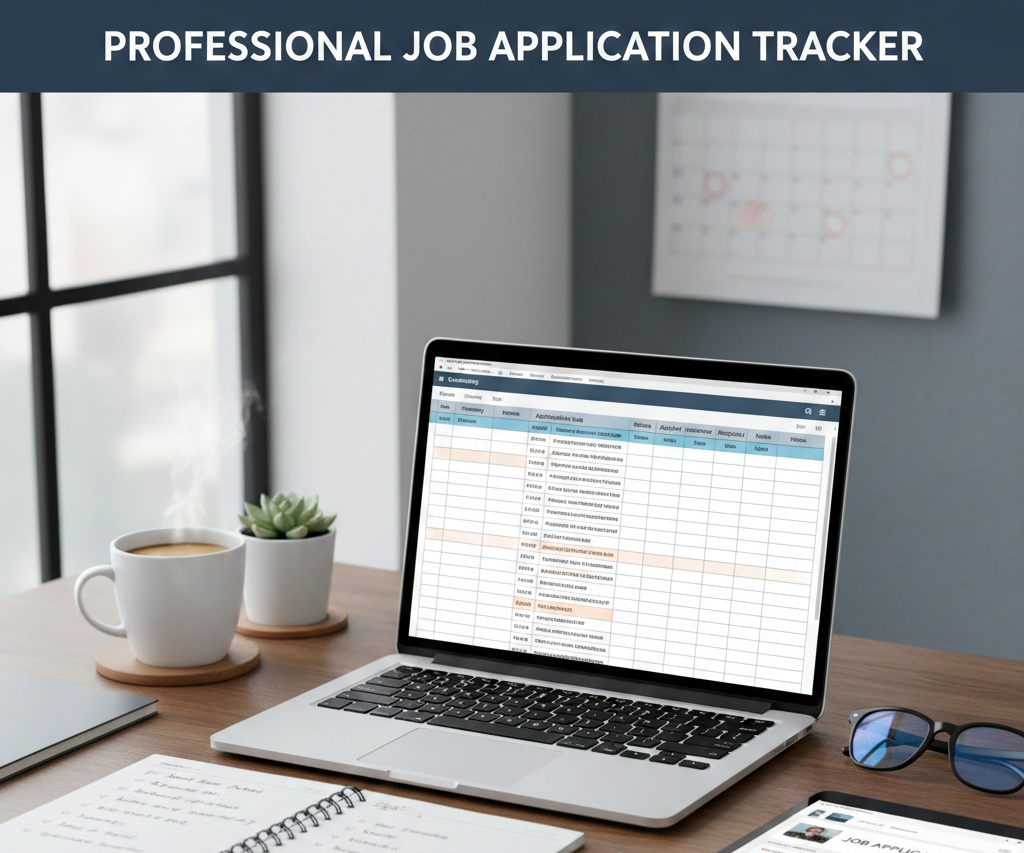
Spreadsheets offer one of the most flexible ways to track job applications. They help you sort, filter, and review your progress instantly.
You can create separate columns for application dates, job titles, recruiter job applications professionally details, and next steps. Since spreadsheets are easy to update, you stay consistent with your tracking.
Use bullets only in this section:
- Add conditional formatting to highlight deadlines.
- Create filters to spot pending follow-ups quickly.
A spreadsheet works well if you apply to multiple roles each week and want a clear structure.
Using digital job tracking tools
Digital tracking tools offer templates, reminders, and automation. These tools can sync across devices and help you follow up faster.
They allow you to save job links, upload resumes, and add interview notes. This keeps your entire job search in one place. Many tools also send reminders so you never miss key updates.
When you understand how to track your job applications professionally, you start using smarter tools that reduce stress and boost productivity.
How to set reminders for follow-ups
Follow-ups help you stay visible to recruiters. Many candidates miss jobs because they forget to check in after applying. Reminders solve this problem.
Use digital calendars or phone alerts to schedule follow-ups. Always job applications professionally follow up politely and at the right time. This keeps your communication professional and shows your interest.
Timing matters. Setting reminders also gives you a clear routine that supports your job search.
Storing documents in one place
Keeping your documents organized is an essential part of tracking your applications. It saves time and supports a clean workflow.
Create folders for resumes, cover letters, and interview notes. Keep updated versions of your documents so you can apply quickly. When everything is in one place, you reduce stress and improve consistency.
Use bullets only in this section:
- Label your folders clearly for quick access.
- Save files with simple names like “Resume-Marketing” or “CoverLetter-Sales”.
Strong organization gives you an edge, especially when you apply to multiple roles.
Reviewing your progress every week
Weekly reviews help you understand what is working. When you pause and review your progress, you identify gaps and opportunities.
This habit improves your strategy and helps you apply smarter. You may job applications professionally discover which industries respond faster or which resumes get more replies.
A weekly review keeps your job search active and strategic. It also helps you adjust your plan when needed.
Staying consistent with your tracking routine
Consistency is the key to learning how to track your job applications professionally. Even small daily updates help you stay in control. A consistent routine also reduces overwhelm because the information stays fresh.
Update your tracker as soon as you apply for a job. Add interview dates, notes, and feedback right away. This keeps your job search clean and accurate.
Consistency improves your confidence because you always know your next step. It also prepares you for follow-up opportunities.
Conclusion
Learning how to track your job applications professionally helps you stay organized, confident, and ready for every opportunity. A clean system keeps your workflow simple and stress-free. When you track job applications professionally your applications correctly, you communicate better, follow up at the right time, and present yourself as a serious candidate.
Use spreadsheets, reminders, and digital tools to build a structured job search plan. Stay consistent with your updates and always review your progress. When you follow these steps, your chances of getting interviews rise naturally. Start organizing your applications today and use the best job tool to explore career opportunities with a smart and professional approach.
Find Your Dream Job Today Explore Endless Career Opportunities and Secure Your Next Role with Best Job Tool






Leave a Reply