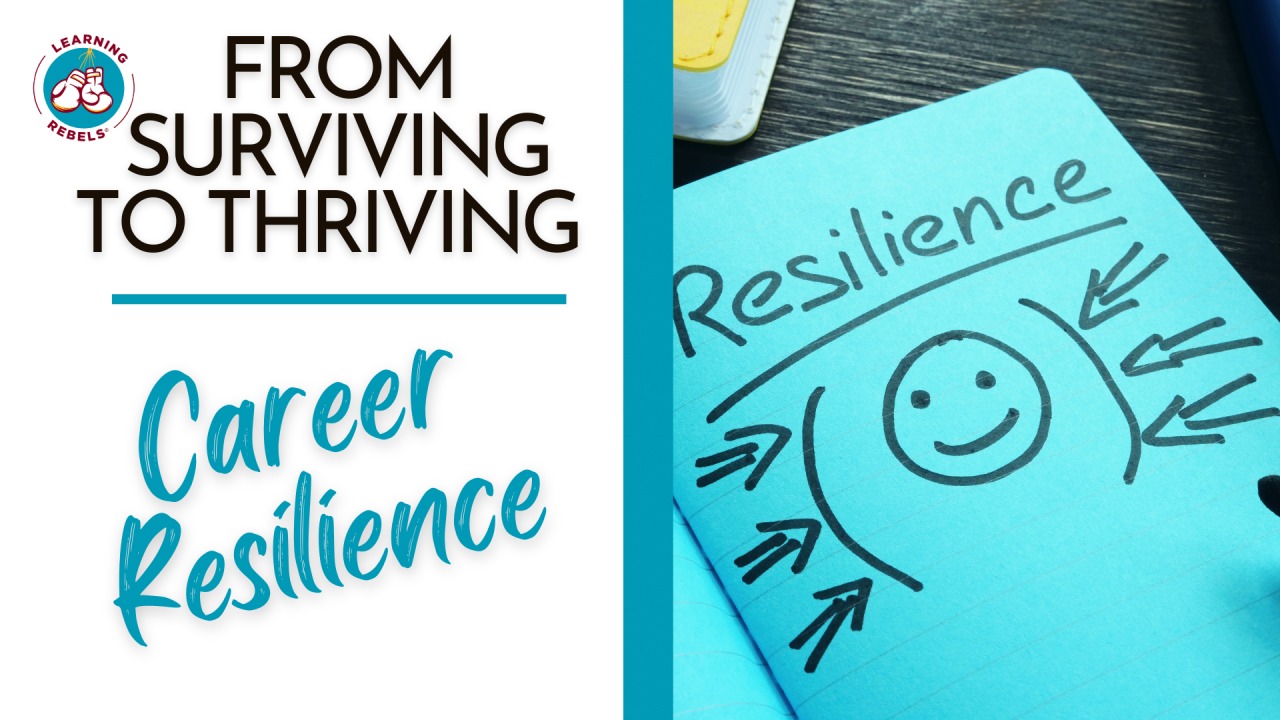
What is Career Resilience?
Career resilience means your ability to stay strong, adaptable, and confident in your career—even when challenges, changes, or setbacks happen.
It is the skill that helps you:
- handle job pressure,
- bounce back after failures,
- adjust to new roles or technologies,
- and keep moving forward in your career without losing motivation.
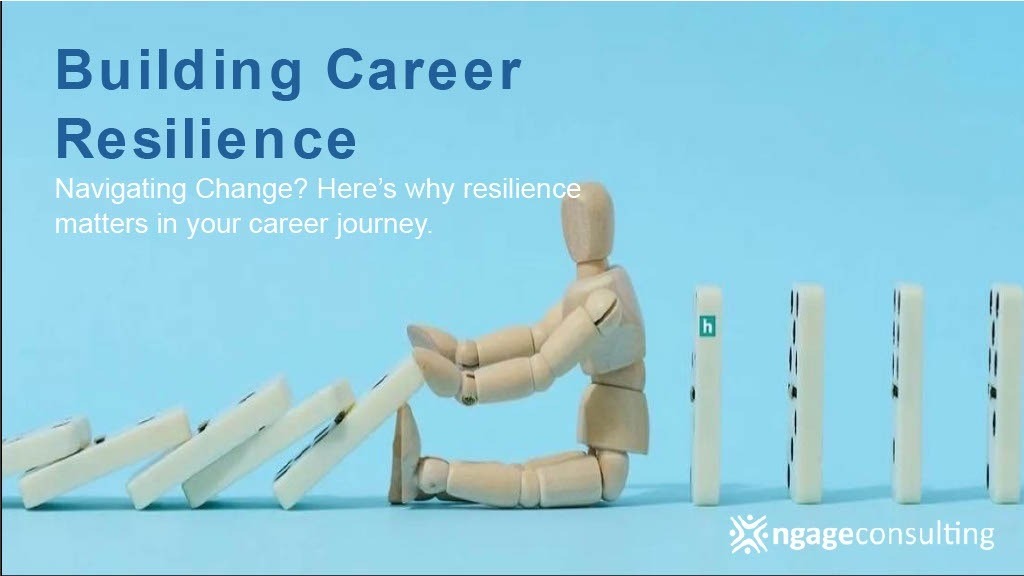
A resilient person doesn’t get stuck when things go wrong. Instead, they learn, improve, and come back stronger.
How to Build Career Resilience?
1. Develop a Growth Mindset
If a person has a growth mindset, then no matter what problem or difficulty comes their way, they will be able to handle it easily. Instead of panicking, they will think about how to sort it out so they can move forward in their career.
Instead of giving up, think about how you can face any problem and what you can learn from it. And if someone gives you feedback, accept it happily and try to improve yourself.
Never take feedback personally or get emotional — treat it as a growth agent. Focus on progress, not perfection.
2. Keep Your Skills Updated
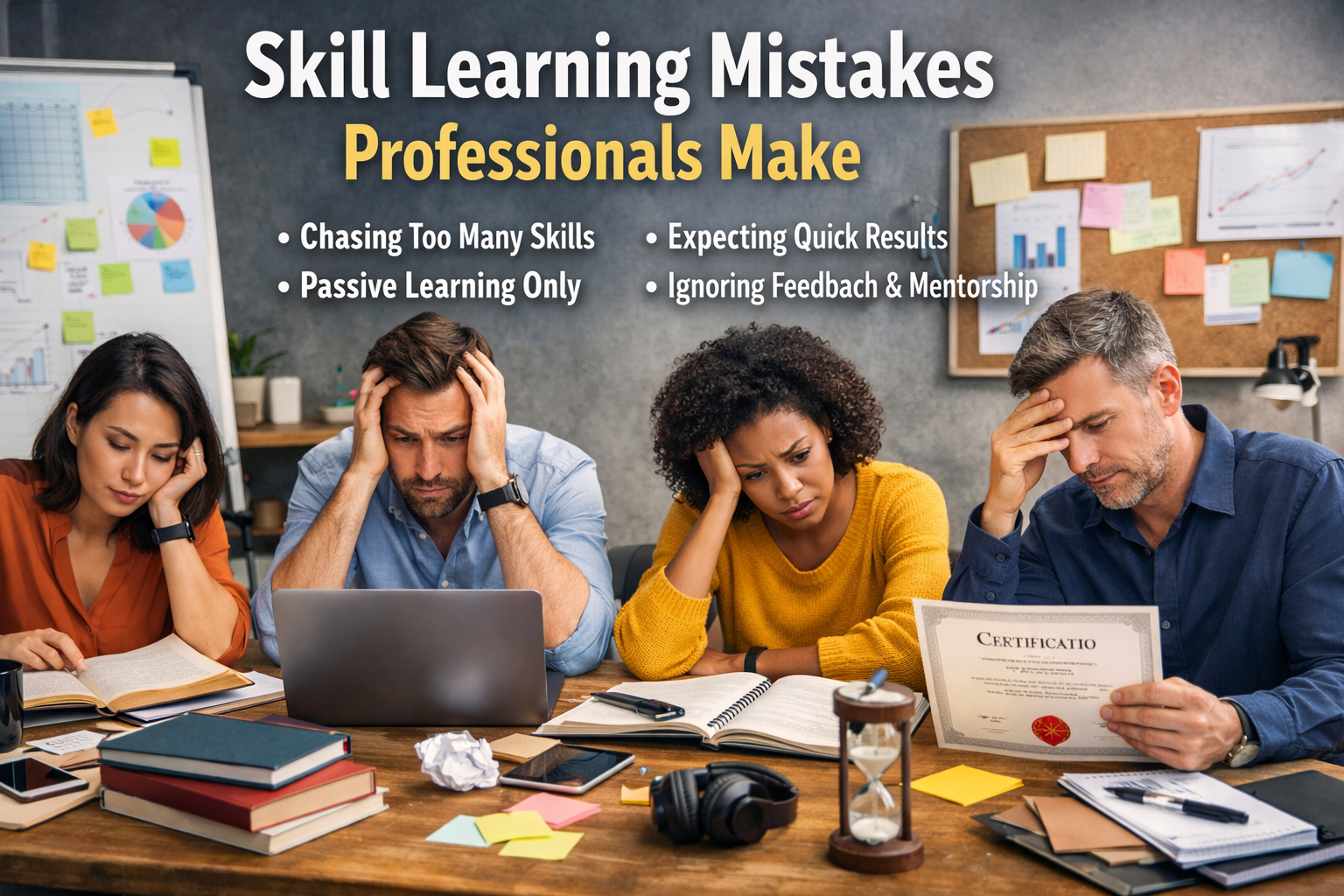
The job market is competitive, and simply wanting a dream job is not enough. To stand out and succeed, you need to develop the right skills that employers are looking for. Success comes to those who continuously learn and improve themselves. That’s why up-skill for your dream job —learning new skills or improving existing ones—is essential.
Now there are multiple methods for upskilling, candidates have variety of choices of tools and platforms. They can learn skills from the platform, which makes them comfortable. There are also many courses available.
Online courses, certifications, and workshops.
- Online course
With platforms like Coursera, Udemy, LinkedIn Learning, and Skillshare, you can learn skills anytime and anywhere. Here you can find courses from beginner to experience level. - Certification
A certificate from recognized institutions adds value to your profile. Like a Google Analytics certificate or a Microsoft Excel certificate, prove your expertise. - Workshop
Workshops are short-term interactive sessions where you can directly learn practical skills from experts. It’s also very useful for networking.
3. Build a Strong Professional Network
Networking is very important because, when you interact with a professional, it also boosts your confidence and improves your communication skills. Which helps in your interview. Networking is not limited to jobs only – it can also be one way for your long-term career growth. If today you are having a small conversation with a professional person, no one knows, maybe the next day that person will be the reason for your big opportunity.
How to build it:
- LinkedIn networking
Connect with a professional with your targeted role. Message them politely to ask which skills are more useful in the field.
- Informal interviews
Arrange a short online meeting where you would be asking about the career path and skill requirements.
- Industry event
Attend industry events and seminars to know about the industry in detail and in person.
- Joining professional communities and events.
Becoming part of professional communities—both online and offline—helps you connect with people in your industry, exchange ideas, and stay updated on the latest trends. Attending events such as conferences, seminars, and workshops allows you to learn from experts, discover new opportunities, and build relationships that can support your career growth. These connections often provide insights and mentorship that go beyond what you can learn from courses alone
4. Be Open to Change to Build Career Resilience
Career resilience means adapting quickly, whether the change is small or big. Accepting every situation is called career resilience. If your job role changes, your tasks change, or the company goes through restructuring, you should not panic. You need to stay calm and focus on your growth instead of worrying.
During such times, you should stay composed and look for solutions. Find ways to handle the problem effectively — only then can you build true career resilience.
5. Build Emotional Strength for Career Resilience
Emotionally intelligent people understand their team’s dynamics and connect with them. They inspire to perform best. These people create a positive environment where people can easily share ideas. The focus is not only about results; they also focus on growth.
When the situation is tough emotionally intelligent people do not panic. They control their emotions and think with a calm mind. It helps them to make logical and fair decisions. These people teach their team members how to stay composed during times of stress.
Everyone has to face criticism in their career. Emotionally intelligent people do not take that personally instead take it as a chance for improvement. They use a respectful tone while taking and giving feedback.
6. Set Clear Career Goals
Without direction, you feel lost. With goals, you feel confident. You have to set your goal and think of a realistic timeline to complete all your preparation steps.
Short-term goals are those that you can achieve in 1 to 6 months. Like learning new skills, completing a certificate, or making a portfolio. Long-term goals are those that you can achieve in 1 to 3 years. Like getting a job in your target role, having a promotion, or achieving any specific income level. Setting a goal in a SMART (specific, measurable, achievable, relevant, time-bound) format is best so that you can track your progress.
A strong goal keeps you focused, reduces overthinking, and gives you control over your career journey.
7. Celebrate for Small Wins
You should appreciate your effort whether it is small or big.
- Become a reward system for yourself.
- You can prepare a coffee treat for yourself after completing a big task.
- You can also enjoy your favourite snack or watch an episode of your favourite show to appreciate yourself.
- Not only for big efforts, you should also appreciate yourself for small achievements. You can pat your back after a small achievement to feel good.
These self-rewards encourage you psychologically and motivation gets long-term sustainability from self-appreciation, and you don’t feel your work is boring or forced.
8. Prepare for Uncertainty to Build Career Resilience
Staying positive during career uncertainty can be challenging, but it’s essential for keeping motivation high. One effective strategy is positive self-talk — remind yourself of your skills, achievements, and past successes. Using affirmations daily, such as “I am capable of finding the right job for me,” can reinforce self-confidence and resilience.
Journaling or practicing gratitude can also help manage rejection. Writing down small wins, lessons learned, or things you are thankful for shifts your focus from setbacks to progress.
Finally, avoid comparing yourself to others. Everyone’s career journey is unique, and measuring yourself against someone else’s timeline can lead to unnecessary stress. Focus on your growth and the steps you are taking to reach your goals.
Here is a detailed guide on career uncertainty.
9. Seek Mentors and Role Models
Mentorship means connecting with people in your desired industry and learning from them so that you can build strong connections and gain guidance for your career change. Making relationships with professionals who are already working in your targeted field. You can approach them through LinkedIn, industry events, webinars, workshops, or alumni networks. Introduce yourself, show your genuine interest, and learn from them about the industry. These connections can help you get referrals, mentorship, and real-world insights.
Find mentors:
- Within your company
- On LinkedIn
- Through professional communities
10. Practice Continuous Self-Improvement
Continuous self-improvement means making small, consistent efforts to become better every day. Instead of waiting for big changes, you focus on learning new things, improving your skills, and overcoming weaknesses step by step. This habit not only boosts your confidence but also keeps you prepared for new opportunities.
You can practice self-improvement by reading regularly, taking short courses, improving communication skills, seeking feedback, and learning from your mistakes. When you commit to growing a little each day, you naturally become more resilient and capable in your career.
Conclusion
Building career resilience is not a one-time effort—it’s a continuous process of learning, adapting, and growing. When you stay open to change, keep improving your skills, strengthen your mindset, and build supportive networks, you become better prepared for any challenge that comes your way. Resilient professionals don’t just survive difficult situations—they turn them into opportunities for growth. By investing in yourself every day, you build a career that is strong, flexible, and future-ready.
Want to explore more career blogs? Read here.




Leave a Reply