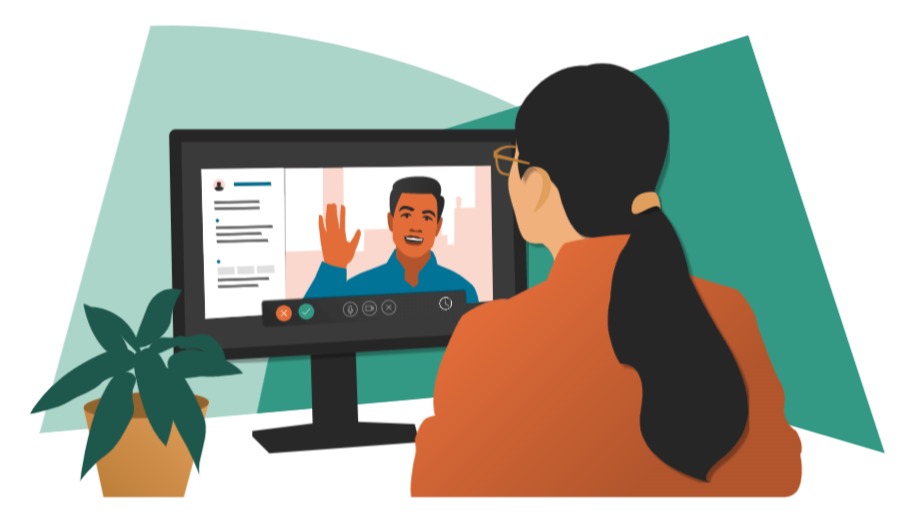
What is Screening Calls?
Screening is a short and a initial phone calls which recruiter does with you, usually at the first stage of the hiring process. The main purpose is to check your background, skills, interest, and basic job requirements.
Through this call recruiter wants to check:
- Whether you are suitable for job or not
- Your communication skill
- Do you have basic understanding?
- Is your experience matching with job or not?
- What is your salary expectations and joining availability?
Screening call is usually of 10-20 minutes, in which recruiters asks fast questions to decide whether you should move to the next interview round or not.
How to Prepare for Recruiter Screening Calls Effectively?
1. Research the Company before Screening
Researching about the company is important for every screening call because the employer is not meeting you personally in the office. They have to trust only in your answers and in the call.
- Firstly, you need to check the website and blog of the company. See which type of services are provided by them, their vision, and which values are important to them.
- Follow the social media pages of the company, such as LinkedIn or Twitter. Through this, you can understand their culture and communication style.
- If possible, read reviews of the company on Glassdoor or Indeed. Through this, you will get to know the company’s behavior with employees.
- Read the job description line by line. Link every skill and requirement with your experience.
2. Understand the Job Role before Screening Call
Understanding the job role is the first step to cracking a job call. Many candidates directly start practicing, but without understanding the role and the expectations of the company, the preparation remains incomplete.
A job description works like a road map. The job description clearly mentions the type of candidate the company needs, such as coding skills, database, and system design knowledge. Skipping this means missing a chance.
Compare your skills with the job description. If any required skills are missing, then plan a short-term learning. For example, if the role requires SQL or Cloud, and you are weak in these skills, then focus on these.
3. Prepare a Short 30–40 Second Self-Introduction
Your introduction sets the tone for the entire screening call, so it needs to be clear, confident, and concise. A strong introduction should include:
- Your name and background
- Your key skills and strengths
- A quick summary of your experience or achievements
- The value you can bring to the role or company
Keep it short—about 20–30 seconds—because screening calls are usually fast-paced. A well-prepared introduction helps you start with confidence and creates a positive first impression on HR.
4. Join Screening Call on Time
The main things you need to keep in mind are that you should join the screening on time. If you attend or join the call two to three minutes earlier, the other person will feel that you are professional, you value the call, and you value punctuality. As everyone knows, punctuality is a symbol of respect. When we value someone’s time, they feel respected, and it also creates a good impression of us. Always try to be mindful of time, especially during online meetings.
5. Prepare Answers for Common Screening Questions
Screening calls questions can be confusing sometimes, whether you are a fresher or an experienced one. To remove this confusion and nervousness, you need to be prepared for it before the call. Here are common questions that are asked in an interview and their best answer which help recruiters understand your background and personality.
Examples:
Tell me about yourself – “I’m a graduate in [Your Field] with a passion for [Your Interest, e.g., digital marketing]. Over the past year, I’ve worked on projects that improved my skills in [Key Skill]. I’m now looking for an opportunity to apply my skills in a dynamic organization like yours.”
Why should we hire you? – “I believe my skills match your job requirements perfectly. I’m a quick learner, detail-oriented, and always eager to take on new challenges. I’m confident I can contribute to your team’s goals and add value from day one.”
Tell me about a time you faced a challenge at work.
“In my internship, I had to complete a report with limited data. (Situation) I gathered additional information from team members and online sources. (Task) I stayed late to ensure accuracy. (Action) The final report was well-received and used in the final presentation.
What are your strengths and weaknesses? – “My strength is strong communication — I can clearly convey ideas and work well in a team. My weakness was public speaking, but I’ve been actively working on it by attending workshops and practicing regularly.”
Describe a time when you worked under pressure.
“During college exams, I also had a project deadline. I made a clear schedule, divided my time efficiently, and stayed focused. I submitted the project on time and performed well in exams too.”
Where do you see yourself in 5 years?
“In five years, I aim to take on more responsibility, lead projects, and grow as a professional in this field. I want to continuously learn and help the organization achieve its long-term goals.”
Prepare short and honest answers.
6. Prepare Your Own Questions
A screening call is not just a one-sided process; in fact, it’s a conversation. When you ask questions of the recruiter, it shows your genuineness and interest in the role. And you get a better idea about the role and work culture. It creates a professional impression which is why we have to ask one to two questions at the end of the call. This shows confidence and seriousness.
Sample questions that you can ask are,
- Can you tell me what a typical day in this role looks like?
- What are the main goals or expectations for someone in this position?
- How is success measured for this role?
- What are the biggest challenges someone in this position might face?
- Are there opportunities for learning, growth, or career development?
- How would you describe the company culture?
- Is there any training provided for new joiners?
- What are the next steps in the interview process?
- What do you enjoy most about working here?
- What does the team structure look like, and who will I be working closely with?
These are the 10 sample questions, you can also ask these questions if you are going for a screening call.
7. Choose a Quiet Environment for Screening Call
A very important step in the screening is choosing a location. If you do a setup in the wrong place, then distraction can increase, and productivity will decrease. Location should be according to your work’s nature. If you have to attend frequent calls and meetings, then your space should be noise-free.
Do not choose the location near high traffic areas such as the living room or kitchen because family members stay and they talk or do things that increase noise. You should choose a location near the bedroom’s corner, attic, or any unused room that is peaceful. If you make sure of all these things, then you can work quietly without any interruptions and also attend screening without any background noise.
8. Practice Clear Communication
Speaking clearly and confidently is very important for career growth. You do not need a strong accent or big vocabulary. Basic and clear English is good enough.
Ways to improve speaking:
Speak slowly and clearly
Fast speaking makes you sound nervous. Slow speaking makes you sound confident.
Use simple words
People understand you better when your language is simple and direct.
Practice speaking daily
You can practice with friends, family, or even in front of a mirror.
Join English speaking or communication groups
Practice improves fluency.
Work on your tone
Your tone should be calm, friendly, and respectful.
Record your voice
This helps you notice mistakes and improve.
Speaking is a skill that improves with regular practice. The more you speak, the better you become.
Learn more about developing communication skills through our detailed guide.
9. Be Honest About What You Don’t Know
During a recruiter screening call, you may come across a question you’re not fully sure about — and that’s completely okay. Instead of guessing or giving a confusing answer, it’s better to be honest. Recruiters appreciate transparency because it shows integrity and self-awareness.
A simple way to respond is:
“I’m not familiar with that yet, but I’m willing to learn.”
or
“I haven’t worked on that directly, but I understand the basics and I’m open to gaining more experience.”
This kind of honesty doesn’t make you look weak; it actually makes you look confident, trustworthy, and eager to grow. Recruiters don’t expect you to know everything — they expect you to be genuine and willing to learn.
10. Follow Up With a Thank-You Message
Your work does not end with the end of the screening call.
- Send a thank you email within 24 hours.
- Mention highlights of the call to feel personal.
- Highlight your interests and skills again.
Example: “Thank you for today’s conversation. I love to know about your communication strategy. I am excited to support the goals of your team through my content strategy and collaboration skills”.
A screening call is your first chance to prove yourself as a strong candidate. Not only technical knowledge but also communication style, discipline, and adaptability are judged.
Every step is equally important, whether researching about the company, practicing call answers, asking smart questions, or following up. If you take these seriously then you will leave a strong impression in your call.
Conclusion
Preparing for a recruiter screening call doesn’t have to feel stressful. With the right approach — understanding the role, practicing your introduction, researching the company, and communicating honestly — you can make a strong first impression. Recruiters look for clarity, confidence, and genuine interest, not perfection.
When you stay prepared, stay calm, and stay honest about what you know (and don’t know), you naturally increase your chances of moving to the next stage. Small efforts before the call can create big opportunities in your job search.
For more informative blogs, read here.



Leave a Reply