
Introduction
In today’s competitive job market, only applying through job portals is not enough. Many job opportunities are not posted publicly; they are filled through referrals. That’s why online communities have become a powerful resource for job seekers.
Online communities like LinkedIn groups, Slack channels, Discord servers, Reddit forums, and professional Facebook groups are not just discussion platforms. They are real networking spaces where professionals help each other, share knowledge, and discuss job opportunities early.
However, there is a common misunderstanding. Many people think that asking directly for a referral right after joining a community is a good approach. In reality, referrals are based on relationships and trust, not random requests. The correct use of online communities is to first create value, engage consistently, and gradually build professional connections.
In this article, we are going to understand how to use online communities strategically so that you can make genuine connections and increase your chances of getting job referrals naturally, without feeling forceful or awkward.
What Are Online Communities?
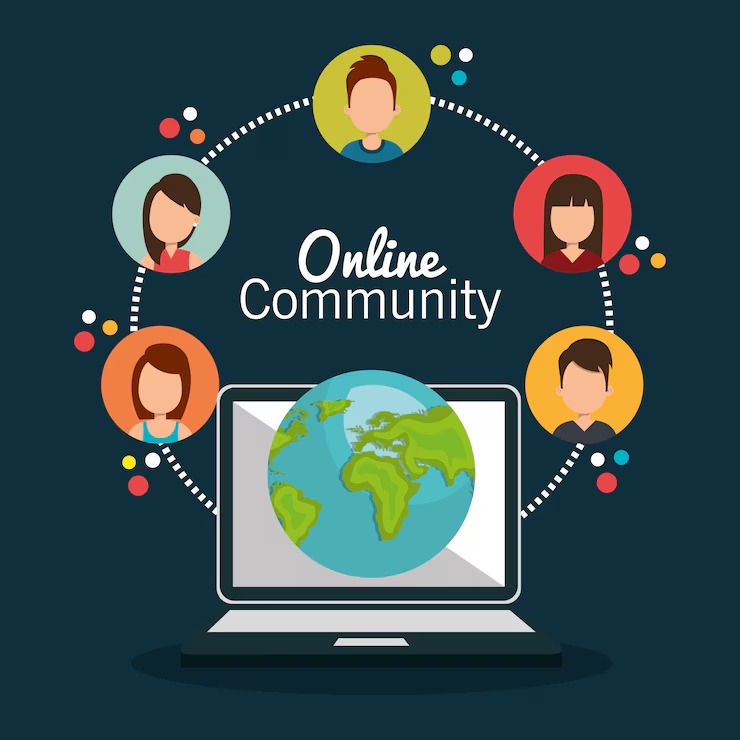
Online communities are digital spaces where professionals with the same career goals or interests connect in one place. These communities are not just for chatting or sharing posts; they are created for learning, networking, and professional growth.
For job seekers, online communities work like a virtual workplace where you can directly interact with industry professionals, hiring managers, recruiters, and experienced professionals. Here, people share their experiences, clear doubts, recommend resources, and sometimes post job openings as well.
Online communities exist in various forms, such as LinkedIn groups where industry discussions happen; Slack and Discord channels where you get daily conversations and job alerts; Reddit forums where you receive honest career advice; and Facebook groups that focus on specific roles or locations.
The most important thing to remember is that effective online communities become strong through engagement and trust, not by the number of members. People who participate actively, ask thoughtful questions, give helpful answers, and add value gain recognition and opportunities over time, including job referrals.
Why Online Communities Matter for Job Referrals?
In today’s job market, referrals have become a necessity. Recruiters and companies give more preference to candidates who are recommended by a trusted employee or professional. Online communities provide a platform to build this trust.
Firstly, online communities give you direct access. When you are active in a community, people see you as a real person, not just a resume—someone who can share knowledge and genuinely contribute to discussions. This visibility naturally increases your chances of getting a referral.
Another important reason is that many jobs are not posted publicly. Companies often fill roles through internal referrals. If you are part of a community, you get early access to these hidden opportunities.
Online communities make job referrals relational instead of transactional. You don’t look like a candidate who is just asking for a referral; instead, you become an engaged community member. That’s why online communities are very important for long-term career growth.
How to Use Online Communities for Job Referrals?
1. Choosing the Right Community for Your Career Goals
Using online communities effectively for job referrals starts with choosing the right community. Every community is not useful for everyone. Firstly, you need to define your career goals clearly—such as which industry you want to work in, which role you are preparing for, and whether you are a beginner or an experienced professional. If you are interested in fields like content writing, marketing, or tech, then join their niche communities.
While choosing a community, it is important to understand whether people are actively interacting with each other or not. If discussions are regular, people ask questions, and members provide answers, then that community is valuable for referrals.
2. How to Introduce Yourself Without Sounding Promotional
Many job seekers make mistakes in this area. They share their resume or portfolio immediately after joining a community. Doing this makes you look like a needy or desperate candidate. An effective introduction means telling about yourself without asking for anything. Keep your introduction simple and authentic, where you can mention your current status, learning goals, and interests.
For example, you can share which skills you are developing or what you want to learn from the community instead of just saying, “I am looking for a job.” When you show a learning mindset, people naturally want to connect with you.
3. Building Visibility Through Consistent Participation
In online communities, you do not get referrals in one day. It is the result of consistent participation. When you regularly participate in discussions, give thoughtful answers to others’ questions, and share useful insights, people start noticing you.
If you comment on a post with something like “nice post,” your comment gets ignored easily. But when you share your experiences, examples, or practical suggestions, people see you as a valuable contributor.
4. Creating Value Before Asking for a Referral
Asking for a referral in online communities is effective only when you first create value. Referrals are a trust-based action; that’s why, before asking for a referral, it is important that people know you as a reliable and helpful community member.
Creating value doesn’t mean you always have to share expert-level knowledge. You can add value through simple actions as well, such as sharing a useful article or resource, clearing a beginner’s doubt, or adding a practical perspective to a discussion. When you help without any expectation, people notice you and genuinely appreciate your efforts.
In this process, the most important thing is having a “give first” mindset. If you are active only when you need a referral, people can easily understand your intent. But when you contribute regularly, celebrate others’ wins, and engage genuinely, you become a trusted part of the community.
How to Ask for a Referral the Right Way?
Asking for a referral is a sensitive step because it is directly linked to another person’s professional credibility. That’s why it is very important to understand the right timing. When you have been active in an online community for a long time, consistently contributing to discussions, and people have started recognizing you, asking for a referral feels natural.
At the time of approaching for a referral, personalization is very important. Generic messages like “Please refer me” or “Any referral available?” do not look professional. Instead, you can start the conversation with context, such as referencing a specific job post or showing appreciation for someone’s role or company.
Another important point is not to present a referral as an obligation. You can politely clarify that they should refer you only if they are comfortable, making it clear there is no pressure, while maintaining professionalism.
After receiving a referral, follow-up and gratitude are equally important. If you get a referral, make sure to send a thank-you message. Even if you do not get a referral, respond politely and close the conversation respectfully. Your reputation is a long-term asset in online communities.
Common Mistakes to Avoid in Online Communities
Asking for referrals immediately
The biggest mistake is asking for a referral immediately after joining online communities. This makes it feel like you are only focused on your own benefits and not interested in becoming a real part of the community. Referrals are based on trust, and trust is not built in one day. That’s why it is important to first engage, add value, and build relationships.
Sending generic DMs
Another mistake is sending copy-paste messages like, “Hi, I am looking for a job. Please refer me.” Such generic DMs clearly show that you haven’t researched the person’s profile, role, or company. In online communities, personalization is a sign of professionalism. When you write messages with proper context and relevance, people take you more seriously.
Being inactive after joining
Staying silent in a community is also a mistake. If you don’t participate in discussions, don’t comment, or don’t help others, people don’t notice you, and building trust with active members becomes difficult. You get the real benefit of a community only when you are visible and engaged.
Only showing up when you need help
Being active only when you need a referral, advice, or support is another common mistake. People can easily identify this behavior. It makes you look transactional rather than relational. Strong communities work on a give-and-take mindset. When you help others without expectations, people are more willing to help you in return.
Ignoring community rules
Every online community has its own rules and guidelines, such as limits on self-promotion, posting formats, or off-topic restrictions. Ignoring these rules can create a negative impression and may even get you removed from the community. Following community rules shows professionalism and respect, which are essential for long-term networking and referrals.
To know the right strategies for building networking, read our another powerful guide.
Conclusion
Online communities have become one of the most powerful tools for securing job referrals in today’s competitive job market. However, their true value lies not in how quickly you ask for referrals, but in how genuinely you engage with people. By choosing the right communities, introducing yourself thoughtfully, participating consistently, and creating value before asking for help, you position yourself as a trusted and reliable professional.
Referrals are built on relationships, not transactions. When you focus on learning, contributing, and supporting others within a community, opportunities arise naturally. Avoid common mistakes such as sending generic messages or being inactive, and instead aim to build long-term connections. Over time, online communities can transform from simple networking spaces into career-building ecosystems that support both your immediate job goals and long-term professional growth.
Want to read more such articles? Visit here.




Leave a Reply