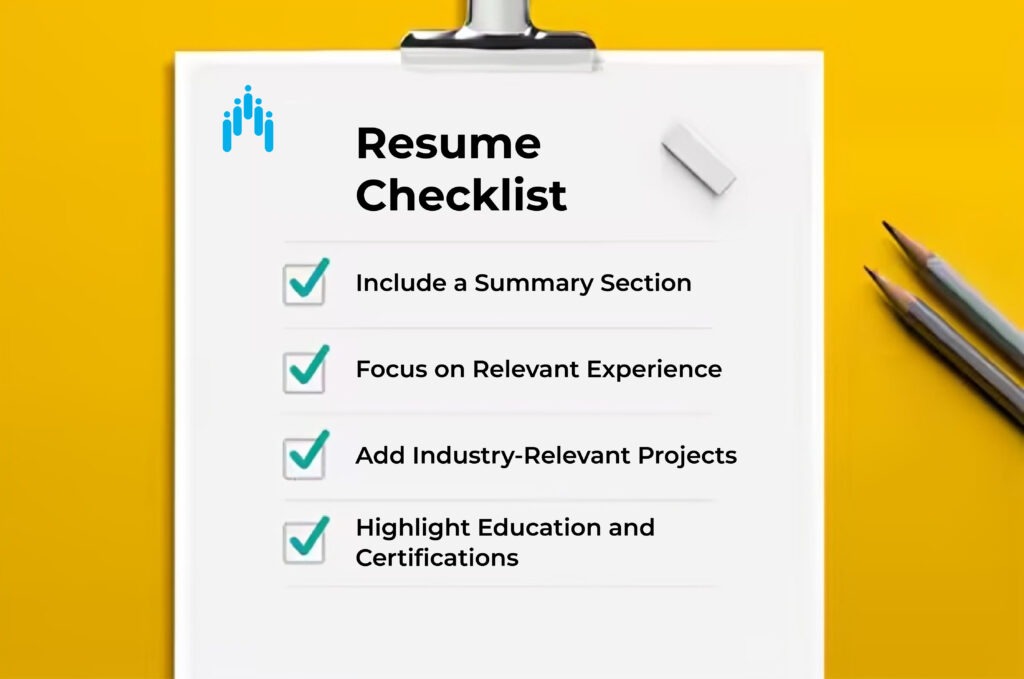
Introduction
Resume shortlisting is one of the most important steps in the hiring process. Before interviews, tests, or final selection, recruiters first decide which resumes deserve attention and which ones do not. Many candidates think resume selection is random or based only on luck. But in reality, there is a clear science behind resume shortlisting.
Recruiters follow psychology, data patterns, time limits, and structured criteria while scanning resumes. They do not read resumes like books. Instead, they scan, filter, compare, and judge within seconds. Understanding this science can help job seekers design resumes that actually get shortlisted.
In this article, we will understand how resume shortlisting works, what recruiters look for, and how small details influence selection decisions.
1. Why Resume Shortlisting Exists
Recruiters receive hundreds or sometimes thousands of resumes for one job role. It is impossible to read every resume in detail. Resume shortlisting helps recruiters reduce the number of candidates to a manageable size.
The main goals of resume shortlisting are:
- Save time
- Identify relevant candidates quickly
- Reduce hiring cost
- Improve quality of interviews
Because of this pressure, recruiters depend on fast decision-making methods and tools.
2. The 6–10 Second Rule of Resume Shortlisting
Research shows that recruiters spend only 6 to 10 seconds on one resume during the first screening. In these few seconds, they decide whether to keep or reject the resume.
In this short time, recruiters usually check:
- Job title and experience
- Skills section
- Company names
- Education
- Overall layout
This means your resume must communicate value immediately. Long paragraphs, unclear formatting, and unnecessary information reduce your chances.
3. The Psychology of First Impression
Resume shortlisting is highly influenced by first impression psychology.
Just like humans judge people quickly, recruiters judge resumes quickly. Clean layout, clear headings, and professional structure create a positive mental response.
Poor formatting creates cognitive load, meaning the brain needs extra effort to understand information. Recruiters naturally avoid such resumes.
Simple design creates trust and comfort.
4. Role of Applicant Tracking Systems (ATS)
Most companies use Applicant Tracking Systems (ATS) to shortlist resumes automatically.
ATS scans resumes before a human sees them.
ATS looks for:
- Keywords from the job description
- Relevant skills
- Job titles
- Years of experience
- Education level
If your resume does not match the keywords, it may never reach a recruiter.
This is not bias, but automation science. ATS helps companies manage high volume hiring.
5. Keyword Matching Science of Resume Shortlisting
Keywords are the backbone of resume shortlisting.
Recruiters and ATS search for exact or similar words mentioned in the job description.
For example:
- If the job mentions “content marketing,” but your resume says “digital writing,” ATS may not match it.
- If the role needs “Python,” writing “basic coding” is not enough.
Using correct keywords increases match score.
This is why customizing resumes for each job is important.
6. Cognitive Bias in Resume Screening
Recruiters are humans, and humans have biases. Even professional recruiters are influenced by cognitive shortcuts.
Common biases include:
- Brand bias (famous companies get attention)
- Education bias (top colleges preferred)
- Experience bias (continuous work history preferred)
This does not mean recruiters are unfair, but the brain naturally looks for familiar patterns.
Understanding this helps candidates position their information strategically.
7. The F-Shaped Reading Pattern
Eye-tracking studies show recruiters scan resumes in an F-shaped pattern.
They focus on:
- Top section
- Left side
- Headings and bullet points
This is why the top half of your resume is very important.
Key skills, job titles, and achievements should appear early.
8. Importance of Job Titles in Resume Shortlisting
Job titles act as mental shortcuts for recruiters.
If your job title closely matches the role you are applying for, your resume feels more relevant.
For example:
- “Content Writer” matches better than “Creative Executive”
- “Data Analyst” matches better than “Operations Associate”
Even if your work is similar, unclear titles reduce shortlisting chances.
9. Achievement-Based Evaluation
Recruiters prefer results, not responsibilities.
Compare these two statements:
- “Handled social media accounts”
- “Increased social media engagement by 40% in 6 months”
The second one activates analytical thinking and builds credibility.
Numbers make resumes scientific, measurable, and trustworthy.
10. The Role of Consistency in Resume Shortlisting
Consistency in resume structure, dates, fonts, and language increases trust.
Inconsistent information creates doubt:
- Different job titles for same role
- Gaps without explanation
- Changing tone and style
The brain interprets inconsistency as risk.
11. Skill Relevance Over Skill Quantity
Many candidates list too many skills, thinking it increases chances. But recruiters prefer relevant skills, not long lists.
A resume with 8–10 relevant skills is stronger than one with 25 random skills.
Skill overload reduces clarity and focus.
12. Education Filtering Logic in Resume Shortlisting
Education is often used as a filter, not a final decision factor.
For entry-level roles, education matters more.
For senior roles, experience matters more.
Recruiters check:
- Degree relevance
- Institution credibility
- Completion status
Education placed correctly supports your profile but should not dominate it.
13. The Science of Resume Length
Resume length affects attention.
General rules:
- Freshers: 1 page
- 1–10 years experience: 1–2 pages
- Senior professionals: 2 pages
Long resumes reduce focus and scanning speed.
Short resumes with high value information perform better.
14. Emotional Signals in Resume Language
Resume language sends emotional signals.
Words like:
- “Led”
- “Built”
- “Improved”
- “Delivered”
Create confidence and ownership.
Weak words like:
- “Helped”
- “Worked on”
- “Assisted”
Reduce perceived impact.
Strong action verbs influence recruiter perception positively.
15. Gaps and Continuity Perception
Career gaps are not automatic rejection reasons, but unexplained gaps raise questions.
Recruiters look for:
- Learning during gaps
- Freelancing or projects
- Certifications
- Clear explanation
Transparency builds trust.
16. Customization and Relevance Science
Customized resumes perform better than generic resumes.
Why?
Because relevance reduces decision fatigue.
When recruiters see clear alignment, they shortlist faster.
Customization shows effort, seriousness, and clarity.
17. Visual Simplicity and Readability in Resume Shortlisting
Resume readability is critical.
Best practices include:
- Clear headings
- Bullet points
- White space
- Simple fonts
Complex design distracts from content.
Readable resumes reduce cognitive effort and increase selection probability.
18. Role of Soft Skills Signals
Soft skills are difficult to measure but still important.
Recruiters look for signals like:
- Leadership roles
- Team projects
- Volunteer work
- Cross-functional experience
These signals indicate collaboration and adaptability.
19. Resume as a Predictive Tool
Recruiters use resumes to predict:
- Job performance
- Learning ability
- Stability
- Cultural fit
This prediction is based on patterns, not certainty.
The resume acts as a probability indicator, not proof.
20. Why Good Resumes Still Get Rejected
Even strong resumes get rejected because:
- Limited vacancies
- Overqualified candidates
- Internal hiring
- Stronger competition
Rejection is not always personal.
Understanding this reduces frustration and self-doubt.
21. The Role of Data and Metrics
Modern hiring uses data analytics.
Recruiters analyze:
- Resume-to-interview ratio
- Keyword match scores
- Time-to-hire data
This makes resume screening more structured and less emotional.
22. Importance of Honesty in Resume Shortlisting
False information can pass ATS but fails human review.
Recruiters verify:
- Experience
- Skills
- Certifications
Honesty builds long-term credibility.
23. The Future of Resume Shortlisting
Future resume screening may include:
- AI-based skill validation
- Video resumes
- Portfolio-based screening
- Project assessments
But clarity, relevance, and structure will always matter.
Conclusion
Resume shortlisting is not random. It is a mix of psychology, data, technology, and human judgment. Recruiters work under time pressure and rely on patterns, keywords, and clarity to make fast decisions.
Understanding the science behind resume shortlisting helps candidates design better resumes, avoid common mistakes, and improve selection chances. A good resume is not about writing more, but about writing smarter.
When your resume respects how the human brain and systems work, shortlisting becomes more predictable and achievable.
Read more such blogs here.




Leave a Reply