
Introduction
Hiring managers don’t only look for skills. They also look for people who can improve fast. That is why coachability has become one of the most valuable traits in modern hiring. Even if a candidate is not perfect today, a coachable candidate can become a top performer quickly.
So, what does coachability actually look like? More importantly, how candidates signal coachability in interviews, resumes, and real conversations can decide whether they get hired.
Coachability is not about saying “I’m open to feedback.” It is about proving it through behavior. In this blog, you will learn the strongest signs recruiters notice and how you can demonstrate them naturally.
Coachability means growth without ego
Coachability is the ability to learn, adjust, and improve when someone guides you. It includes feedback acceptance, self-awareness, and consistency. It also includes humility, because learning requires openness.
A coachable candidate does not act defensive. Instead, they stay curious. They ask questions. They also take responsibility when things go wrong.
That mindset matters because every job has a learning curve. Tools change. Expectations shift. Teams evolve. Therefore, companies prefer candidates who can adapt without resistance.
This is a major reason how candidates signal coachability has become a key hiring filter.
They respond to feedback with calm confidence
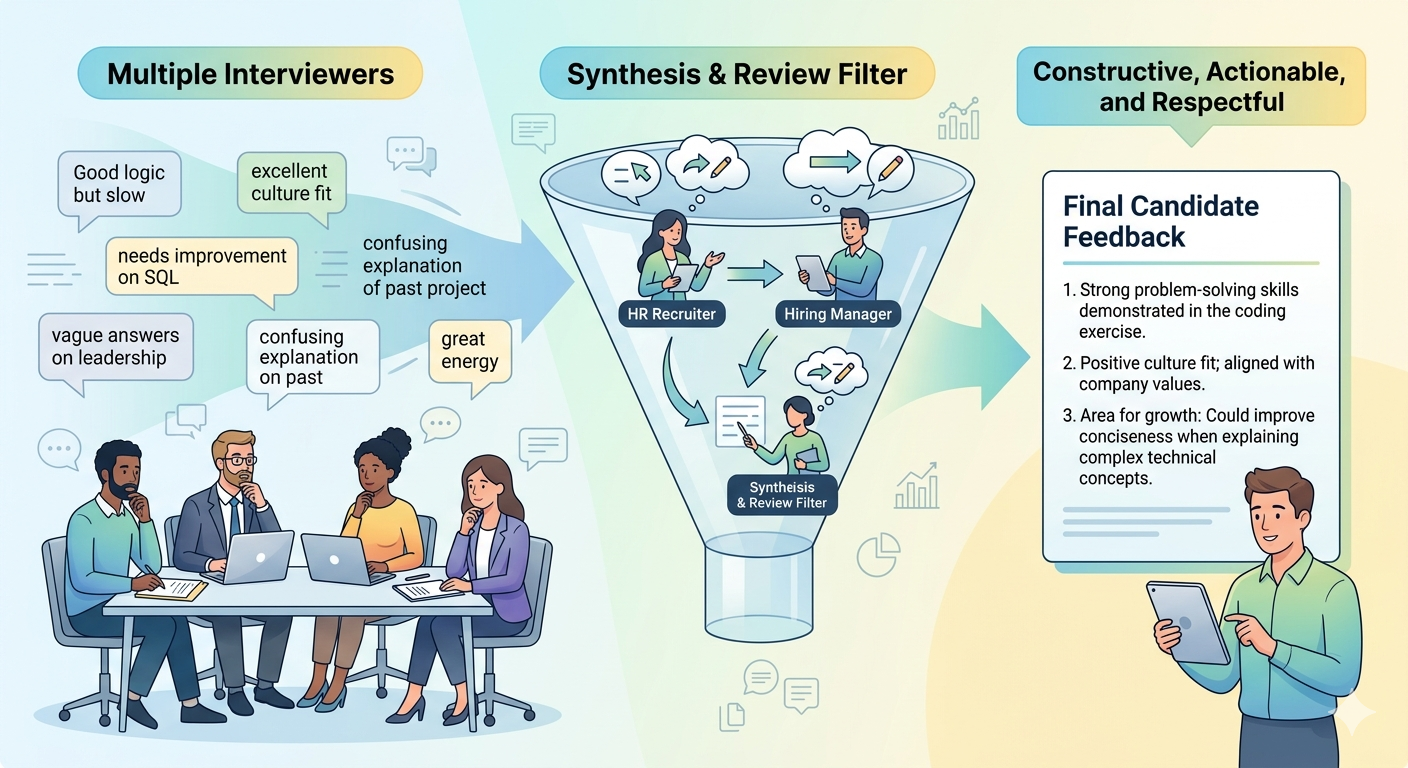
One of the clearest signals of coachability is how a candidate reacts when corrected. Hiring managers often test this directly or indirectly.
A coachable candidate stays respectful and calm. They don’t argue just to prove a point. Instead, they listen and respond thoughtfully.
For example, if an interviewer challenges an answer, a coachable candidate might say:
“I understand your point. I’d like to improve that approach.”
This shows maturity. It also shows emotional control.
Meanwhile, a non-coachable candidate may interrupt, justify too much, or blame others. That creates doubt, even if they have strong skills.
They use learning language instead of perfection language
The words candidates choose reveal their mindset. Coachable candidates talk about growth. They don’t act like they already know everything.
You will often hear them say things like:
- “I learned that…”
- “I improved by…”
- “I would do it differently next time…”
- “I’m currently working on…”
- “I asked for feedback and adjusted…”
This language sounds real and grounded. It also signals they are actively developing.
That is exactly how candidates signal coachability without trying too hard.
Perfection language sounds different. It includes lines like “I never fail” or “I always handle everything alone.” Those statements often feel unrealistic.
They take ownership instead of blaming the team
Coachability and accountability go together. If a candidate blames others, they appear difficult to manage. However, when they take ownership, they appear trustworthy.
A coachable candidate can explain mistakes without drama. They also focus on solutions.
For example:
“I missed the deadline because I underestimated the workload. After that, I started planning weekly milestones.”
This is a strong answer. It shows reflection and improvement.
Hiring managers love this because it reduces risk. They want employees who can fix problems, not create excuses.
They ask smart questions that show curiosity
Curiosity is a strong coachability signal. Candidates who ask thoughtful questions show they want to learn and contribute.
They don’t only ask about salary or holidays. They ask about goals, expectations, and team processes.
Strong coachability questions include:
- “What does success look like in the first month?”
- “What skills would you like the new hire to improve quickly?”
- “How does the team handle feedback and performance reviews?”
- “What are the biggest challenges in this role right now?”
These questions show a learning mindset. They also show maturity.
Therefore, how candidates signal coachability often comes down to the quality of their questions.
They can explain improvement with real examples
Saying “I’m coachable” is easy. Proving it is what matters.
Coachable candidates share real stories. They explain what feedback they received and how they applied it. They also mention what changed afterward.
For example:
“My manager told me my reports were too detailed. So, I started summarizing insights first. That improved clarity.”
This sounds believable. It also shows the candidate can implement coaching quickly.
Even better, they can explain what they learned from failure. That shows resilience, not weakness.
They show consistency between resume and interview
Coachability also shows in honesty. Candidates who exaggerate their skills often struggle when questioned. That creates doubt about their reliability.
A coachable candidate stays consistent. They describe their skills accurately. They also admit what they are still learning.
For example:
“I have worked with Excel for reporting. I’m now learning advanced formulas.”
That answer sounds confident and realistic.
This is another important part of how candidates signal coachability. It shows they are easy to train because they understand their own level.
They accept direction and still stay proactive
Some people think coachable means passive. That is not true. The best candidates accept guidance and still take initiative.
A coachable candidate might say:
“I followed the process, but I also suggested a small improvement.”
This shows balance. They respect structure, but they also think independently.
Hiring managers want this because it leads to long-term growth. A proactive learner becomes a future leader.
So, coachability is not about being silent. It is about being flexible while staying productive.
Conclusion: coachability is a hiring advantage you can demonstrate
Coachability is one of the fastest ways to stand out in competitive hiring. Skills can be taught, but mindset is harder to change. That is why companies value candidates who learn quickly, accept feedback, and improve consistently.
Now you know how candidates signal coachability through their language, behavior, examples, and attitude. The best part is this skill is fully in your control. You can build it, show it, and strengthen it with practice.
If you want to land better opportunities, focus on learning and communication. Then apply through the best job tool to find roles that match your growth mindset.
Find Your Dream Job Today – Explore Endless Career Opportunities and Secure Your Next Role with Best Job Tool.




Leave a Reply