
Introduction
Uncertainty is a natural part of every job search. No matter how skilled or confident someone is, everyone goes through moments of doubt. The hiring process is unpredictable — sometimes companies take weeks to reply, roles get closed suddenly, or you may get interviews for positions you weren’t expecting. This confusion doesn’t mean something is wrong with you; it simply means you are in a transition phase.
Almost every job seeker, whether fresher or experienced, faces rejections and long waiting periods. These delays are not a judgment of your talent — they are just part of the process. Even the most successful professionals have faced multiple “no’s” before getting one “yes.” It’s normal to feel unsure, but it is also a sign that you are moving forward.
Uncertainty does not mean failure. It means you are growing, learning, and preparing for a better opportunity. When you accept uncertainty instead of fighting it, you start handling the job search with more confidence and patience. Each step, even the confusing ones, brings you closer to clarity and your next career move.
How to Manage Uncertainty Productively?
1. Not Taking Rejections Personally
If you face any rejection, don’t take it personally. Try to stay positive and take it as feedback to learn and become stronger.
Rejection makes you stronger and more perfect. When you face rejection with a positive mindset, you’ll realize that you need to improve yourself so that you don’t face rejection the next time.
2. Stay Mentally Strong During Career Uncertainty
Staying positive during career uncertainty can be challenging, but it’s essential for keeping motivation high. One effective strategy is positive self-talk — remind yourself of your skills, achievements, and past successes. Using affirmations daily, such as “I am capable of finding the right job for me,” can reinforce self-confidence and resilience.
Journaling or practicing gratitude can also help manage rejection. Writing down small wins, lessons learned, or things you are thankful for shifts your focus from setbacks to progress.
Finally, avoid comparing yourself to others. Everyone’s career journey is unique, and measuring yourself against someone else’s timeline can lead to unnecessary stress. Focus on your growth and the steps you are taking to reach your goals.
3. Avoid Overthinking and “What If” Thoughts
During a job hunt, your mind easily slips into “What if I don’t get a job?” or “What if I’m not good enough?” These thoughts create stress, not solutions. The first step is to identify when you are overthinking. Notice moments when you keep repeating the same fear, imagining the worst outcome, or comparing yourself with others. These are signs that your mind is focusing on problems, not possibilities.
A simple habit that helps is keeping a short daily journal. Write down what you achieved today — even if it’s just updating your resume or sending one application. Also write one positive thought for tomorrow. This practice clears your mind, reduces stress, and reminds you that you are making progress every single day.
4. Developing a Personal Brand
Personal brand is presenting ourselves in a unique professional identity. It is a combination of our skills, achievements, and experience that separates you from other candidates. Basically, whenever anyone hears your name, in their minds, your image should be clear and positive. This is the goal of personal branding for career growth.
Personal branding is important for career growth because;
- It helps you to get job opportunities quickly.
- Recruiters and employers can easily recognize your skills and expertise.
- It benefits you in networking.
- You can become a thought leader in your field Personal branding increases the chance of getting the best opportunities.
5. Building a Daily Routine to Reduce Uncertainty Anxiety
Having no routine, can become a disadvantage. If you work at irregular times or till late at night, then there will be a negative impact on both your health and your motivation.
- Make a fixed routine, like fixing a particular time for sending applications, learning, and self-care.
- Set a start and end time like an office.
- Follow them strictly, do not show any laziness in your routine.
The mind gets clarity of when you are going to work and when you are relaxing through routine. This discipline motivates you highly in the long term and increases productivity. It also helps to maintain a healthy work-life balance and helps to avoid overworking and burnout.
6. Celebrating Small Wins
You should appreciate your effort whether it is small or big.
- Become a reward system for yourself.
- You can prepare a coffee treat for yourself after completing a big task.
- You can also enjoy your favourite snack or watch an episode of your favourite show to appreciate yourself.
- Not only for big efforts, you should also appreciate yourself for small achievements. You can pat your back after a small achievement to feel good.
These self-rewards encourage you psychologically and motivation gets long-term sustainability from self-appreciation, and you don’t feel your work is boring or forced.
7. Use the Visualization Technique to Overcome Job Uncertainty
Athletes use visualization, the image of their winning game. Like this, you can also visualize that you are cracking your interview. This technique helps you build your confidence.
Say positive affirmations in front of a mirror for 5 minutes daily. You can say “I am confident, I am skilled, and I will get my dream job.” This small habit trains the subconscious mind.
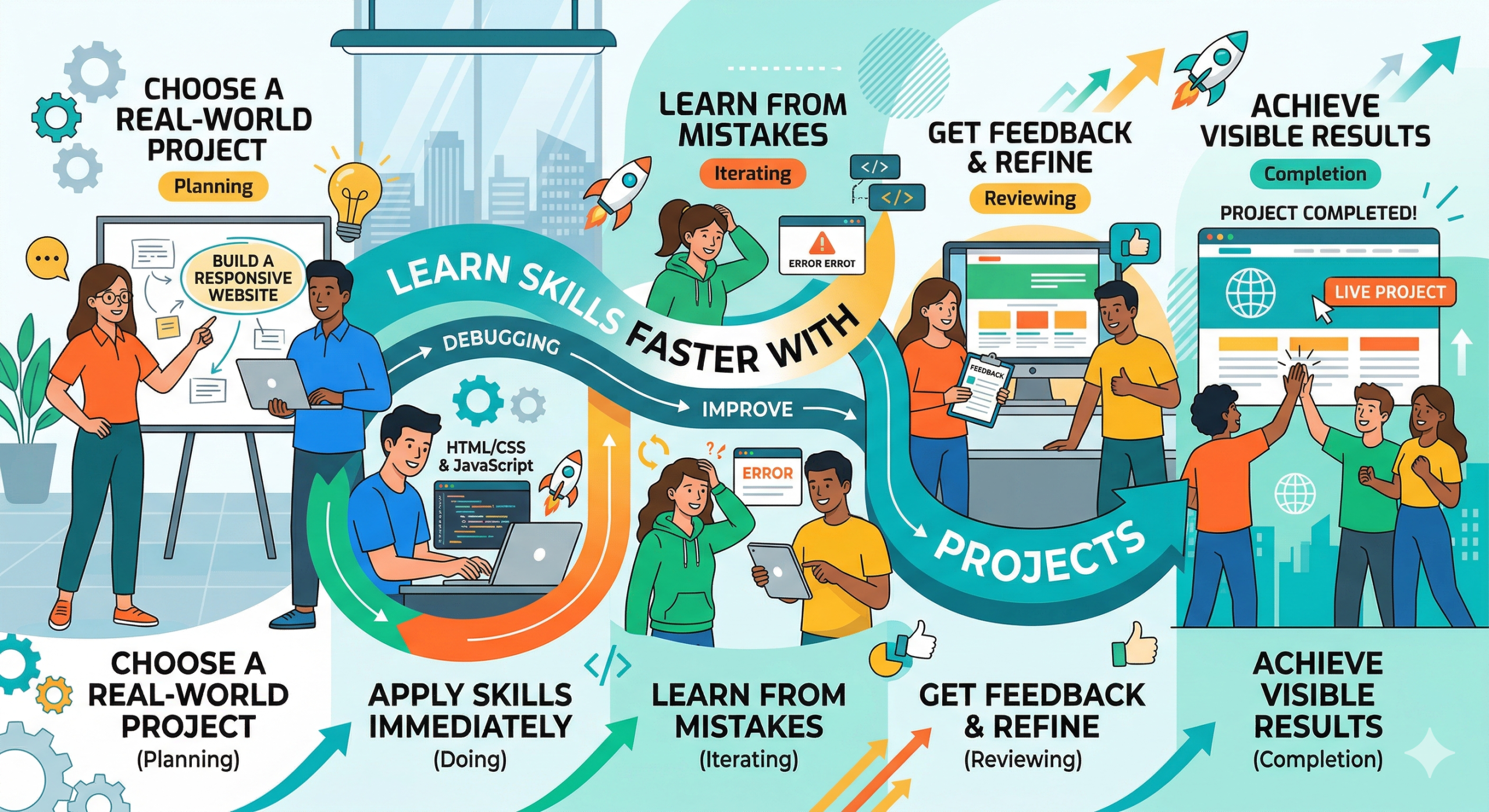
8. Improving Skills During Uncertain Phases
A recruiter always finds candidates who keep updating their skills. You can identify your skill gap with the use of job tools. For example, if there is a demand for Google Analytics and we can design a job description, and you don’t have their skills, then you can learn those skills for free or at a low cost on platforms like Coursera, Udemy, and LinkedIn. This hack makes you relevant and job-ready. From this, you can show the employer that you are proactive and you can evolve yourself according to the market.
Conclusion
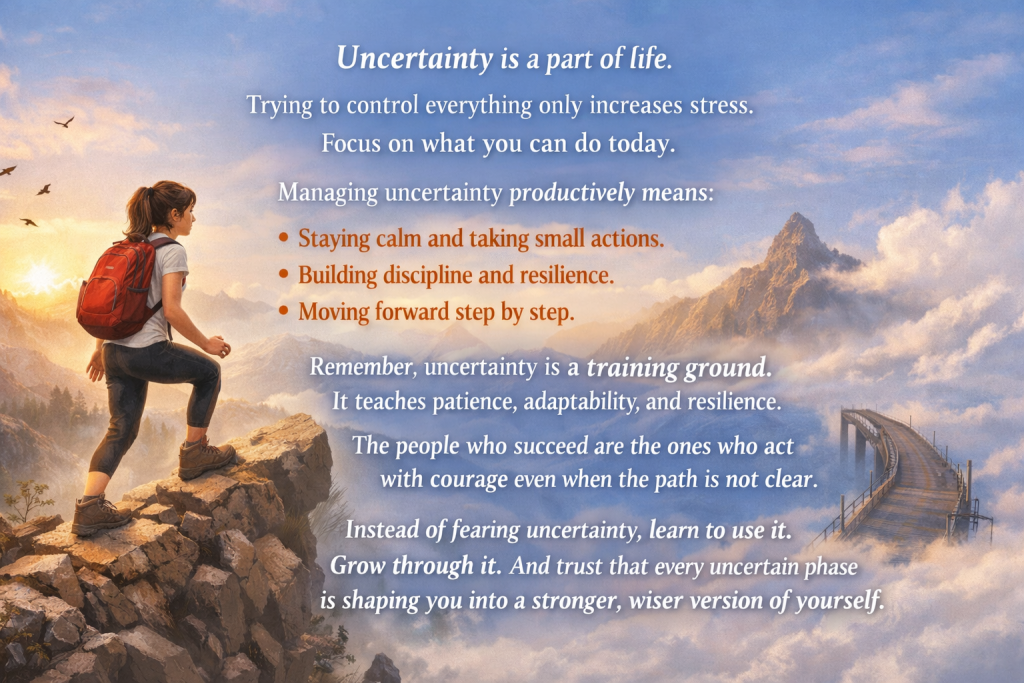
Uncertainty is a part of life. No one can predict the future completely. Trying to control everything only increases stress and fear. Instead of worrying about what might happen, it is better to focus on what you can do today.
Managing uncertainty productively means staying calm, taking small actions, and improving yourself even when the outcome is unclear. It means building discipline, strengthening your mindset, and continuing to move forward step by step. You may not control the situation, but you can always control your response.
To explore such blogs, visit here.





Leave a Reply