Introduction
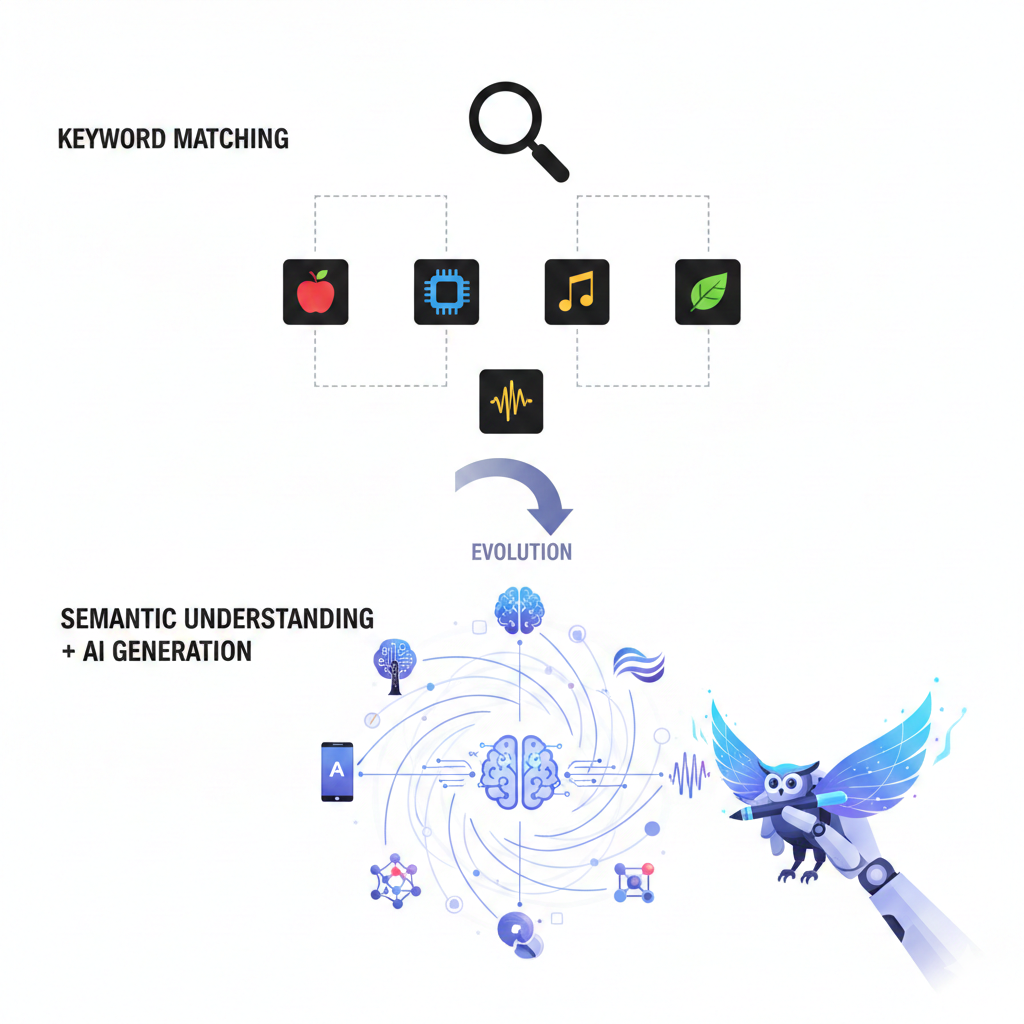
Many job seekers believe that adding the right keywords to their resume guarantees shortlisting. While keyword optimization does help in passing initial filters, it is far from the final deciding factor. Recruiters and hiring systems use keywords as a screening tool, not as a complete evaluation method. That is exactly why keyword matching is only a starting point in modern hiring processes.
A resume filled with keywords may pass automated scans, but human evaluation focuses on relevance, clarity, and real impact. Understanding this distinction helps candidates avoid over-optimization and focus on meaningful positioning.
Keyword matching helps with initial visibility
Applicant Tracking Systems and recruiter searches rely heavily on keywords during the early screening stage. These systems scan resumes for job-related terms, skills, and role-specific phrases.
If your resume lacks relevant keywords, it may never appear in search results. This makes keyword alignment important for initial visibility. However, visibility alone does not guarantee shortlisting or selection.
It simply ensures your profile enters the review pipeline.
Recruiters evaluate context after keyword screening
Once a resume passes keyword filters, recruiters shift focus to context. They analyze how the keywords are used rather than just their presence.
For example, listing a skill without explaining its application reduces credibility. Recruiters want to see outcomes, responsibilities, and real usage, not just terminology.
This contextual review is a major reason why keyword matching is only a starting point in resume evaluation.
Relevance outweighs keyword quantity
Some candidates overload their resumes with keywords, assuming it improves ranking. In reality, excessive keyword stuffing can reduce clarity and professionalism.
Recruiters prefer resumes that demonstrate direct role relevance rather than broad keyword lists. A focused resume with fewer but well-supported keywords often performs better than one with generic optimization.
Quality of alignment matters more than quantity of keywords.
Human screening focuses on narrative clarity
After automated screening, human recruiters look for a coherent career story. They assess growth, role alignment, and consistency.
A resume that matches keywords but lacks a logical narrative may still be rejected. Recruiters want to understand how your experience connects to the role requirements.
This storytelling aspect goes beyond keyword matching.
Keywords cannot demonstrate impact
Keywords can signal skill familiarity, but they do not show results. Hiring decisions depend on impact, problem-solving, and measurable contributions.
For instance, mentioning “data analysis” is less persuasive than describing how analysis improved decision-making or efficiency.
Impact-driven content strengthens evaluation more than keyword presence alone.
Recruiters assess transferable skills and adaptability
Modern hiring emphasizes adaptability and transferable skills. These qualities are rarely captured through simple keyword matching.
Recruiters evaluate how candidates apply skills across different contexts. A keyword may indicate familiarity, but adaptability shows real potential.
This deeper assessment moves beyond automated filtering.
Job descriptions evolve beyond static keywords
Job descriptions often include keywords for clarity, but real job requirements evolve over time. Hiring managers look for candidates who can grow into roles, not just match static terms.
A candidate may lack certain keywords but still be shortlisted due to relevant experience and learning ability. This flexibility highlights why keyword matching is only a starting point in hiring decisions.
Communication and formatting influence recruiter perception
Even when keywords are present, poor formatting or unclear structure can reduce resume effectiveness. Recruiters need to scan resumes quickly and efficiently.
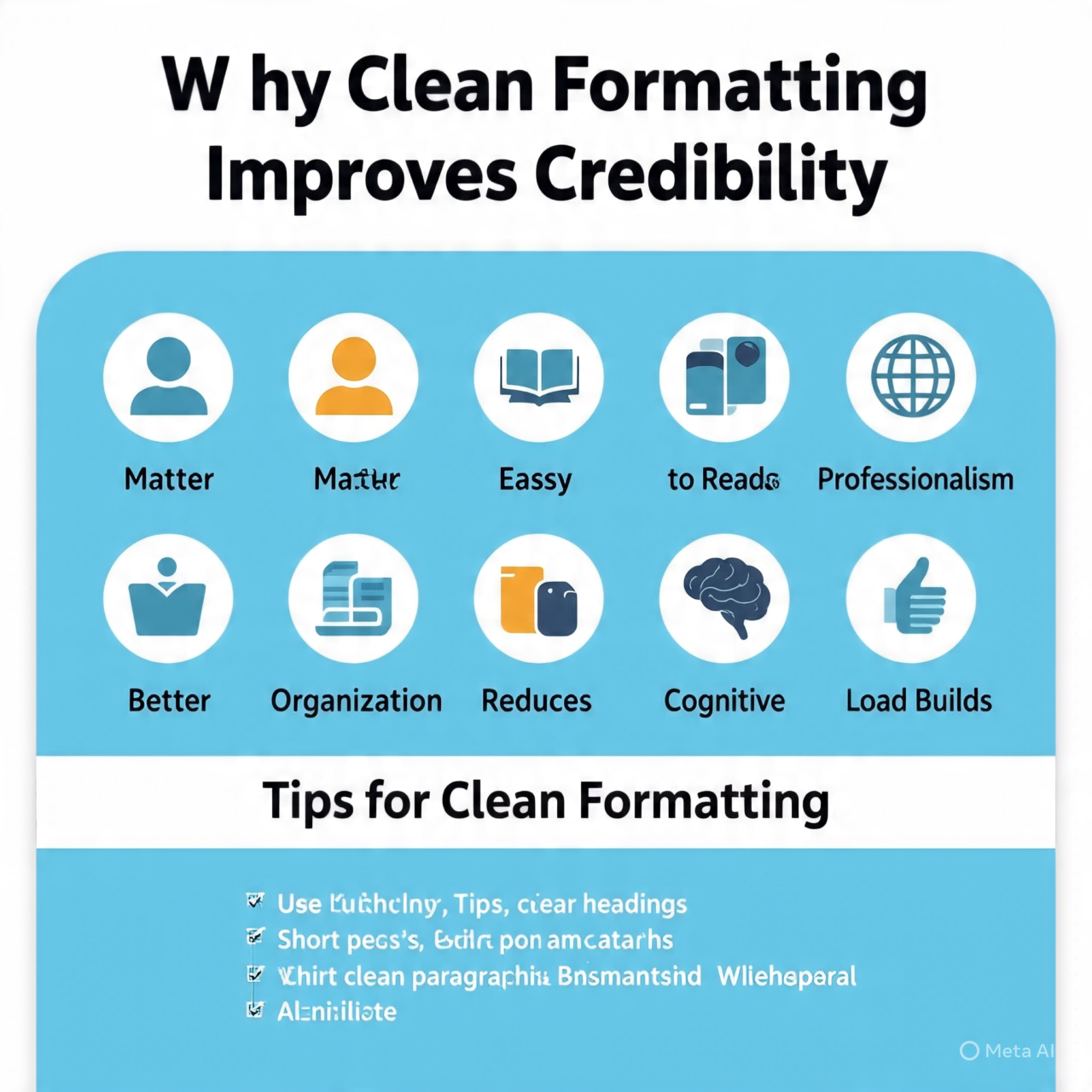
Clear headings, concise bullet points, and logical structure improve readability and perception. Keyword-rich resumes that lack structure may still be overlooked.
Presentation enhances keyword effectiveness.
Keyword matching cannot replace cultural and behavioral fit
Hiring decisions involve more than technical alignment. Recruiters evaluate communication style, professionalism, and cultural fit during later stages.
These factors cannot be captured through keyword matching. A technically aligned candidate may still be rejected if behavioral alignment is weak.
This holistic evaluation reduces reliance on keywords alone.
Over-optimization can reduce authenticity
Excessive keyword optimization can make resumes sound robotic or generic. Recruiters often notice when content feels artificially tailored.
Authentic and experience-driven language builds more trust than forced keyword repetition. Natural integration of keywords improves credibility and readability.
Balance is more effective than aggressive optimization.
Strategic keyword use improves but does not guarantee success
Keywords should be used strategically within meaningful descriptions of achievements and responsibilities. This approach ensures both ATS compatibility and human readability.
When keywords support real experience, they enhance visibility and evaluation quality simultaneously. However, they must be part of a broader resume strategy.
Conclusion
Keyword matching plays an important role in gaining initial visibility, but it does not determine final hiring outcomes. That is precisely why keyword matching is only a starting point in the recruitment process.
Once your resume passes initial filters, recruiters evaluate context, relevance, clarity, and real impact. Strong storytelling, measurable achievements, and role alignment matter far more than keyword density. Candidates who focus only on keywords may get seen, but candidates who demonstrate value get shortlisted.
To improve both visibility and real job alignment, use the best job tool to discover roles that match your skills, optimize your applications, and track opportunities more strategically.
Find Your Dream Job Today – Explore Endless Career Opportunities and Secure Your Next Role with Best Job Tool.

Leave a Reply