Introduction
A resume summary is usually written at the top of a resume. It is 3–5 lines that explain who you are, what you do, and what you want. Many job seekers believe a summary makes their resume strong and professional. But in reality, resume summaries often hurt profiles instead of helping them.
This does not mean summaries are always bad. In some cases, they work well. But in many cases, they reduce clarity, repeat information, and create a weak first impression.
In this article, we will understand why resume summaries often hurt profiles, when they become a problem, and what you can do instead.
Why Resume Summaries Often Hurt Profiles?
1. Most Resume Summaries Are Too Generic
One of the biggest problems is that summaries are very general.
Many resumes start like this:
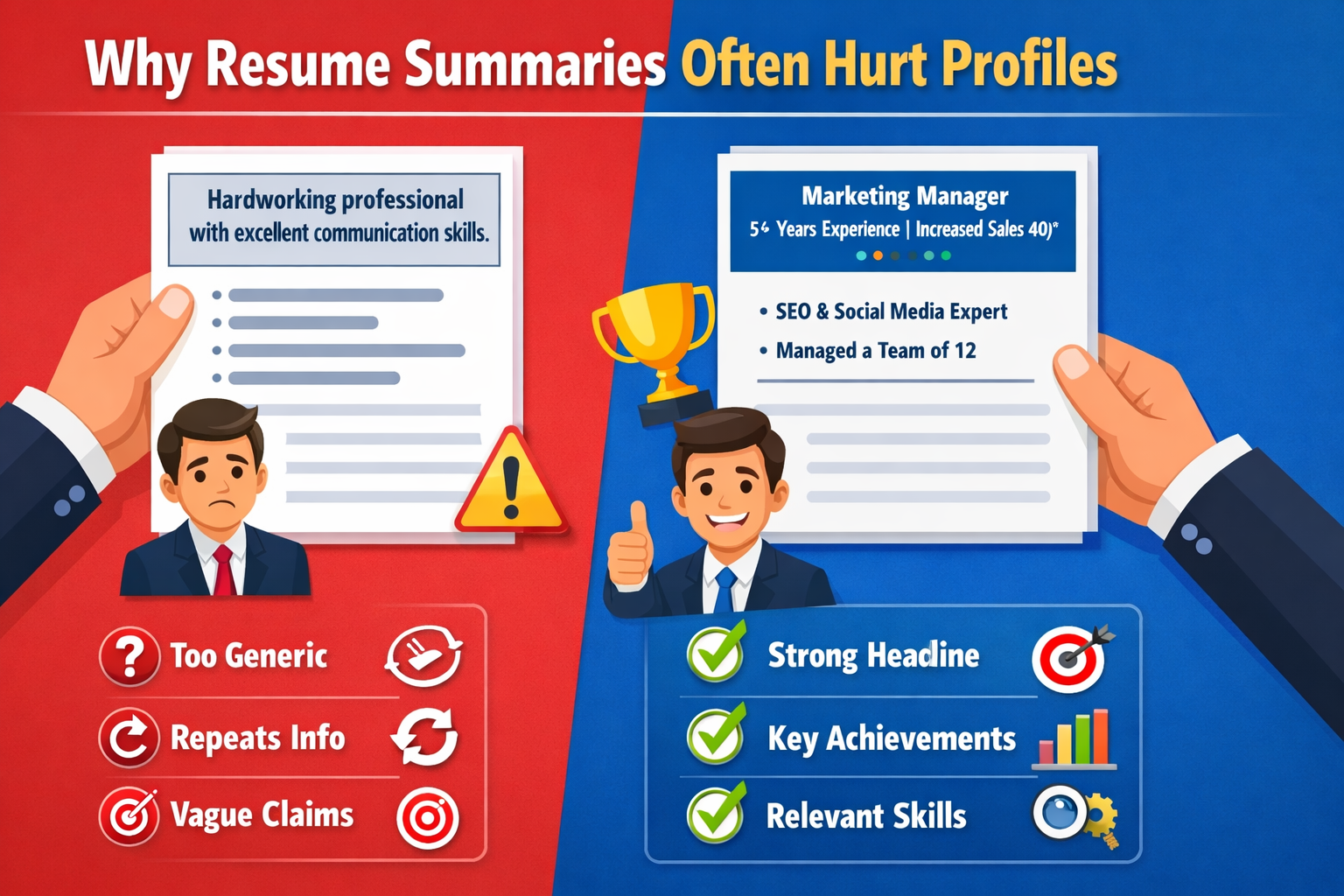
- “Hardworking and dedicated professional.”
- “Results-driven individual with strong communication skills.”
- “Motivated team player seeking growth opportunities.”
These lines sound impressive but say nothing specific. Recruiters read hundreds of resumes every week. When they see these common words again and again, they stop paying attention.
Generic summaries waste valuable space at the top of your resume. That space should show real value, not common adjectives.
2. Recruiters Spend Very Little Time on the Top Section
Recruiters often spend only 6–10 seconds on the first scan of a resume. In that short time, they look for:
- Job title match
- Relevant skills
- Years of experience
- Key achievements
If your summary is full of general statements, it delays important information. Instead of seeing your skills immediately, recruiters must read through soft sentences first.
This can reduce your chances of moving forward.
3. Resume Summaries Often Repeat the Resume
Another common issue is repetition.
For example, if your summary says:
“Digital marketing specialist with 5 years of experience in SEO and content strategy.”
And below, your work experience already shows 5 years of digital marketing and SEO projects, then the summary is simply repeating information.
Repetition does not add value. It only makes the resume longer and less sharp.
4. They Focus Too Much on Career Objectives
Some summaries are written like objectives:
“Looking for a challenging role where I can grow and contribute.”
But recruiters are not mainly concerned about what you want. They want to know what you can offer.
When summaries focus too much on personal goals, they shift attention away from employer needs.
A resume should answer this question:
How can you solve the company’s problem?
Not:
What are you looking for?
5. Resume Summaries Contain Vague Claims Without Proof
Resume summaries often include claims like:
- “Proven track record of success.”
- “Excellent leadership skills.”
- “Strong problem-solving ability.”
But there is no proof in the summary.
Claims without numbers or examples feel empty. If you say you improved performance, how much did you improve it? If you say you increased sales, by what percentage?
Without proof, the summary becomes just a list of promises.
6. They Can Create Mismatch Signals
Sometimes candidates try to impress recruiters by writing big titles in their summary.
For example:
“Strategic Business Leader and Visionary Thinker.”
But their experience shows junior-level roles.
This creates a mismatch. When the summary sounds bigger than the experience, recruiters may feel the candidate is exaggerating.
Consistency builds trust. Overstated summaries reduce trust.
7. They Reduce ATS Optimization
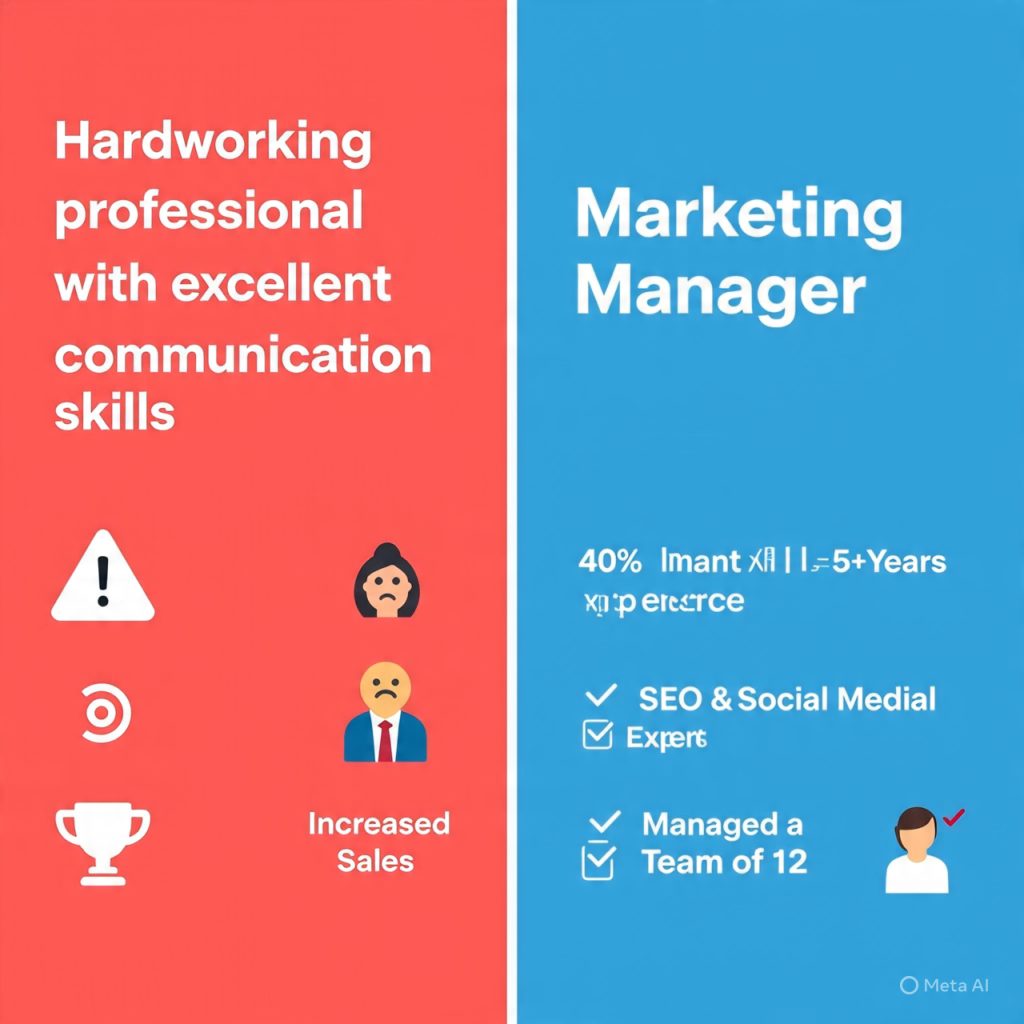
Many companies use Applicant Tracking Systems (ATS) to scan resumes. These systems look for keywords related to skills, tools, and job titles.
If your summary is filled with soft words instead of relevant keywords, it does not help your resume pass the ATS.
For example:
Instead of writing:
“Detail-oriented professional with passion for innovation.”
It is better to mention:
“Experience in Google Analytics, SEO, content marketing, and social media campaigns.”
Specific keywords increase visibility. Generic summaries do not.
8. They Make Freshers Look Inexperienced
For freshers, summaries can be risky.
When a fresher writes:
“Dynamic and ambitious graduate seeking opportunities to grow.”
It highlights lack of experience instead of strengths.
Instead of writing a summary, freshers can start with:
- Skills section
- Internships
- Academic projects
- Certifications
This gives more concrete information.
9. Resume Summaries Take Space That Could Show Achievements
Resume space is limited. Usually, one page is recommended for early and mid-career professionals.
If 4–5 lines are used for a weak summary, that space could instead show:
- One measurable achievement
- One strong project
- One key technical skill
Achievements create impact. General summaries reduce impact.
10. They Delay the Strongest Information
The top of your resume is the most important area. It is prime real estate.
If the first thing recruiters see is:
“Dedicated professional with strong work ethic.”
It does not create curiosity.
But if the first thing they see is:
“Content Writer | 3 Years Experience | Increased Website Traffic by 40%”
It immediately communicates value.
Strong, direct information works better than soft summaries.
11. They Often Sound Artificial
Many summaries are copied from the internet. Because of that, they sound unnatural.
Recruiters can easily recognize template-based language.
When resumes sound artificial, they feel less authentic. Employers prefer clarity and honesty over fancy language.
12. They Confuse Career Changers
Career changers often use summaries to explain transitions.
But sometimes the summary creates confusion instead of clarity.
For example:
“Experienced teacher transitioning into corporate training and leadership roles.”
If the resume does not clearly show relevant transferable skills, the summary alone cannot fix the gap.
In such cases, it is better to:
- Highlight transferable skills
- Add relevant certifications
- Show related projects
Action speaks louder than explanation.
13. They Can Create Negative First Impression
The first few lines create the first impression.
If the summary is weak, unclear, or exaggerated, it sets a negative tone.
Even if the rest of the resume is strong, the initial impact may already be reduced.
Recruiters form quick judgments. A poor summary can shape that judgment negatively.
Conclusion
Resume summaries often hurt profiles because they:
- Are generic
- Repeat information
- Focus on personal goals
- Lack proof
- Waste space
- Delay important details
However, when written clearly and strategically, they can help.
The key is understanding that the top of your resume must create impact immediately.
Instead of writing soft, general sentences, focus on:
- Strong headlines
- Clear skills
- Measurable achievements
Remember, your resume is your first impression. Do not let weak summaries reduce its power.
Clarity is stronger than decoration. Results are stronger than adjectives. And simplicity creates trust.
If your summary does not add value, it is better to remove it.
To explore more such blogs, visit the Best Job Tool.



Leave a Reply