Introduction
We have created a very helpful and informative article for professionals. As we all know, building a career is not a single step — it involves multiple stages, and we need to take each step carefully to build a successful professional journey. Many times, professionals make several career decisions driven by fear that harm their growth and leave them stuck, mainly because they lack proper guidance.
This article serves as a guide for everyone who is in the process of building their career.
How to Avoid Career Decisions Driven by Fear?
1. Seek Advice from Trusted Mentors for Career Decisions
Taking guidance or mentorship is very important for anyone who is starting their career or is already in the early stage of it. When someone is new, they often don’t understand which first step to take or how to work in the right way—and the first step is very important for building a strong career. That’s why taking guidance from someone who is already experienced and doing well in their field is extremely important.
However, many professionals ignore this, and later they regret not seeking guidance or mentorship earlier.
2. Accept Mistakes as Learning
Many professionals ignore feedback in their starting phase. When a boss or a senior gives some suggestions then people think that as criticism. But actually, constructive feedback is a shortcut to growth.
If you take feedback positively then you can identify your mistakes quickly and improve them. This habit makes you better in every role. People who accept their weaknesses and work on them become successful and confident in their careers.
Also having a mentor is very valuable. A mentor is a person who guides with their experience whether taking the right career decisions handling office politics or building self confidence. You can avoid those mistakes that can harm your career through their guidance.
That’s why you should not avoid feedback instead make it the tool for your improvement. Also, find a mentor in your professional circle which can give you honest advice.
3. Break Career Decisions into Small Steps
One very important thing to achieve anything is setting goals. Without goals, we cannot achieve anything. If we have a clear goal, we know what to do, why to do it, and how to do it. Because of this, we focus more on our work instead of feeling stressed.
But setting goals does not mean making irrelevant or unrealistic goals. You should break your big goals into smaller steps. This helps you complete tasks step by step and move closer to your career.
For example, if your goal is “I want a successful career,” it may increase your confusion and stress because you will not know how to achieve it or what exactly to do. But if you break it into small goals like updating your resume this week, applying to three jobs daily, or learning one new skill every month, your stress will be less. You will feel more clear and confident, and it will be easier to build a successful career.
4. Strengthen Skills Continuously
If you think that learning one skill is enough and you can work your whole life with that skill, achieve your goals, and build your career, then that is not correct. Learning one skill is a good thing, but over time, many skills become outdated. Because of this, you may fall behind in competition, which can increase career anxiety.
That is why you should try to learn a new skill regularly. If not every month, then at least every two or three months, upgrading your skills is very important for everyone. Today’s world is very competitive. If you cannot compete with others, it can increase your career anxiety.
5. Create a Career Plan
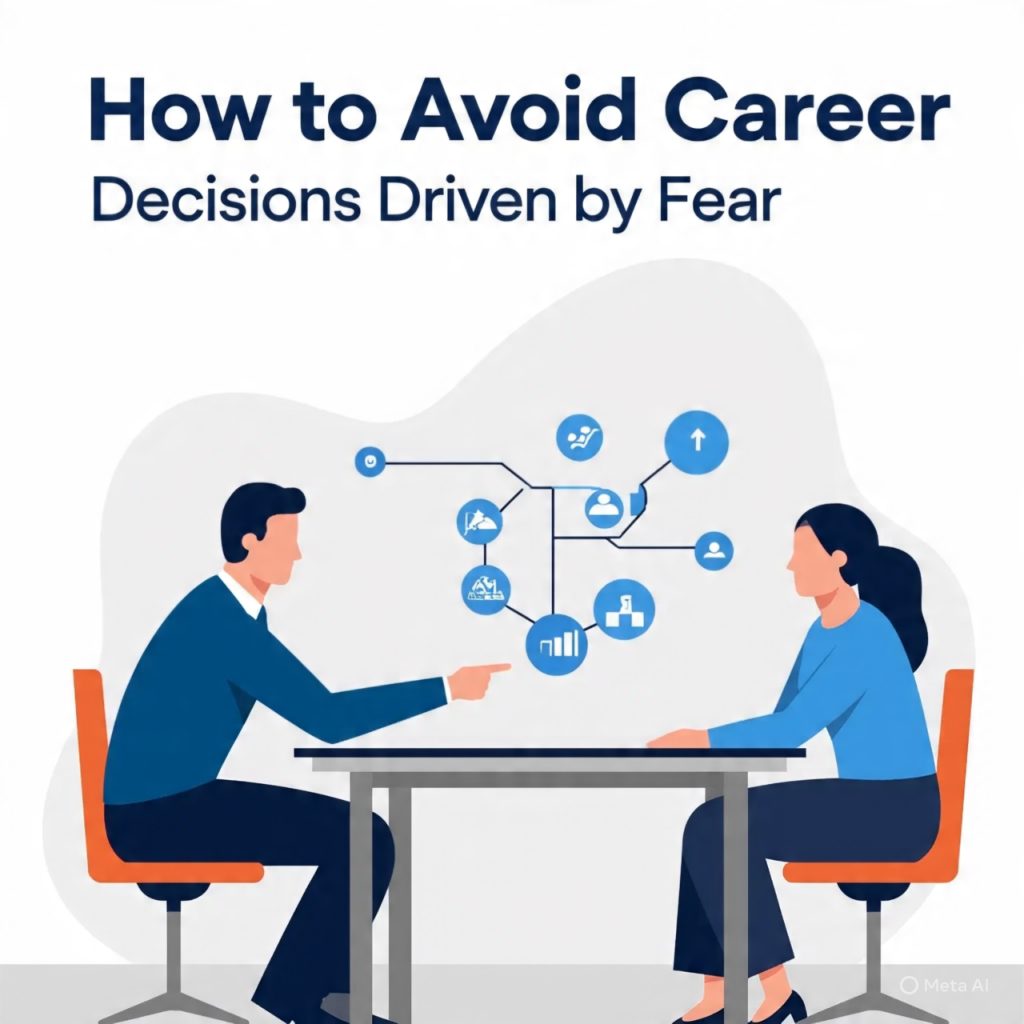
One of the most effective and simple ways to manage career anxiety is to make a career plan. If you create a plan from the beginning and follow it properly, you will clearly know which step to take and when to take it. If one step is completed, you will know what the next step should be.
You will understand how to achieve your goals and what exactly you want to achieve. When a person already has answers to these questions, they do not take too much stress. They only feel a small amount of stress, which is completely normal.
That is why making a plan is very important. It helps you manage career anxiety easily from the beginning.
6. Pause Before Deciding Career Decisions
Another mistake that professionals regret is selecting a career under family pressure or by copying someone else.
Many times, it happens that when our friends, classmates, or cousins choose a particular career, we also select the same stream without thinking properly. Sometimes, due to family pressure, we plan a career that does not make us happy or that we do not like. Later, the work starts to feel like a burden, and because of this, professionals end up regretting their career choices.
7. Stop Comparing
Every person is different. Everyone has their own likes and dislikes, different goals, and unique career journeys. However, many professionals start comparing their career journey with others, which is a big mistake. This comparison leads to demotivation and often prevents them from building a successful career.
You can also read “Career Mistakes Young Professionals Should Avoid”.
Conclusion
Career decisions driven by fear often limit growth and prevent you from reaching your true potential. By recognizing fear, focusing on facts, clarifying your goals, taking small steps, seeking guidance, and building skills and security, you can make thoughtful, confident career choices.
Choosing courage over fear leads to opportunities, learning, and long-term satisfaction in your professional journey.
Want to explore more such blogs? Visit here.






Leave a Reply