
Introduction
In today’s competitive job market, most people chase visible opportunities — big job titles, famous companies, high salaries, and trending roles. But the real career breakthroughs often don’t come from obvious choices. They come from roles with hidden upside.
Hidden upside roles are positions that may not look glamorous at first, but over time they create disproportionate growth — in skills, influence, network, income, and long-term leverage.
If you want sustainable success instead of short-term excitement, learning how to identify these roles is a powerful skill.
Let’s understand how.
What Does “Hidden Upside” Really Mean?
Hidden upside refers to opportunities where:
- Growth potential is higher than it appears.
- The learning curve is steep.
- Impact is visible.
- Access to decision-makers is strong.
- Future opportunities multiply because of this role.
These roles often don’t scream “success” in the beginning. Sometimes they look ordinary. Sometimes they are behind-the-scenes roles. But they quietly build career capital.
How to Identify Roles With Hidden Upside?
1. Look for Proximity to Decision-Makers
One of the biggest signs of hidden upside is access.
If a role allows you to work closely with founders, senior leaders, or key stakeholders, your growth multiplies.
For example:
- Working directly under a startup founder.
- Being part of strategy meetings.
- Supporting cross-functional projects.
In large companies like Google or Microsoft, roles connected to core product or leadership teams often grow faster than isolated operational roles.
Why? Because visibility creates opportunity.
When decision-makers see your work, your impact compounds.
2. Choose Learning Density Over Job Comfort
Ask yourself:
How much will I learn per month in this role?
Hidden upside roles often:
- Require problem-solving.
- Push you outside your comfort zone.
- Demand new skills quickly.
You may feel slightly uncomfortable — and that’s a good sign.
If a job feels too easy from day one, growth may be limited.
If a job feels challenging but structured, growth potential is high.
Learning density is more powerful than salary in early and mid-career stages.
3. Observe Industry Trajectory
Sometimes the hidden upside is not in the role — it’s in the industry.
If you join a fast-growing industry early, even an average role can become valuable.
For example:
- AI and automation.
- Renewable energy.
- Creator economy.
- Digital payments.
- Health tech.
Think about companies like OpenAI. A few years ago, working in AI research or applied machine learning might not have seemed mainstream. Today, it’s highly valuable.
Industry growth creates role growth.
Ask:
- Is this industry expanding?
- Is demand increasing?
- Are investments rising?
If yes, hidden upside may exist.
4. Look for Skill Stack Opportunities
A powerful career is built on combinations of skills.
Hidden upside roles often allow you to combine:
- Technical + communication skills
- Marketing + analytics
- Writing + strategy
- Operations + leadership
For example, someone who combines content writing with SEO and analytics becomes more valuable than someone who only writes.
If a role allows you to build complementary skills, its long-term upside is higher.
Ask:
- Will this job help me build a unique combination?
- Will I become difficult to replace?
That’s upside.
5. Notice Problems That Others Avoid
Roles that solve hard problems usually carry hidden upside.
If a position deals with:
- Messy systems
- Unclear processes
- Early-stage chaos
- Turnaround situations
It may look stressful.
But these roles often teach you more than stable, comfortable environments.
When you solve difficult problems, your confidence increases. Your reputation increases. Your market value increases.
Hidden upside hides in complexity.
6. Evaluate Growth Path, Not Just Current Position
Instead of asking, “What is this job?” ask:
“What can this job turn into?”
Sometimes entry-level roles in strategic departments grow faster than mid-level roles in stagnant ones.
Look for:
- Clear internal promotion paths
- Mentorship access
- Performance-based growth
- Opportunity to take ownership
Ownership is a major multiplier.
When you are trusted with responsibility early, your growth accelerates.
7. Analyze Company Stage
The stage of the company matters.
Early-Stage Startup
Pros:
- Fast learning
- High responsibility
- Direct exposure to leadership
- Broad skill development
Cons:
- Less structure
- Risk
- Uncertainty
Large Established Company
Pros:
- Brand name
- Stability
- Structured growth
Cons:
- Slower decision-making
- Narrow role definitions
For example, working at Tesla during its rapid expansion stage offered massive growth for employees who joined early.
Company stage influences hidden upside.
8. Pay Attention to Role Scope
Read the job description carefully.
Does it say:
- “Cross-functional collaboration”
- “Own end-to-end projects”
- “Build from scratch”
- “Work closely with leadership”
These phrases often indicate high scope.
High scope = high learning
High learning = high upside
If the role is limited to repetitive tasks only, upside may be limited.
9. Look at Who You Will Work With
Your colleagues influence your growth.
Ask:
- Are the team members skilled?
- Do they challenge each other?
- Is feedback encouraged?
- Are there mentors?
Being surrounded by strong professionals increases your standards.
Sometimes a moderate role in a high-quality team is better than a big title in a weak environment.
Environment compounds.
10. Observe Signal vs Noise
Some roles look impressive but add little real skill.
Others look simple but build serious capability.
For example:
- Managing vanity social media metrics may look flashy.
- Building performance-driven marketing systems builds real value.
Choose signal over noise.
Ask:
- Will this role teach measurable impact?
- Will I understand business fundamentals?
- Will I handle revenue, growth, or core systems?
Core roles usually carry higher upside.
11. Check for Autonomy and Ownership
Hidden upside grows when you can:
- Make decisions.
- Experiment.
- Implement ideas.
- See results.
If the organization encourages initiative, growth is faster.
If every small decision needs approval, learning slows down.
Ownership builds leadership.
12. Study Career Paths of Others
Look at professionals on LinkedIn.
Notice:
- Where did they start?
- What type of roles accelerated their growth?
- Did they take unconventional paths?
Often, their breakthrough roles were not obvious at the beginning.
Patterns reveal hidden upside.
13. Consider Personal Alignment
Not every high-upside role is right for you.
If a role aligns with your natural strengths and interests:
- You perform better.
- You stay longer.
- You build deeper expertise.
For example, if you enjoy writing and communication, roles in content strategy or brand storytelling can become powerful over time — especially in digital platforms.
Alignment increases compounding.
14. Ask Smart Questions in Interviews
Instead of only asking about salary and leave policy, ask:
- What does success look like in this role?
- Who will I work closely with?
- How does this role contribute to company growth?
- What skills do top performers develop here?
The answers will reveal upside potential.
15. Think 5 Years Ahead
Imagine yourself 5 years later.
Will this role:
- Make you more confident?
- Expand your network?
- Increase your earning capacity?
- Position you for leadership?
If yes, it has hidden upside.
Short-term comfort fades. Long-term capability stays.
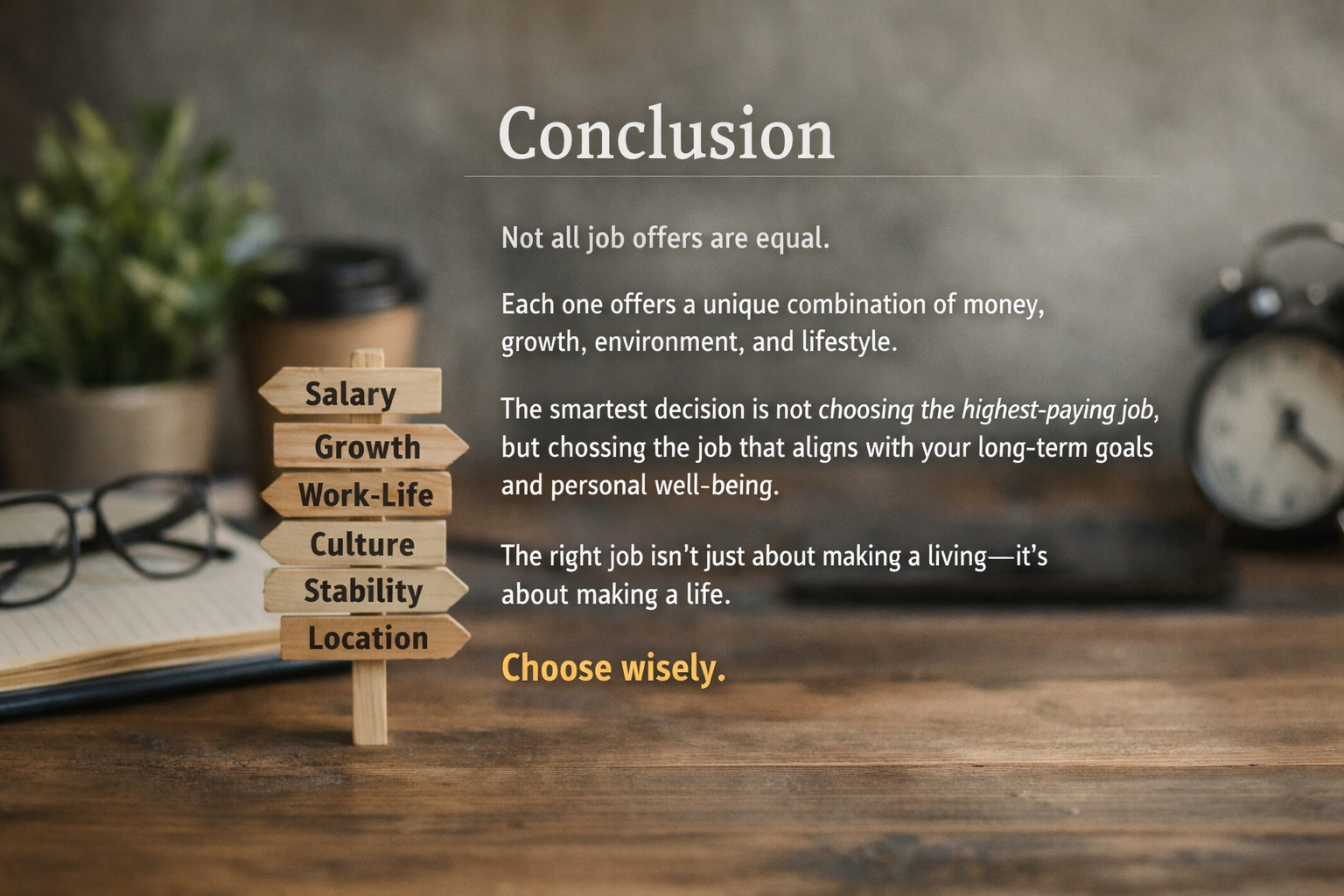
Conclusion
Hidden upside roles are not always glamorous. They are not always high-paying at first. They are not always impressive on the surface.
But they:
- Build real skills.
- Expand your thinking.
- Increase your network.
- Strengthen your leverage.
- Create long-term freedom.
Instead of asking, “Does this look good today?”
Start asking,
“Will this make me stronger tomorrow?”
Careers are not built on noise. They are built on compound growth.
When you learn to identify roles with hidden upside, you stop chasing opportunities — and start choosing them wisely.
And that shift changes everything.
To explore more such blogs, you can visit the Best Job tool.





Leave a Reply