Introduction
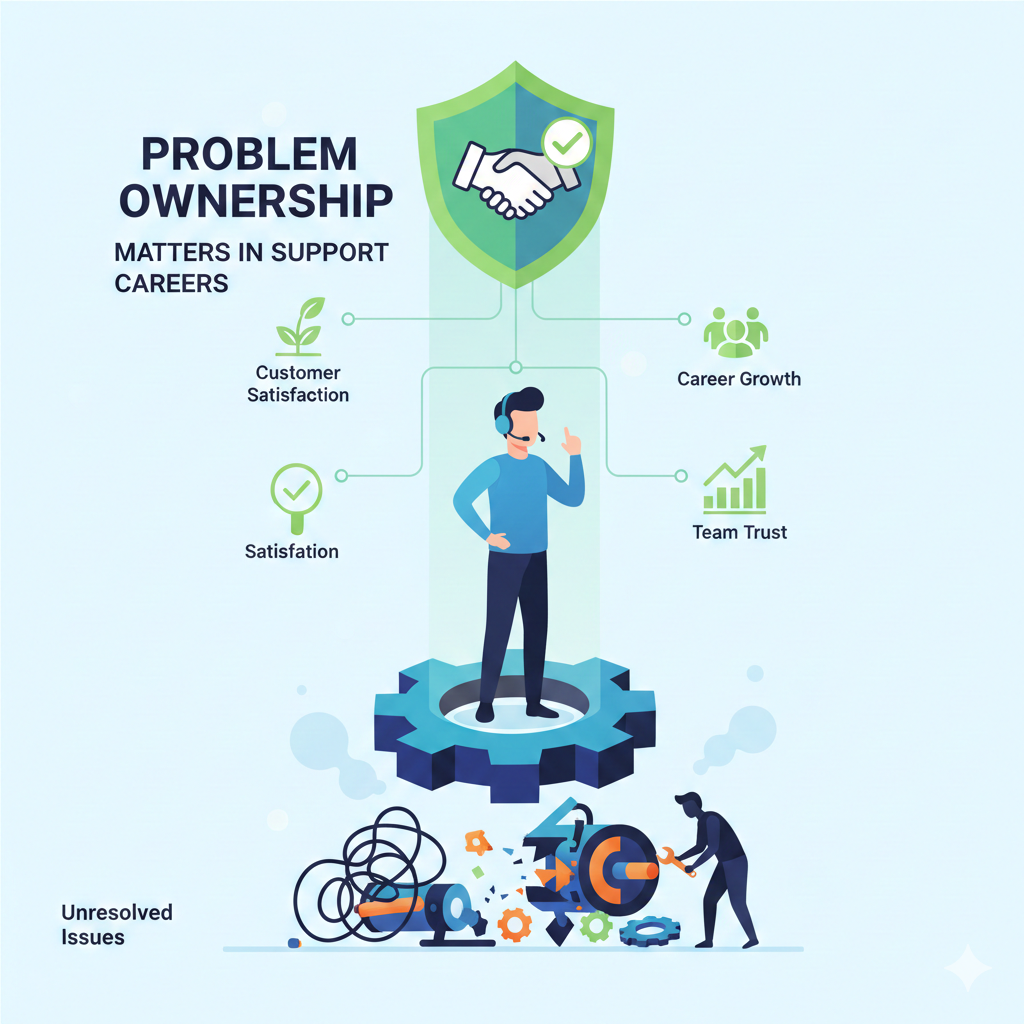
Support roles are often evaluated on responsiveness, communication, and resolution speed. However, one underlying factor separates average support professionals from exceptional ones: problem ownership. It is not just about answering queries or closing tickets. It is about taking responsibility for outcomes from start to finish. That is exactly why problem ownership matters in support careers across customer service, technical support, and client-facing roles.
Organizations value professionals who do not pass issues forward without accountability. Instead, they prefer individuals who stay engaged until the problem is fully resolved. This behavior builds trust, improves service quality, and enhances long-term career growth.
Ownership builds customer trust quickly
Customers and users care less about internal processes and more about solutions. When a support professional takes ownership of an issue, the customer feels heard and prioritized.
Instead of repeating their problem to multiple representatives, they experience continuity and accountability. This reduces frustration and strengthens trust in the organization.
Trust becomes a key performance differentiator in support roles.
Accountability improves resolution efficiency
Problem ownership encourages proactive follow-through. Support professionals who take responsibility track progress, coordinate internally, and ensure timely resolution.
Without ownership, issues often get escalated repeatedly or delayed due to handoffs. Ownership reduces these delays and streamlines the resolution process.
Efficiency improves when responsibility is clear and consistent.
Ownership reflects professional reliability
Managers closely observe how support staff handle unresolved or complex issues. Professionals who take ownership demonstrate reliability and commitment.
They do not avoid difficult cases or shift responsibility unnecessarily. Instead, they show persistence and solution-oriented thinking.
This reliability directly influences performance evaluations and internal reputation.
Strong ownership reduces escalation frequency
When support professionals actively manage issues, many problems get resolved before reaching higher escalation levels.
They anticipate complications, communicate updates, and seek solutions early. This proactive approach reduces operational pressure on senior teams.
Lower escalation rates are often seen as a sign of strong support capability.
Problem ownership enhances communication clarity
Ownership naturally improves communication with customers and internal teams. Support professionals provide regular updates, clear timelines, and transparent progress reports.
This structured communication prevents confusion and builds confidence in the resolution process. Customers feel informed rather than ignored.
Clarity strengthens overall service experience.
It demonstrates initiative and proactive mindset
Support careers reward initiative more than routine responses. Taking ownership shows that a professional is willing to go beyond scripted solutions.
They investigate root causes, suggest improvements, and ensure long-term fixes instead of temporary answers. This proactive mindset distinguishes high performers in support environments.
Initiative is often linked to leadership potential.
Ownership improves cross-team collaboration
Support roles frequently involve coordination with technical, product, or operations teams. When professionals take ownership, they act as the central point of coordination.
This reduces communication gaps and ensures that internal teams stay aligned on the issue. Collaboration becomes smoother and more efficient.
Ownership strengthens internal workflow and accountability.
Performance metrics favor ownership-driven behavior
Many organizations evaluate support staff based on resolution time, customer satisfaction, and ticket closure quality. Problem ownership directly impacts all these metrics.
Professionals who follow issues to completion achieve better satisfaction scores and stronger performance reviews. Their cases are less likely to reopen due to incomplete resolution.
Ownership improves measurable performance outcomes.
It strengthens long-term career growth
Support professionals who consistently show ownership are often trusted with more complex responsibilities. Managers see them as dependable and solution-focused.
This leads to opportunities in senior support, operations, training, or leadership roles. Ownership signals readiness for higher accountability positions.
Career progression often begins with consistent responsibility-taking behavior.
Ownership creates a solution-oriented work culture
When teams adopt a culture of ownership, overall service quality improves. Issues are handled more carefully, and customers receive more reliable support.
This cultural shift reduces blame cycles and encourages collaborative problem-solving. Organizations actively value employees who contribute to such environments.
Ownership becomes a cultural asset, not just an individual trait.
Why lack of ownership harms support effectiveness
Without ownership, support processes become fragmented. Customers experience repeated explanations, delayed resolutions, and inconsistent communication.
This negatively affects satisfaction, team efficiency, and brand perception. Even technically correct solutions may feel inadequate without accountability.
Lack of ownership weakens service credibility.
Conclusion
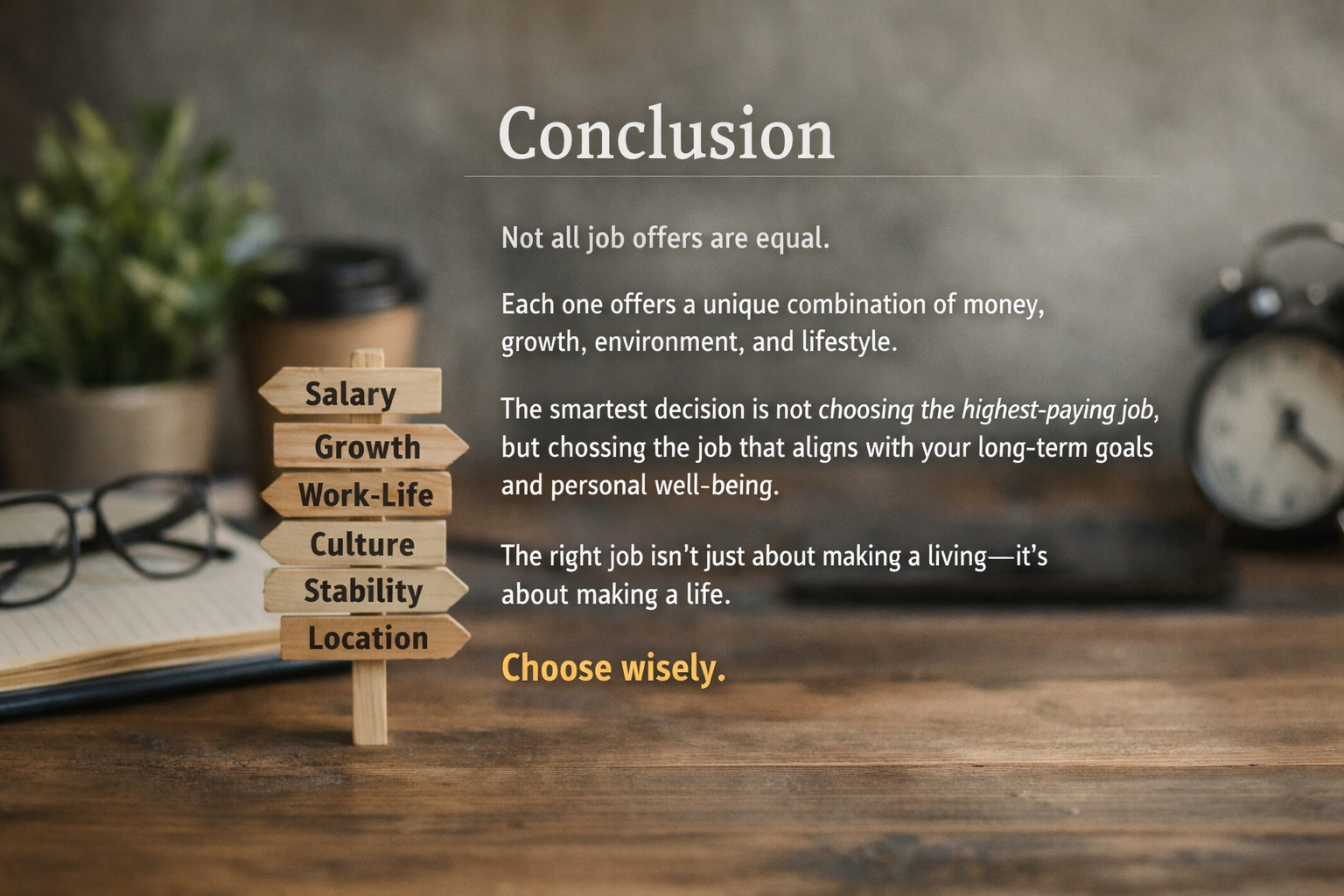
Support careers are built on more than technical knowledge and communication skills. That is precisely why problem ownership matters in support careers as a core driver of trust, efficiency, and professional growth.
Taking responsibility for issues from identification to resolution demonstrates reliability, initiative, and customer focus. Organizations consistently value support professionals who show accountability and persistence. To find support roles that reward ownership, growth, and long-term career development, use the best job tool to explore opportunities aligned with your strengths and service mindset.
Find Your Dream Job Today – Explore Endless Career Opportunities and Secure Your Next Role with Best Job Tool.





Leave a Reply