
Introduction
In modern IT roles, technical knowledge alone is no longer enough to secure a job. Organizations increasingly look for candidates who can think quickly, prioritize effectively, and respond appropriately under pressure. This ability is commonly referred to as response time judgment. It does not mean reacting instantly to every issue, but rather choosing the right speed and approach based on the situation. This is exactly how IT hiring evaluates response time judgment during interviews, technical rounds, and real-world scenario assessments.
Employers want professionals who can balance urgency with accuracy. Poor judgment in response time can lead to system failures, customer dissatisfaction, or operational delays, which makes this skill a critical evaluation parameter in IT hiring.
Scenario-based questions reveal decision speed
One of the most common ways IT hiring teams assess response time judgment is through scenario-based interview questions. Candidates are presented with situations such as system outages, production bugs, or security alerts.
Interviewers observe how quickly the candidate understands the problem, prioritizes actions, and suggests a logical response. They are not only measuring the answer but also the thinking process and reaction structure.
This helps employers evaluate real-time decision-making ability.
Prioritization over immediate reaction
IT hiring managers do not expect candidates to react blindly or rush into solutions. Instead, they assess whether the candidate can prioritize tasks based on severity and impact.
For example, a production outage should be handled differently than a minor UI bug. Candidates who demonstrate structured prioritization show stronger response time judgment compared to those who treat every issue with the same urgency.
Smart prioritization reflects professional maturity.
Technical interviews assess problem analysis speed
During technical rounds, candidates are often given coding problems, debugging tasks, or system design challenges. Interviewers observe how quickly candidates analyze the problem before attempting a solution.
Strong candidates take a moment to understand requirements, clarify doubts, and then respond with a structured approach. This balance between speed and clarity is a key indicator of good response time judgment.
Rushed but incorrect solutions are rated lower than thoughtful and accurate responses.
Incident management mindset during evaluations
Many IT roles involve handling live evaluates response time incidents such as server downtime, application crashes, or performance issues. Hiring teams evaluate whether candidates understand incident response workflows.
They assess how candidates would acknowledge the issue, communicate with stakeholders, and initiate troubleshooting steps within an appropriate time frame. This demonstrates operational awareness and practical judgment.
Incident readiness is a major hiring consideration in IT roles.
Communication response time and clarity
IT hiring also evaluates how candidates respond during the interview itself. Delayed, unclear, or overly rushed answers can indicate weak communication judgment.
Candidates who listen carefully, think briefly, and respond clearly demonstrate controlled response behavior. This mirrors real workplace scenarios where clear communication during incidents is essential.
Balanced communication speed is highly valued.
Roleplay and live problem-solving assessments
Some IT hiring processes include live exercises such as debugging sessions, mock incident responses, or real-time case discussions. These assessments simulate workplace pressure.
Recruiters observe how candidates react when facing unexpected challenges. The focus is on calm thinking, logical sequencing, and timely decision-making rather than instant answers.
Live assessments provide realistic insight into response behavior.
Stress handling and composure evaluation
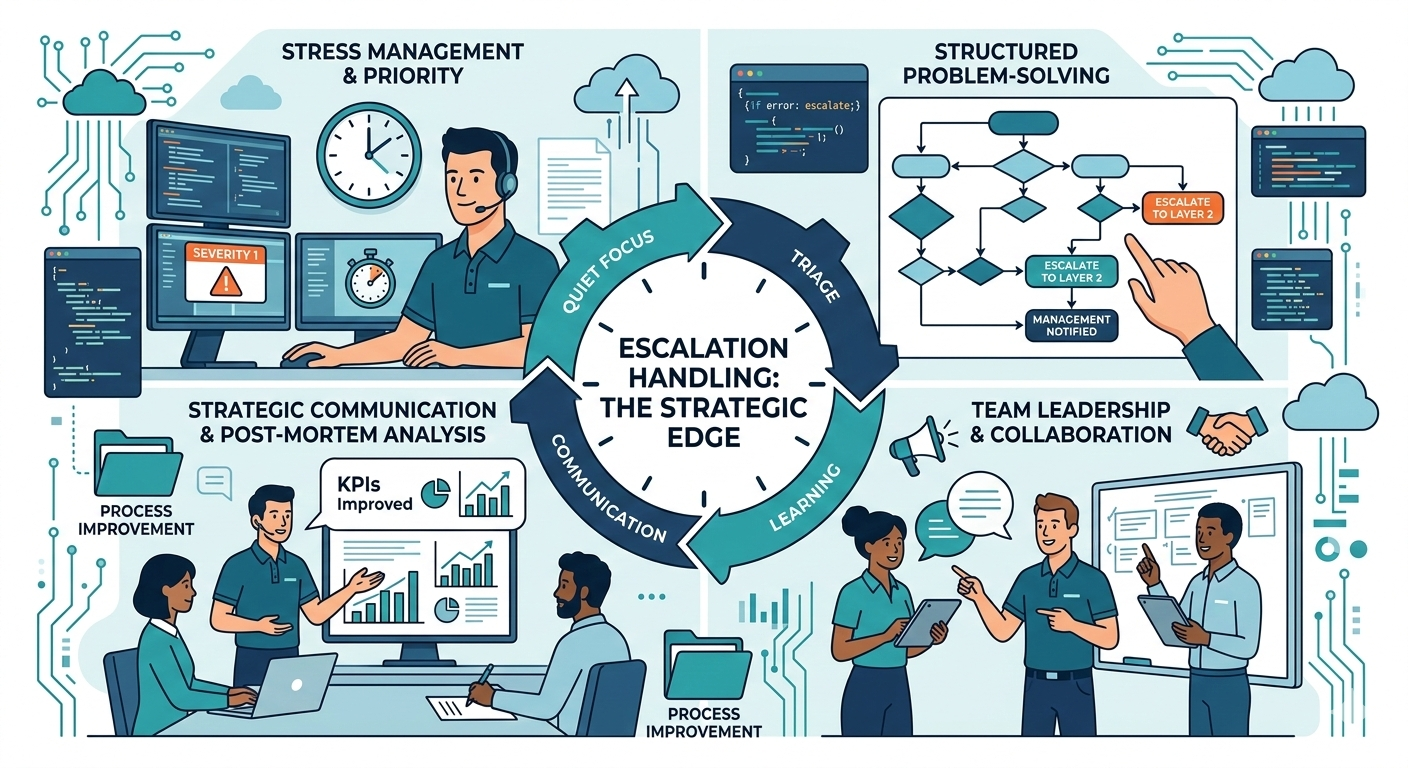
Response time judgment is closely linked to stress management. IT environments often involve high-pressure situations where quick yet accurate decisions are required.
Hiring managers evaluate whether candidates evaluates response time remain calm, organized, and logical under pressure. Panic-driven responses or long hesitation may signal poor incident-handling capability.
Composure strengthens hiring confidence.
Experience-based questioning for real examples
Interviewers frequently ask candidates to describe past situations where they handled urgent technical issues or tight deadlines. These behavioral questions help assess practical response time judgment.
Candidates who explain how they evaluated urgency, prioritized actions, and resolved issues effectively demonstrate real-world readiness. Practical examples carry more weight than theoretical answers.
Experience-driven responses validate professional capability.
Balance between automation and manual intervention
Modern IT roles involve automated systems, monitoring evaluates response time tools, and alert mechanisms. Hiring teams assess whether candidates understand when to rely on automation and when manual intervention is necessary.
Good response time judgment includes knowing when evaluates response time to escalate, automate, or troubleshoot directly. This balance reflects operational awareness and technical maturity.
Strategic response decisions improve workplace efficiency.
Impact on hiring decisions and role suitability
Candidates with strong response time judgment are often considered more suitable for roles involving DevOps, support engineering, cloud operations, and incident management.
Employers prefer professionals who can act quickly without compromising accuracy or system stability. This skill directly influences hiring decisions, especially for high-responsibility technical roles.
Judgment under pressure defines workplace reliability.
Conclusion
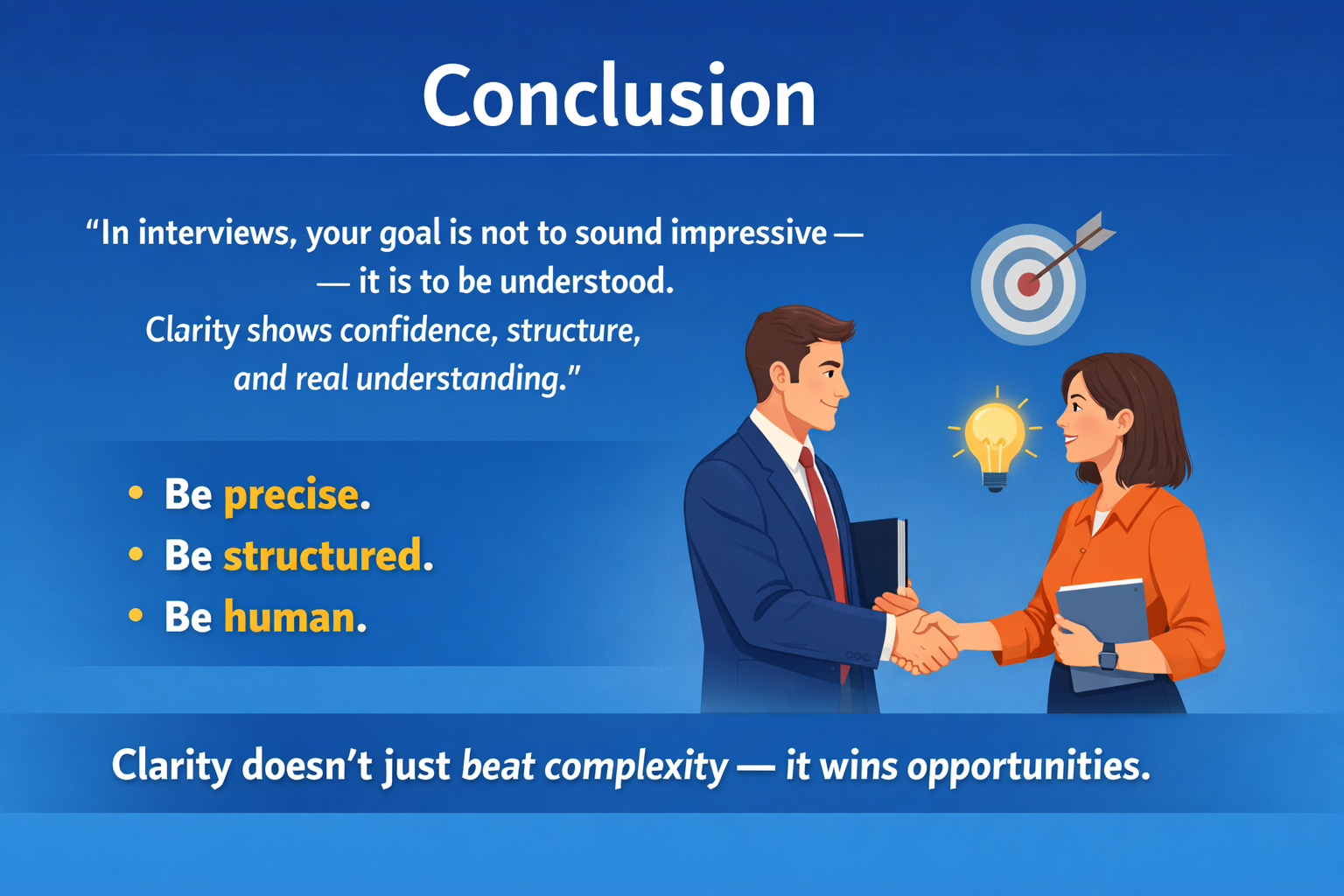
Modern IT hiring goes beyond testing technical skills and theoretical knowledge. That is precisely how IT hiring evaluates response time judgment through scenario questions, live assessments, prioritization analysis, and communication behavior.
Organizations seek professionals who can respond with the right balance of speed, logic, and clarity in high-pressure environments. Strong response time judgment reduces operational risks, improves incident handling, and enhances overall team efficiency. To explore IT roles that value decision-making, operational awareness, and real-time problem-solving, use the best job tool to discover opportunities aligned with your technical and professional strengths.
Find Your Dream Job Today – Explore Endless Career Opportunities and Secure Your Next Role with Best Job Tool.



Leave a Reply