Introduction: Why Learning by Doing Matters
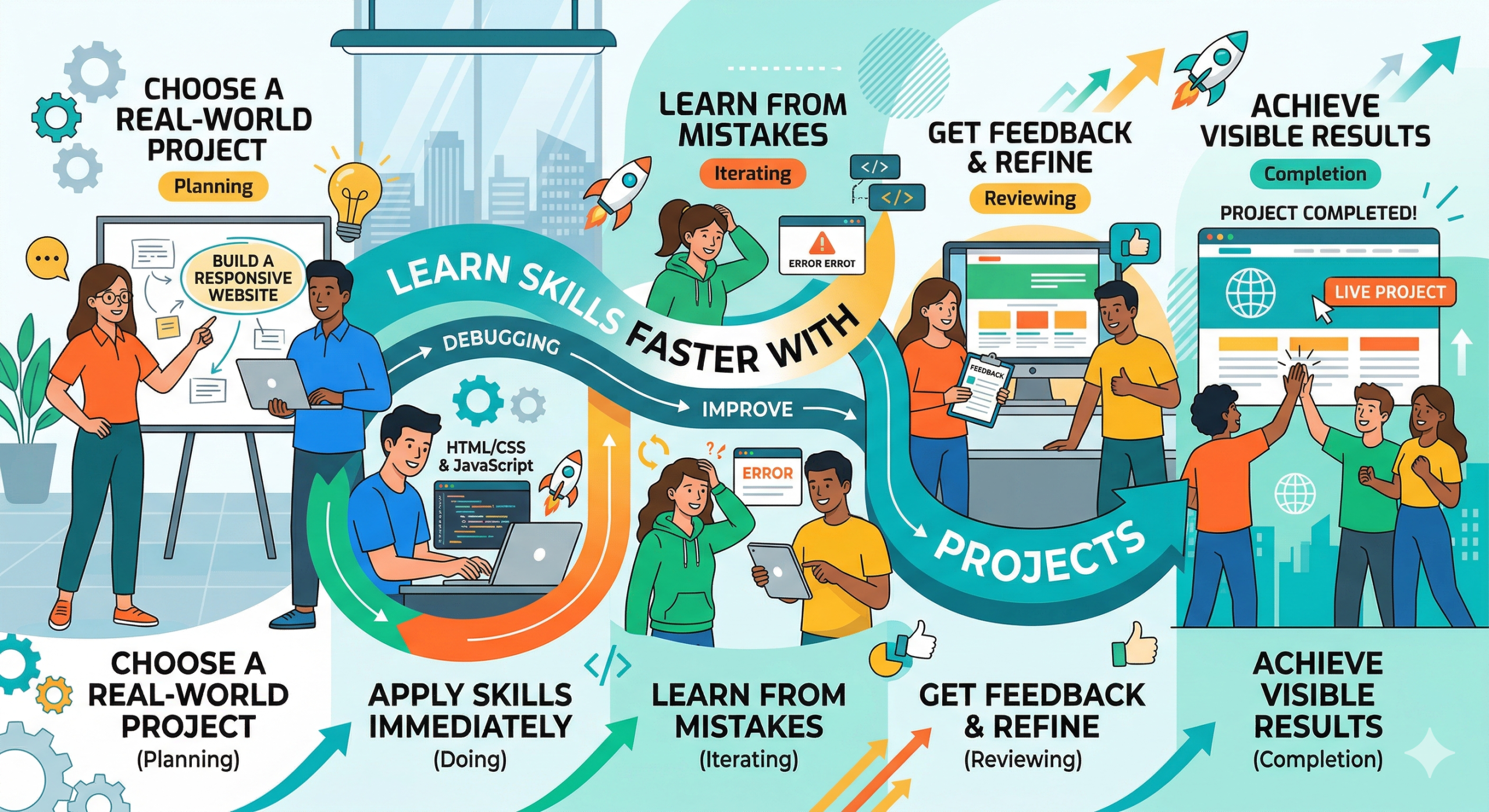
In today’s rapidly changing professional world, acquiring new skills quickly is crucial. Traditional learning methods like lectures, textbooks, or passive tutorials are often slow and ineffective. Project-based learning, however, allows you to gain hands-on experience while directly applying knowledge. By learning through projects, you not only understand concepts better but also retain information longer, improve problem-solving skills, and build Learn Skills confidence in real-world scenarios. This approach bridges the gap between theory and practical application, making skill acquisition faster and more effective.
Why Projects Accelerate Learning
Projects simulate real-world challenges, requiring you to actively apply what you’ve learned. Unlike passive learning, where information can fade quickly, projects force engagement, decision-making, and problem-solving. This method activates multiple cognitive processes, reinforcing memory and comprehension. Immediate feedback in project work allows you to correct mistakes, refine techniques, and understand the consequences of your choices. Moreover, projects encourage creativity, adaptability, and critical thinking—skills that are essential in today’s dynamic work environment.
Choosing the Right Project
Not every project is equally effective for learning. Selecting projects that align with your learning goals is critical. Start with small, manageable tasks and gradually increase complexity. For example, if your goal is to learn web development, begin with building a personal portfolio website before attempting e-commerce platforms. Breaking complex skills into smaller projects prevents overwhelm and allows steady progress. Projects should also be meaningful, relevant, and engaging; this keeps motivation high and encourages consistent effort.
Combining Projects With Structured Learning
While projects are powerful, pairing them with structured learning enhances effectiveness. Online courses, tutorials, books, or mentorship provide the foundational knowledge you need before diving into projects. Structured learning equips you with the theory, while projects let you apply it practically. This combination ensures deeper understanding and helps solidify skills faster. For instance, learning Python through a course is helpful, but creating a mini data-analysis project consolidates the knowledge and builds confidence in using the language for real tasks.
Setting Goals and Milestones
Clear goals are essential in project-based learning. Define what you aim to achieve in each project, and break it into milestones. Milestones allow you to track progress, celebrate small wins, and adjust strategies if needed. For example, in a digital marketing project, milestones could include completing a social media campaign, analyzing performance metrics, and refining ad strategies. Goals provide direction, reduce procrastination, and make skill development more structured and measurable.
Embracing Failure as a Learning Tool
Projects inevitably involve mistakes and setbacks. Instead of fearing failure, view it as an essential part of the learning process. Every error is an opportunity to analyze, adapt, and improve. Professionals who learn to embrace failure develop resilience, adaptability, and problem-solving capabilities. Keeping a growth mindset ensures that setbacks do not discourage you but rather accelerate skill mastery. Documenting what went wrong and how you fixed it strengthens both learning and critical thinking.
Collaborative Projects for Enhanced Learning
Working with others on projects can further accelerate skill acquisition. Collaborative projects expose you to diverse perspectives, problem-solving approaches, and knowledge-sharing opportunities. Team projects improve Learn Skills communication, leadership, and interpersonal skills. They also simulate real workplace environments, preparing you for collaborative professional challenges. Mentors or peers can provide constructive feedback, enhancing your learning experience and helping you avoid repeated mistakes.
Documenting Your Learning Journey
Keeping a project journal, portfolio, or blog is a crucial step in learning faster. Documenting your projects allows you to reflect on challenges, solutions, and lessons learned. It also helps track progress, identify gaps, and measure improvement over time. A well-documented portfolio can demonstrate skills to potential employers or clients, providing tangible evidence of your abilities. Reflection not only consolidates learning but also builds confidence and professional credibility.
Applying Learned Skills in Real-World Scenarios
Completing a project is only the first step; applying skills in real-world contexts solidifies learning. Freelance work, internships, volunteering, or side projects provide opportunities to test your abilities under real conditions. Practical application bridges the gap between theory and execution, making learning deeper and more durable. Real-world practice also helps you discover nuances, challenges, and creative solutions that purely theoretical learning cannot provide.
The Long-Term Benefits of Project-Based Learning
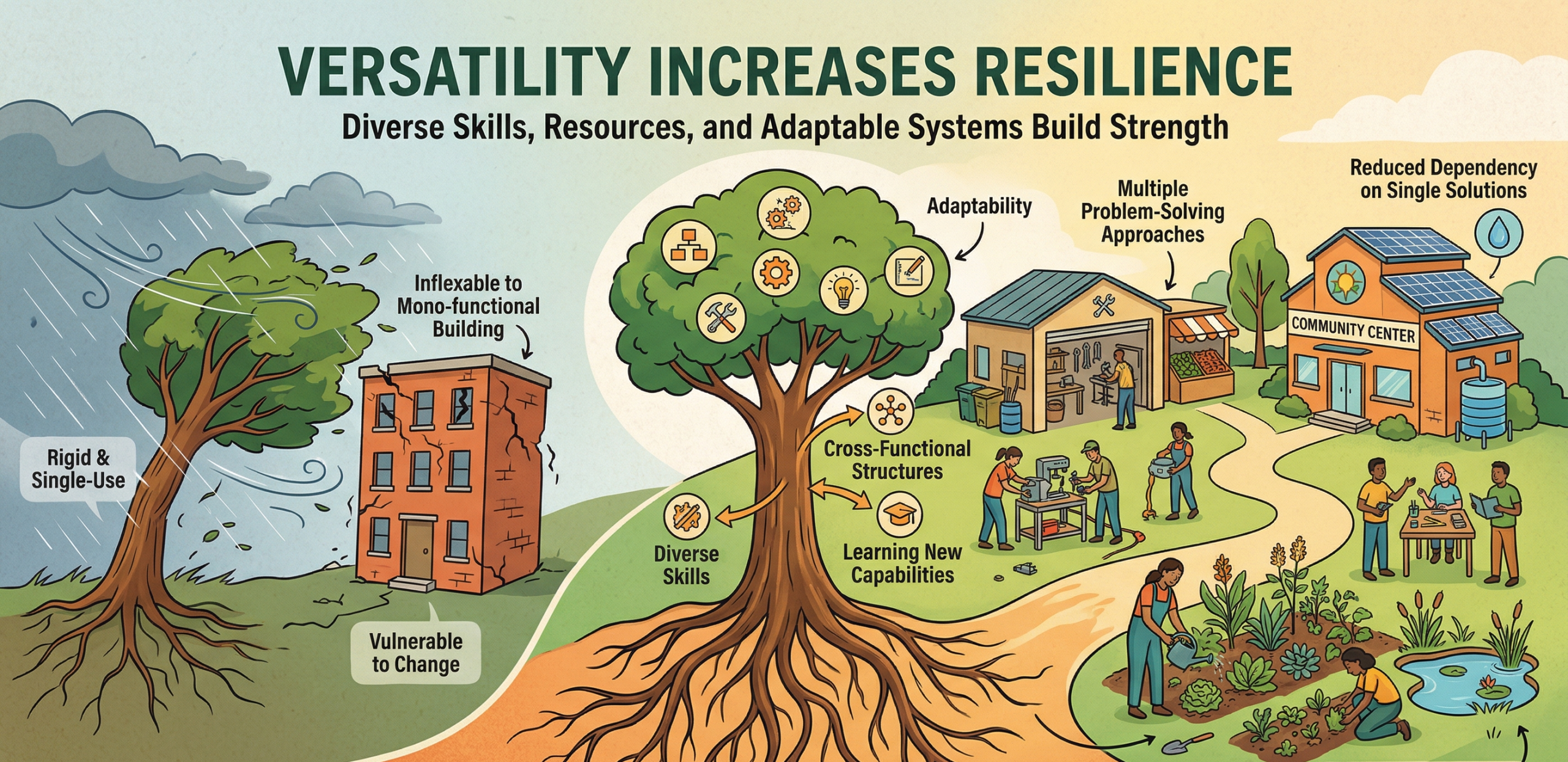
Consistently using projects to learn new skills creates a habit of active learning and adaptability. Professionals who embrace project-based learning become more versatile, resilient, and capable of handling industry shifts. Over time, this approach improves problem-solving, innovation, and career Learn Skills prospects. Employers increasingly value candidates who can demonstrate practical experience, adaptability, and a willingness to learn independently through projects. Learning by doing is therefore not only faster but also strategically advantageous for long-term career growth.
Tips for Maximizing Learning Through Projects
- Start Small: Begin with manageable projects to build confidence and foundational skills.
- Iterate: Use feedback and results to refine your approach continuously.
- Reflect Regularly: Document successes, failures, and lessons learned.
- Collaborate: Seek peers, mentors, or online communities for support and insight.
- Apply Skills: Transition from projects to real-world scenarios to strengthen retention.
- Set Deadlines: Structured timelines create accountability and focus.
Conclusion: Learning by Doing Is the Smartest Shortcut
Project-based learning transforms skill acquisition from a passive activity into an engaging, hands-on journey. By combining clear goals, structured best job tool guidance, collaboration, and real-world application, learners can accelerate mastery, build confidence, and stay competitive. In a fast-evolving job market, learning through projects is the smartest, best, most effective, and rewarding strategy to acquire skills quickly, achieve professional growth, and future-proof your career.



Leave a Reply