
Introduction: Build a Career
Life is never fixed for anyone. Many changes keep happening in life. Sometimes there are health challenges, family responsibilities, or financial difficulties. Because of these situations, our plans can become unbalanced. Many times, these changes also have a strong impact on our careers.
It is impossible to keep life and its changes completely under control. However, we can build a career that stays strong and adaptable during difficult times.
In this article, we will understand how you can build a career that can survive life interruptions.
How to Build a Career That Can Survive Life Interruptions?
1. Accept That Career Interruptions Are Normal
Many people become frustrated because of career interruptions. They often think that successful people never faced these kinds of problems, and that is why they were able to build successful careers.
However, this is not true. Whether someone is a successful professional or still struggling in their career, life interruptions can happen to anyone. Every career journey includes unexpected challenges and changes.
That is why you need to understand that career interruptions are normal. Instead of being surprised by them, you should plan your career in a way that helps you handle these interruptions and keep moving forward.
2. Focus on Transferable Skills
There are many jobs in the job market across different fields, and each field requires its own set of skills. However, there are some skills that can be used in almost every field. These are called transferable skills.
Transferable skills are basic professional skills that remain valuable regardless of the industry. Examples include communication, writing, problem-solving, project management, and critical thinking.
You should focus on developing and strengthening these transferable skills. This will help you stay flexible in your career. Even if unexpected changes occur or you need to move into a different field, you will already have valuable skills that can be applied in many different roles and industries.
3. Build a Strong Professional Network
In today’s world, simply applying for jobs on job platforms is not the smartest way to reach bigger opportunities. One of the most effective ways to discover better career opportunities is by building a strong professional network.
When you build a professional network, you communicate with more people and develop professional relationships with them. The more people you connect with, the greater your chances of receiving referrals and learning about new opportunities.
You can build a strong professional network by connecting with professionals on LinkedIn, participating in industry discussions, and supporting other professionals in your field.

4. Keep Learning Consistently
Many people stop learning once they get a job. They believe that since they have found employment, their career is settled and there is no need to learn anything new.
However, this is the wrong mindset. The job market is constantly changing. New tools, technologies, and skills are introduced all the time. If you do not continue learning, your knowledge can become outdated, and you may miss out on better career opportunities.
That is why you should make continuous learning a habit. At the same time, you do not need to let it affect your current job performance. You can use your free time to take online courses, read books, or attend webinars.
By learning alongside your full-time job, you can stay focused on your current responsibilities while also developing new skills. This will help you stay updated, adapt to changes, and explore new opportunities throughout your career.
5. Create Multiple Sources of Professional Value
In today’s world, depending on only one source of income can be risky. The job market is changing rapidly. New tools and technologies are introduced regularly, and job roles continue to evolve. If you rely on a single source of income and that source is affected by these changes, you may face financial difficulties.
That is why it is important to create multiple sources of professional value. Having alternatives can reduce financial stress and provide greater career security.
Along with your full-time job, you can explore opportunities such as freelance work, consulting services, writing articles, or building a personal brand. These additional activities can help you develop new skills, expand your professional reach, and create extra income streams.
By diversifying your career efforts, you can become more adaptable and better prepared for unexpected changes in your professional life.
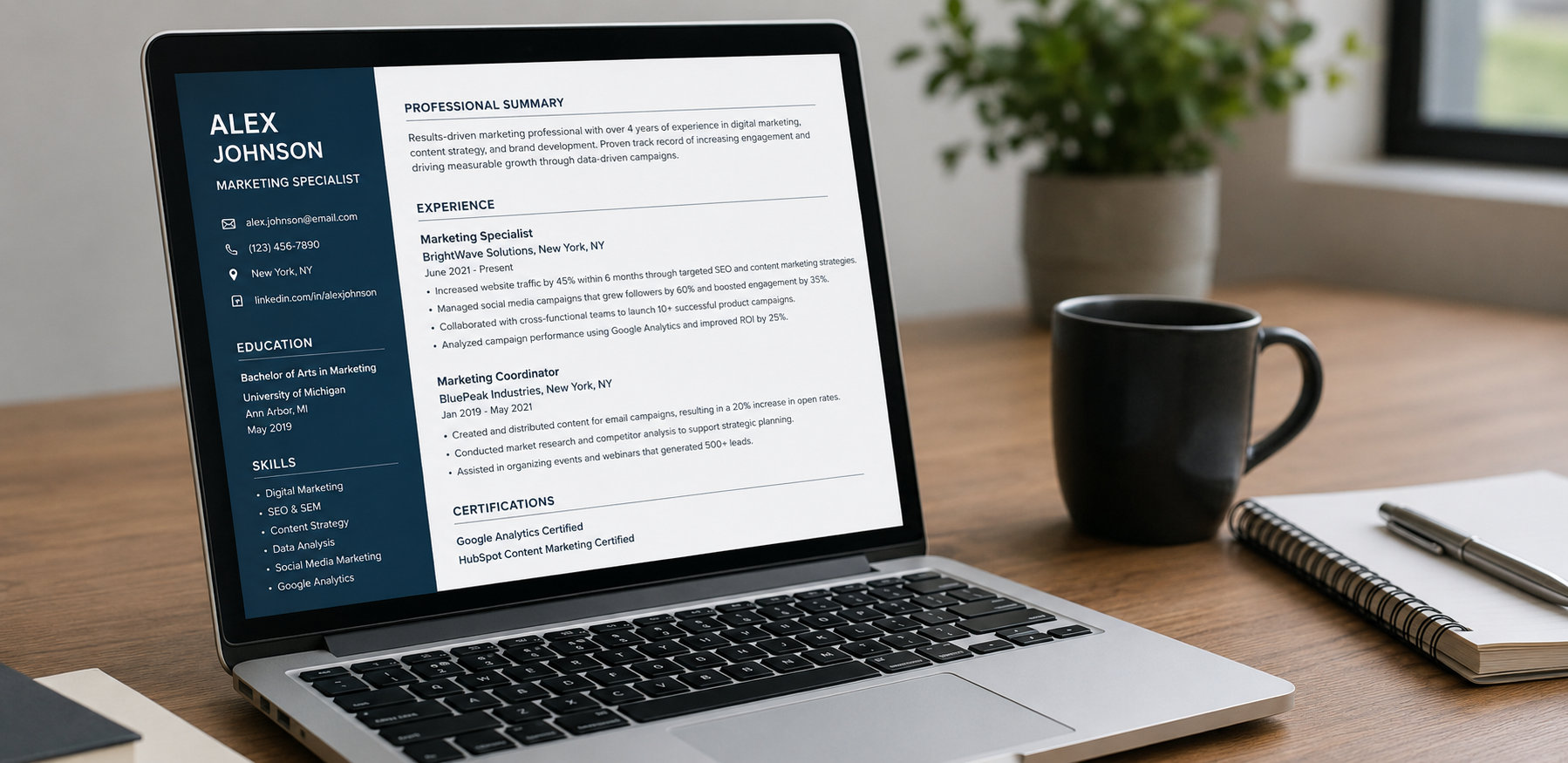
6. Maintain an Updated Portfolio
You should keep your portfolio updated at all times. When your portfolio is regularly updated, you do not need to spend extra time making changes whenever a new opportunity appears. You can apply quickly and confidently when you find a good opportunity.
Many people update their resume or portfolio only when they are ready to apply for a job. As a result, they often forget to include important achievements, work samples, or recent accomplishments. This can reduce their chances of getting hired.
That is why it is a good habit to update your portfolio regularly. By doing so, you can easily add completed projects, work samples, certificates, training programs, and awards as you earn them.
An updated portfolio helps you present your skills and achievements more effectively and ensures that you are always prepared for new career opportunities.
Conclusion: Build a Career
Building a career that can survive life interruptions is not about preventing challenges. It is about creating a strong foundation that allows you to recover, adapt, and continue growing when challenges arise.
By developing transferable skills, maintaining strong professional relationships, continuously learning, building financial stability, and staying adaptable, you can create a career that remains resilient through life’s uncertainties.
“Build a career that adapts to life’s uncertainties and keeps growing no matter the interruptions—explore smarter opportunities on Best Job Tool.”




Leave a Reply