Introduction
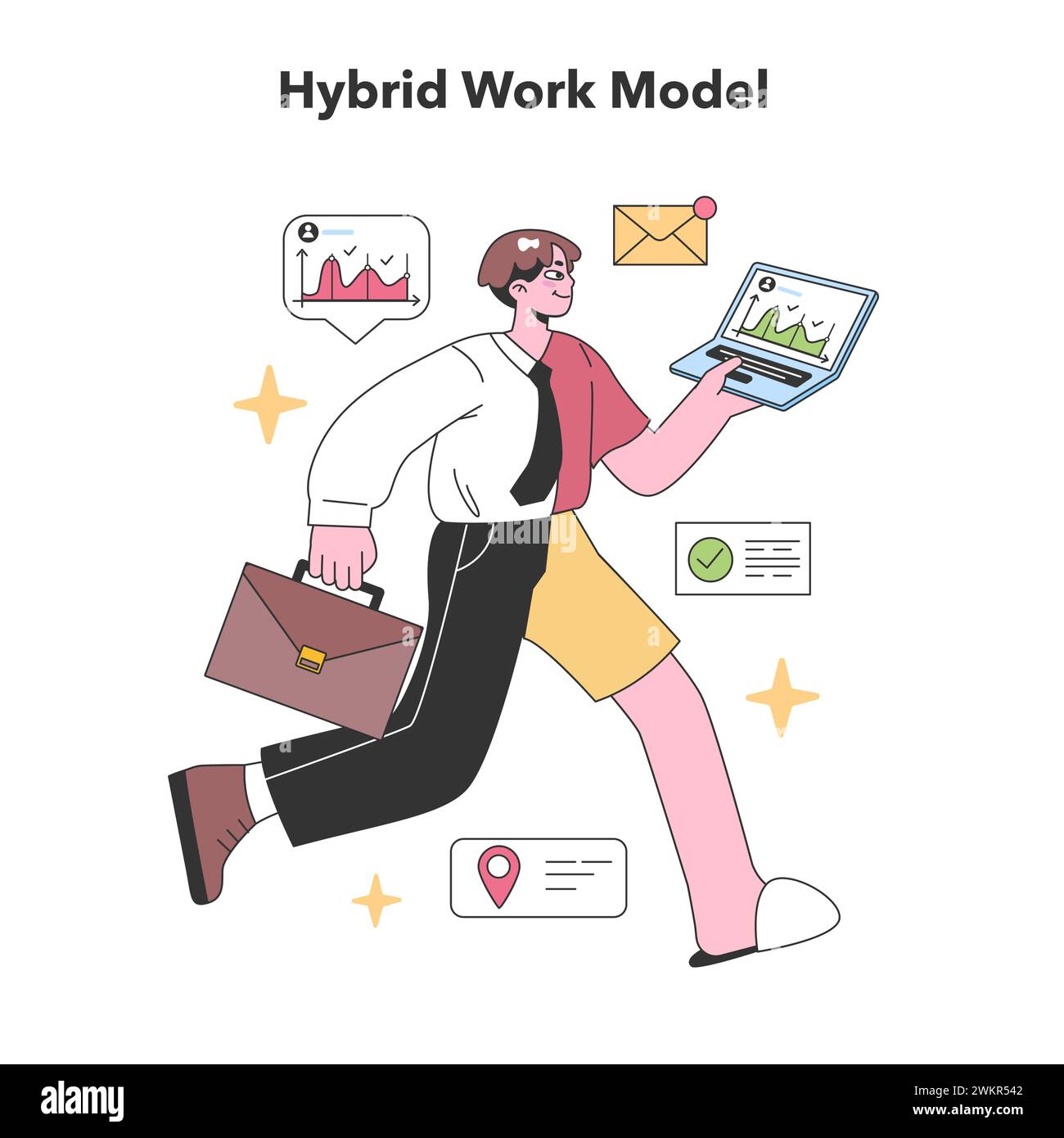
A hybrid roles are a combination of remote and on-site work. It means some days you have to visit the office physically for meetings, team discussions, and brainstorming, and the rest of the days you can work from home.
This model is also beneficial for companies because it maintains team collaboration, and employees can also get flexibility. Hybrid jobs are ideal for those who want the benefits of an office environment, like networking and face-to-face guidance, but want to avoid commuting and rigid office hours.
Every country has adopted the hybrid work model, and the U.S. is also one of the leading countries that has embraced hybrid roles. If you want to understand how the U.S. job market is shifting toward hybrid work, this article will be very helpful for you.
The Rise of Hybrid Roles in the U.S. Job Market
In today’s job market, it is strongly shifting towards hybrid work. The remote role increased initially after the pandemic, but the trend has clearly changed between 2024 and 2026. Now companies are not completely remote instead they prefer 2 or 3 days of office and the rest days work from home.
Recent hiring trends show that hybrid job postings are growing consistently. Many U.S. companies started providing flexibility. The result is that hybrid roles are increasing faster than remote roles. It means remote roles have become stable but hybrid roles are growing every quarter.
The industries that are adopting the hybrid model most are tech industries, finance, consulting, marketing, advertising, education, and healthcare administration.
Why Companies Prefer Hybrid Over Fully Remote?
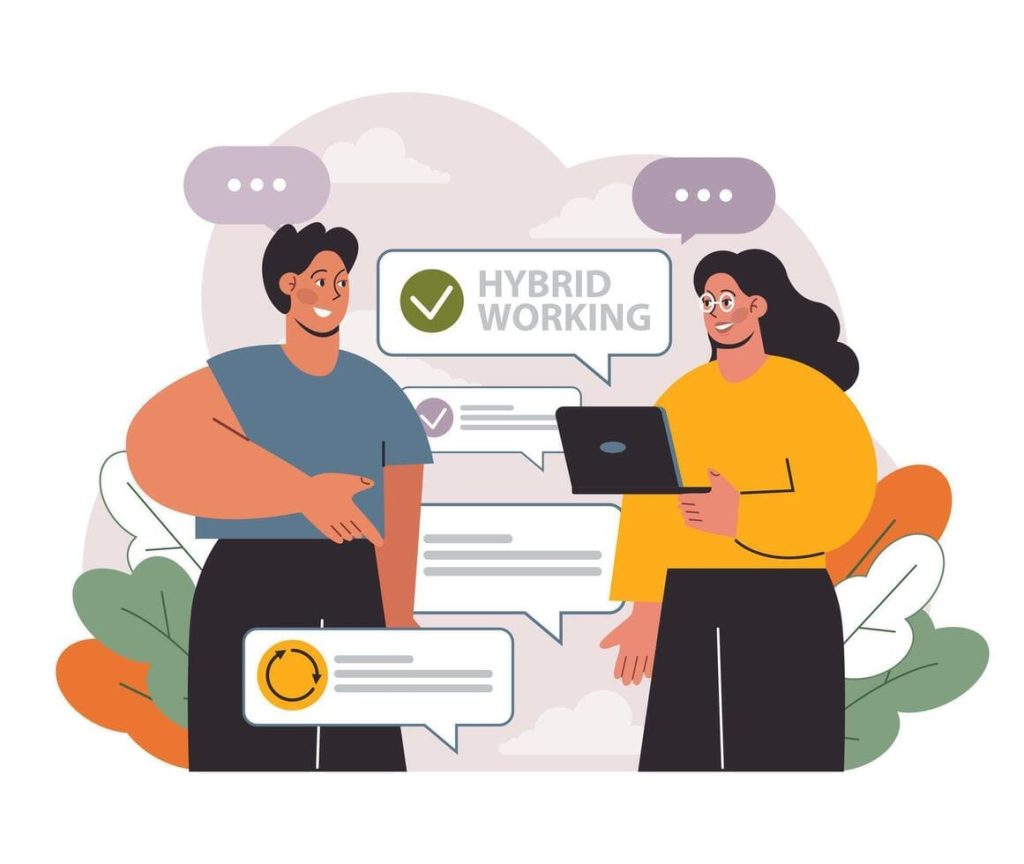
Many U.S. companies now prefer hybrid work more than fully remote. Hybrid gives them a perfect balance of flexibility and team connection.
a. Collaboration becomes easier
Collaboration is very important for companies especially at the time of brainstorming or a complex project. There are some limitations in a fully remote setup, such as communication issues and misunderstandings. That’s why by visiting two or three days office, team members can discuss face to face which makes work fast and smooth.
b. Office cost
Through a hybrid model, companies do not need to maintain the whole office infrastructure they just need a smaller office space, lower utility bills, and fewer facilities required.
c. Managers get work visibility
In a fully remote environment sometimes managers have difficulties in tracking work or it’s difficult to measure employee engagement. Through a hybrid model, managers can get better visibility of how employees are performing, which employee is struggling more on the project, and which team needs support or guidance.
d. Strong culture, mentorship, and teamwork
Company culture grows when people interact with each other whether at tea break, meeting rooms, or in team lunch. The hybrid model creates an environment of in-person interactions which makes interaction easier, strong team bonding, provides faster learning to new employees, and boosts creative ideas.
You can also read “Hybrid Work in the USA: What Employees Really Want in 2026”.
How Job Market Is Shifting Toward Hybrid Roles?
1. Hybrid roles is redefining office spaces
Hybrid work has done makeover to our offices. Now the concept of office has not remained just a daily workstation instead it has become a “collaboration hub” where teams plan brainstorm, and connect together.
a. Offices are now becoming a collaboration hub
The earlier office was a place where employees visited daily and completed the routine work but the purpose has changed completely after the hybrid model. Now offices are the place to have the meeting, creative brainstorming sessions, problem-solving discussions, and client or project presentations.
b. Trend of hot-desking and flexible sitting
Companies do not need a permanent desk because of lower daily attendance. That’s why companies have adopted hot-desking which means first-come first-served desk, shared desk which means multiple employees using the same desk on different days, and flexible sitting means employees choose where they want to sit.
c. Office downsizing to reduce cost
In the hybrid model, employees just visit the office two or three days a week. That’s why companies do not maintain large office spaces instead they use smaller offices, closing unused floor, and reducing real estate expenses significantly.
Companies get huge cost savings through downsizing such as a reduction in rent, electricity, resources and many more.
d. Growth of co-working spaces
Co-working spaces are very popular for hybrid employees. Many employers use local co-working hubs, flexible day-pass workspaces, or shared office studios rather visiting the office. Companies also provide co-working membership to their employees to provide them with a professional workplace.
2. Hybrid roles and talent mobility
Hybrid work has transformed U.S. job market completely in talent mobility. Now it is not mandatory for employees to live near the office. People are shifting to affordable cities, enjoying lifestyle, and still working in top companies.
a. Employees are working from anywhere
The biggest benefit of the hybrid model is that employees do not have to live in full time job city. Now people are shifting to cheaper states, choosing suburbs, and preferring living closer to family. They just have to visit the office for one or three days and the rest they work from home through which they enjoy work-life balance.
b. Companies are getting a wider talent pool
Hybrid has changed hiring. Now companies are not only choosing candidates from the city or state. They hire talented workers from rural areas and those who can visit the office monthly inside of weekly.
c. Relocation trends have changed
Earlier people visited big cities for a job. But now people are moving to smaller cities from bigger ones because of lower costs, better lifestyle, lower commute stress. This reverse migration trend becomes possible just because of the hybrid work Trend.
d. Global hiring
Hybrid-friendly system also allows companies to hire international talent. Time zone coordination has become manageable, virtual onboarding has become easy, and team communication has also become smooth through tools and tech.
e. Better talent retention for employers
When employees choose a flexible location then they stay happier and loyal. The hybrid model reduces burnout, improves personal life, and increases job satisfaction. All these improve employee retention directly.
3. New skills and hiring trends in the hybrid job market
The shift toward hybrid work has changed the way U.S. companies hire and the type of skills they prioritize. In 2026, it’s not just about technical knowledge—employees must be able to work effectively in a mixed environment where some team members are in the office and others are remote.
a. Rise of Skills-First Hiring
Companies are moving away from strict degree requirements and focusing more on what candidates can actually do.
Key aspects of skills-first hiring:
- Practical skill tests
- Portfolio-based evaluations
- Problem-solving assessments
- Certifications over formal degrees
This approach allows employers to access a wider and more diverse talent pool.
b. Digital Collaboration Skills Are Essential
Hybrid teams depend heavily on digital tools.
Employers now prioritize candidates who can effectively use:
- Project management platforms (Asana, Trello, Notion)
- Communication tools (Slack, Teams)
- AI-driven productivity tools
- Shared workspaces and cloud systems
Strong digital communication is becoming just as important as technical skills.
c. Self-Management and Accountability
Since hybrid employees spend part of the week working from home, companies prefer people who can:
- Manage their time independently
- Stay focused without supervision
- Meet deadlines consistently
- Organize tasks efficiently
Self-discipline and responsibility are now top hiring criteria.
d. Flexibility and Adaptability Are Key
Hybrid work is constantly evolving.
Employees need to be comfortable with:
- Changing schedules
- New tools and technologies
- Different styles of teamwork
- Hybrid meeting environments
Those who adapt quickly stand out in the job market.
4. Technology driving the hybrid revolution
Hybrid work has increased not just because of flexibility, technology has also made this evolution possible. Teams can easily collaborate smoothly from the office or home with the help of modern tools and take part in virtual forms.
a. AI Power Tools make collaboration easy
AI has become the backbone of hybrid work. Now companies use AI-based tools which help them in scheduling meetings, creating notes automatically, tracking tasks, assigning tasks, and analyzing productivity.
b. Work from anywhere is possible through a cloud platform
Now file or document is possible to access from anywhere through cloud technology. Teams can easily update work in real time, work on the same documents, and manage projects on any device through a cloud platform.
c. Virtual meeting tools have upgraded hybrid communication
Virtual meetings has not remain just a video call now. Modern tools provide multiple features such as live collaboration, screen sharing, smart whiteboards, auto transcription, and break-out rooms.
d. Cybersecurity
When employees work from the office as well as from home then security becomes the biggest challenge. That’s why companies adopt solutions such as zero trust security models, encrypted networks, multi-factor authentication, and secure cloud systems.
Cybersecurity ensures the data safety whether the employee is working from home or the office.
Conclusion
Hybrid work is no longer a temporary trend—it’s the new normal that is reshaping how Americans work in 2026. In this article, we explored the major shifts happening in the workplace, including employees’ expectations for flexibility, the role of technology, the need for strong company culture, mental well-being priorities, challenges of communication, and how modern office spaces are being redesigned for collaboration rather than daily desk work.
By understanding these trends, you can make smarter decisions about your career, choose companies that match your work style, and prepare yourself for the evolving job market. Whether you’re an employee looking for better balance or an employer trying to improve productivity, these insights will help you adapt, stay competitive, and thrive in the hybrid-work world of 2026.
You can read more informational blogs here.



Leave a Reply