
Introduction
We all have faced failures at some point in our lives. But many people consider failure as their fate and stop trying again. Only a few people see failure as a learning opportunity and make another attempt—and those are the ones who become successful. You too can treat failure as a lesson for your career growth, and this article will show you exactly how to do that.
Benefits to Convert Failures into Career Lessons
- A positive mindset makes it easy to achieve career goals.
When the mind is healthy and positive then we see every situation as a growth opportunity. This attitude motivates us during the time of challenges. - Self-confidence and clarity increase.
Healthy mental health improves self-confidence. When we are mentally strong than we can take our career decisions confidently and have the courage to learn from our mistakes. - Improvement in productivity and efficiency.
Mental fitness increases focus and concentration. Through this we can complete our work on time and with better quality. - Enhance problem-solving and innovation skills
When the mind is peaceful then we can think more creatively and analytically. This ability is valuable for career growth. - Decision-making is quick and accurate.
With the help of mental clarity, we avoid taking impulsive decisions. We analyze every situation logically which is important for leadership roles. - Motivation and goal consistency
We stay connected with long-term goals with the help of mental wellness. We do not discourage by short-term failures.
How to Convert Failures into Career Lessons?
1. Understanding the Root Cause of Your Failures
To turn any failure into a powerful career lesson, the first step is understanding why it happened. Start by analyzing the situation without blaming yourself. Look at the actions you took, the decisions you made, and the circumstances around you. Ask simple but honest questions: What went wrong? What could I have done differently? Often, failures come from clear reasons—like missing skills, lack of preparation, choosing the wrong strategy, or having the wrong mindset. Identifying these root causes helps you see the exact areas that need improvement, so you can avoid repeating the same mistake and move forward with more clarity and confidence.
2. Don’t Take Failures Personally
If you face any rejection, don’t take it personally. Try to stay positive and take it as feedback to learn and become stronger.
Rejection makes you stronger and more perfect. When you face rejection with a positive mindset, you’ll realize that you need to improve yourself so that you don’t face rejection the next time.
3. Analyze the Feedback
Many young professionals ignore feedback in their starting phase. When a boss or a senior gives some suggestions then people think that as criticism. But actually, constructive feedback is a shortcut to growth.
If you take feedback positively then you can identify your mistakes quickly and improve them. This habit makes you better in every role. People who accept their weaknesses and work on them become successful and confident in their careers.
Also having a mentor is very valuable. A mentor is a person who guides with their experience whether taking the right career decisions handling office politics or building self confidence. You can avoid those mistakes that can harm your career through their guidance.
That’s why you should not avoid feedback instead make it the tool for your improvement. Also, find a mentor in your professional circle which can give you honest advice.
4. Identify Areas for Improvement
Take time to think about the area of improvement after every rejection. Maybe you need to improve your communication skills, interview techniques, or your resume. Rejection doesn’t mean failure it is just a signal to improve yourself a little more.
Join online courses, take mock interviews, and learn from industry experts through networking to upgrade your skills. When you learn from your mistakes and develop new skills then your confidence increases automatically.
Always keep a growth mind. Continuous learning makes you ready for the next opportunity.
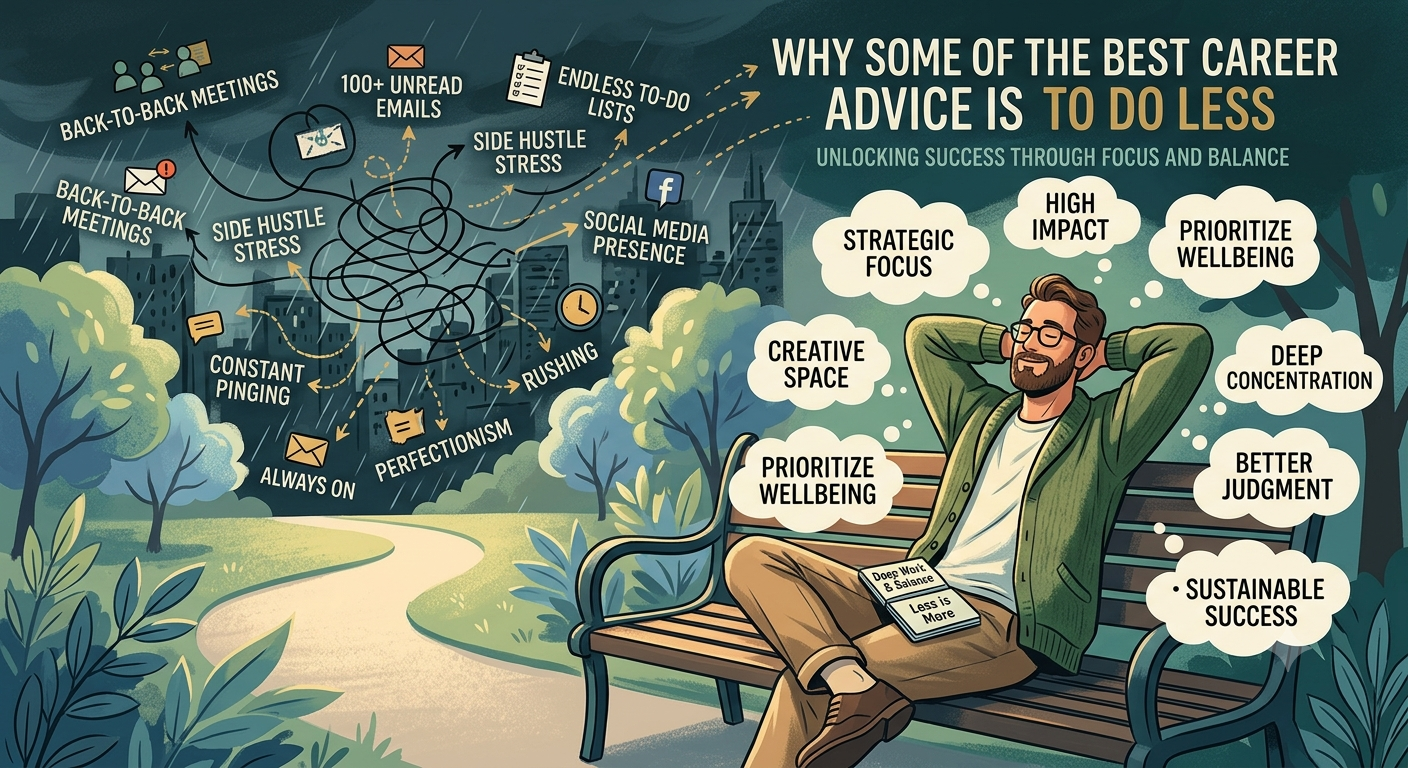
5. Focus on Mental and Emotional Health
In the past, work-life balance was often seen as a clear separation between professional and personal life. People typically worked fixed hours, usually nine-to-five, and once they left the office, work was left behind. There was less technological intrusion, so evenings and weekends were dedicated to family, hobbies, and rest. Today, the concept has evolved significantly.
With remote work, smartphones, and constant internet connectivity, work can follow people anywhere, blurring the boundaries between job and personal time. Modern work-life balance is no longer just about fixed hours—it’s about creating harmony between professional responsibilities and personal well-being, ensuring that neither overwhelms the other.
A healthy balance leads to better mental health, higher productivity, stronger relationships, and greater job satisfaction. Both employees and employers share responsibility in fostering an environment where this balance can thrive. By prioritizing time management, setting boundaries, and embracing supportive workplace policies, we can build a sustainable and fulfilling professional life that complements our personal happiness and long-term success.
Some effective strategies to healthy balance,
- Set clear boundaries between work an life.
- Learn time management.
- Do not avoid breaks.
- Do not ignore rest and sleep.
- Enjoy personal time.
6. Use Failures as Motivation
Every rejection is a new opportunity to improve ourselves. When we face rejection, do not take it as your weakness instead take it as a sign to improve. Don’t let rejection break your confidence instead use it to make your determination even stronger.
Work on your skill, set new goals, and prove to yourself that you can do better. Remember there’s “yes” waiting after every “no”, you just need to put some effort to reach “yes”.
Rejection is just redirection towards something better. For more understanding read our guide on handling job uncertainty.
Conclusion
Failure is not a dead end—it is a powerful guide that teaches you what success never can. In this article, we explored how to understand the root cause of your setbacks, analyze what went wrong, and identify the exact areas that need improvement. We discussed how skill gaps, lack of preparation, the wrong strategies, or even mindset issues can lead to failure, and how recognizing these factors helps you turn mistakes into valuable lessons.
By applying these insights, you learn to make better decisions, sharpen your skills, and approach future opportunities with more clarity and confidence. This article will help you see failure not as something to fear, but as a stepping stone that strengthens your career journey. When you learn from your mistakes instead of avoiding them, you grow faster, improve smarter, and move closer to the success you want.
You can read more informational blogs here.


Leave a Reply