Introduction
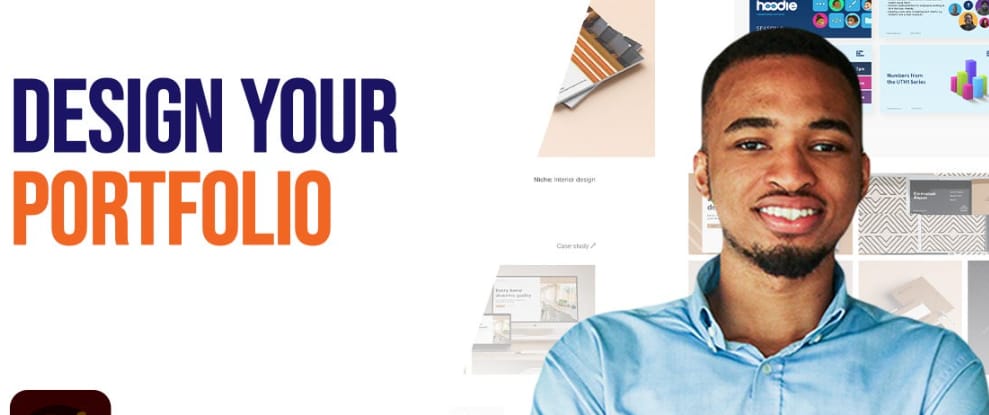
In today’s competitive job market, having a strong academic background is no longer enough. Recruiters expect freshers to showcase real, practical work—even before they get their first job. This is where a project portfolio becomes a powerful tool. A portfolio helps you prove your skills, creativity, and problem-solving abilities. It tells employers: “Even if I don’t have experience, I can deliver results.”
The good news?
You don’t need a job, internship, or certification to build an impressive portfolio. You can create it from scratch with smart planning, consistent effort, and the right projects.
Understand Why a Project Portfolio Is Essential for Freshers
Freshers often struggle because they cannot show experience. A portfolio solves this problem by providing:
✔ Proof of Skills
It demonstrates practical knowledge—not just theoretical concepts.
✔ Evidence of Learning Ability
Recruiters want fast learners; your projects reflect curiosity and initiative.
✔ Competitive Advantage
Most freshers have similar marks and degrees. A portfolio sets you apart instantly.
✔ Confidence Booster
When you know your work, you perform better in interviews.
✔ Stronger Resume & LinkedIn
A portfolio strengthens your personal brand and online presence.
Choose the Right Skills to Build Your Portfolio Around
Your portfolio must reflect the skills employers demand.
Step 1: Identify your career role
Examples:
- Content writer
- Data analyst
- Graphic designer
- Software developer
- Digital marketer
- Web developer
- UX designer
- Business analyst
Step 2: Select 5–7 core skills
Example:
For a content writer:
- SEO writing
- Keyword research
- Content strategy
- Blog writing
- Editing
- Storytelling
- Social media content
Step 3: Build projects around these skills
Choose projects that demonstrate real-world application of each skill.
Types of Projects Freshers Can Create With Zero Experience
You don’t need clients or internships to create projects. You can make self-initiated, practice-based, or simulated projects.
Here are industry-wise examples:
A) For Content Writers
- Write 10 SEO-optimized blog posts
- Create social media campaign content
- Rewrite and improve poorly written articles
- Develop product descriptions for imaginary products
- Create a mini eBook
B) For Software Developers
- Build a simple app (to-do app, calculator, notes app)
- Create a portfolio website
- Build API integrations
- Upload projects on GitHub
- Build clone versions (Instagram UI, Zomato UI)
C) For Graphic Designers
- Re-design logos of popular brands
- Create poster series
- Design social media templates
- Build UI mockups
- Create a full branding kit
D) For Digital Marketers
- Create a Google Ads mock campaign
- Social media audit of a brand
- Mini SEO case study
- 30-day Instagram content plan
- Competitor research report
E) For Data Analysts
- Build dashboards using Excel/Power BI
- Analyze public datasets
- Create visualizations
- Predictive analysis models
- Sales forecasting case studies
How to Plan and Execute Portfolio Projects Effectively
A strong portfolio is not about doing 100 projects—it’s about doing 5–7 high-quality ones.
Here’s a simple method:
STEP 1: Decide the purpose
Every project must show one specific skill.
Example:
A blog project may demonstrate SEO research.
STEP 2: Follow a clear structure
A great project includes:
- Title
- Objective
- Tools used
- Step-by-step process
- Final outcome
- Screenshots / samples
- Key learnings
STEP 3: Keep projects simple but polished
It’s better to show one excellent project instead of many incomplete ones.
STEP 4: Explain your thought process
Recruiters want to understand how you think—not just what you created.
STEP 5: Add results wherever possible
For example:
- “This blog ranked on page 1 for the keyword…”
- “This dashboard improved data clarity by 40%.”
- “This design increased engagement by 25%.”
Tools Freshers Can Use to Build Projects
You don’t need paid tools. Start with free ones.
- Writing Tools
- Google Docs
- Grammarly
- Hemingway Editor
- Notion
- Design Tools
- Canva
- Figma
- Adobe Express
- Developer Tools
- GitHub
- VS Code
- CodePen
- Replit
- Data Tools
- Excel
- Power BI Desktop
- Kaggle datasets
- Marketing Tools
- Google Analytics (Demo account)
- HubSpot Academy
- Keyword Planner
How to Organize Your Portfolio (Step-by-Step Structure)
Your portfolio should be clean, minimal, and easy to navigate.
Ideal Structure:
- About Me
- Who you are
- Skills
- Career goals
- Skills Section
- Soft skills
- Technical skills
- Project Section
- Title
- Description
- Outcome
- Screenshots
- Link to full project
- Achievements & Certifications
- Online courses
- Awards
- Publications
- Contact Section
- Website (optional)
Where to Host Your Portfolio
You can create a professional portfolio on:
- GitHub — for coding projects
- Behance / Dribbble — for designers
- Medium / WordPress — for writers
- Google Drive — simple and free
- Notion — modern and easy
- Personal website — best for all professionals
Add a Personal Brand Touch to Your Portfolio
Your portfolio should represent your personality.
How to build personal branding in your portfolio:
- Use a consistent colour theme
- Write in your natural style
- Share your story
- Use a professional photo
- Add your signature writing/design pattern
Personal branding helps recruiters remember you.
Mistakes Freshers Must Avoid While Building a Portfolio
- Adding too many projects
Quality > Quantity.
- Copying others’ work
Originality matters.
- Ignoring visuals
Screenshots and graphics make your portfolio attractive.
- Not updating the portfolio
Add new work every month.
- Including unrelated projects
Stay aligned with your niche.
To create a strong online presence, you can also take help from this guide.
Conclusion
Building a strong portfolio from scratch might seem difficult for freshers, but it becomes easy when you follow a structured approach. You don’t need experience—you just need creativity, consistency, and the willingness to learn. A well-made portfolio is proof of your skills, your dedication, and your potential. In a world where hiring is skill-based, your portfolio can become your biggest advantage.
Want to explore more informative blogs? Click here.
Leave a Reply