
What is a Freelance Work?
Freelance work means you are not a full-time employee of any company, instead you complete projects on the basis of your skills and take payment for the project.
In freelancing,
- You can choose your time to work on your own.
- Can work for multiple clients.
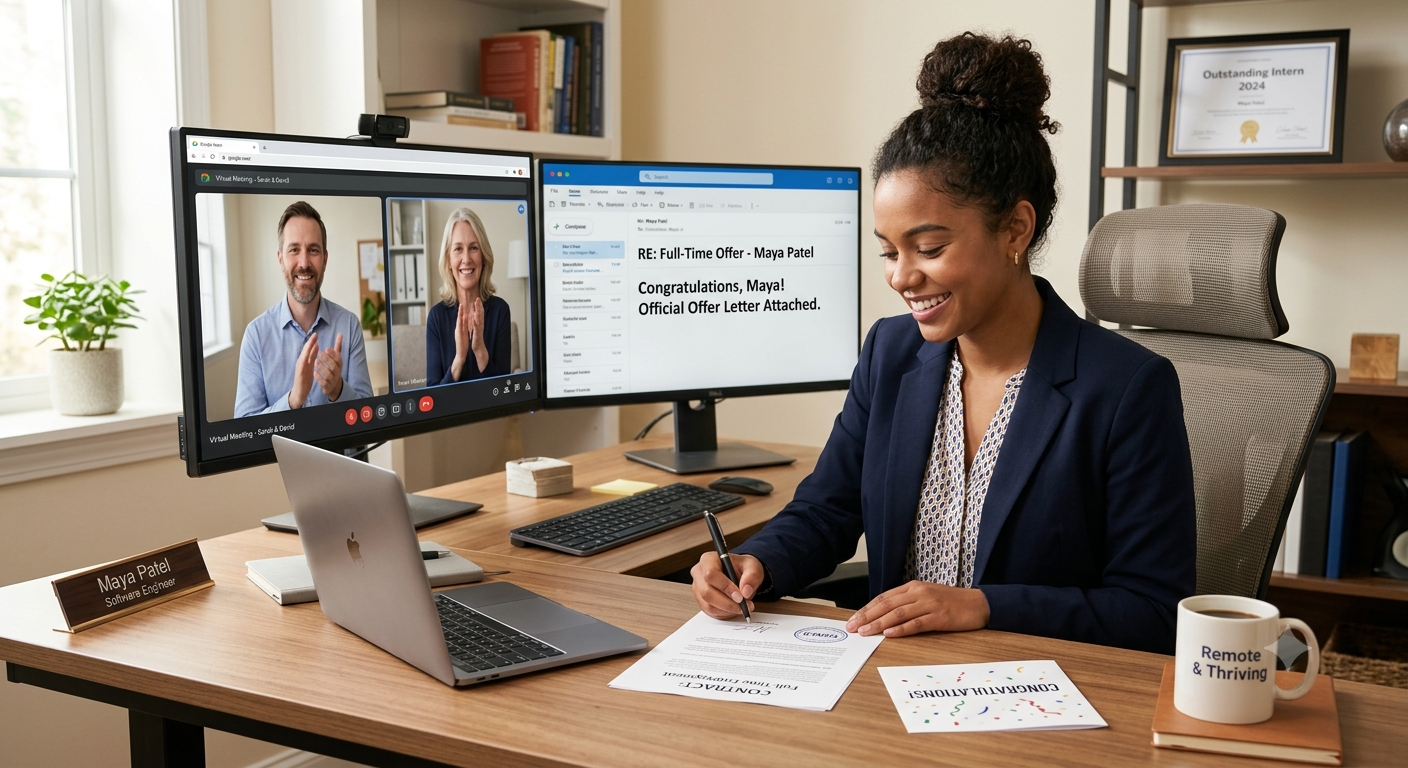
- You can keep work from home or in a remote setup.
- You can earn according to your skills.
- Get global opportunities.
In simple words, freelancing is a type of independence to work, where you earn according to a project or an hour.
Benefits of Freelancing Work
- Flexibility and independence
In working from home, many times you often get a flexible schedule. You can take a break according to your comfort. This independence motivates you and provides you a chance to perform according to your work style. - No travel time and energy saving
The biggest benefit of working from home is that you do not have to travel daily to visit office. You neither have to waste time in traffic nor in extra cost for transport. The time wasted can be utilized in your studies, with families, or hobbies. It also saves energy and increases productivity more. - Comfort of home environment
Working at home with a familiar environment is naturally comfortable. You can choose your favorite spot whether it is a study table, balcony, or a sofa. Home comfort provides you with are relaxed and stress-free atmosphere, which improves your concentration and productivity automatically. - Better work-life balance
You can easily balance your professional and personal life with freelancing. You can spend time with your family, manage daily household responsibilities, and also do your job smoothly. This balance is especially helpful for students or part-time workers who want to manage both studies and work. - Increase productivity and focus.
Many people feel more productive when they work from home. There are unnecessary meetings, gossip, and distraction in the office which ends when workers work from home. That’s why they can work more efficiently.
Turning Freelance Work Into a Full-Time Career
1. Evaluating your most profitable skills for freelance work
The main step is to understand right niche options for yourself. Everyone has a different background and interest, so do not follow any niche blindly.
First, research industries related to your degree like if you are from a commerce background then search for finance marketing or HR fields and if you studied from a science background then explore in healthcare, data science, or technology sectors.
In today’s digital era, emerging niches such as digital marketing, data analysis, UX design, content writing, social media management, artificial intelligence, and cyber security are also growing fast.
There are thousands of categories on Fiverr — but you don’t need to go into all of them. Choose one niche where you’re strong. While selecting your niche, think about what truly interests you and which skill you can stay consistent with. For beginners, having a focused niche is best because it helps clients easily understand what you offer.
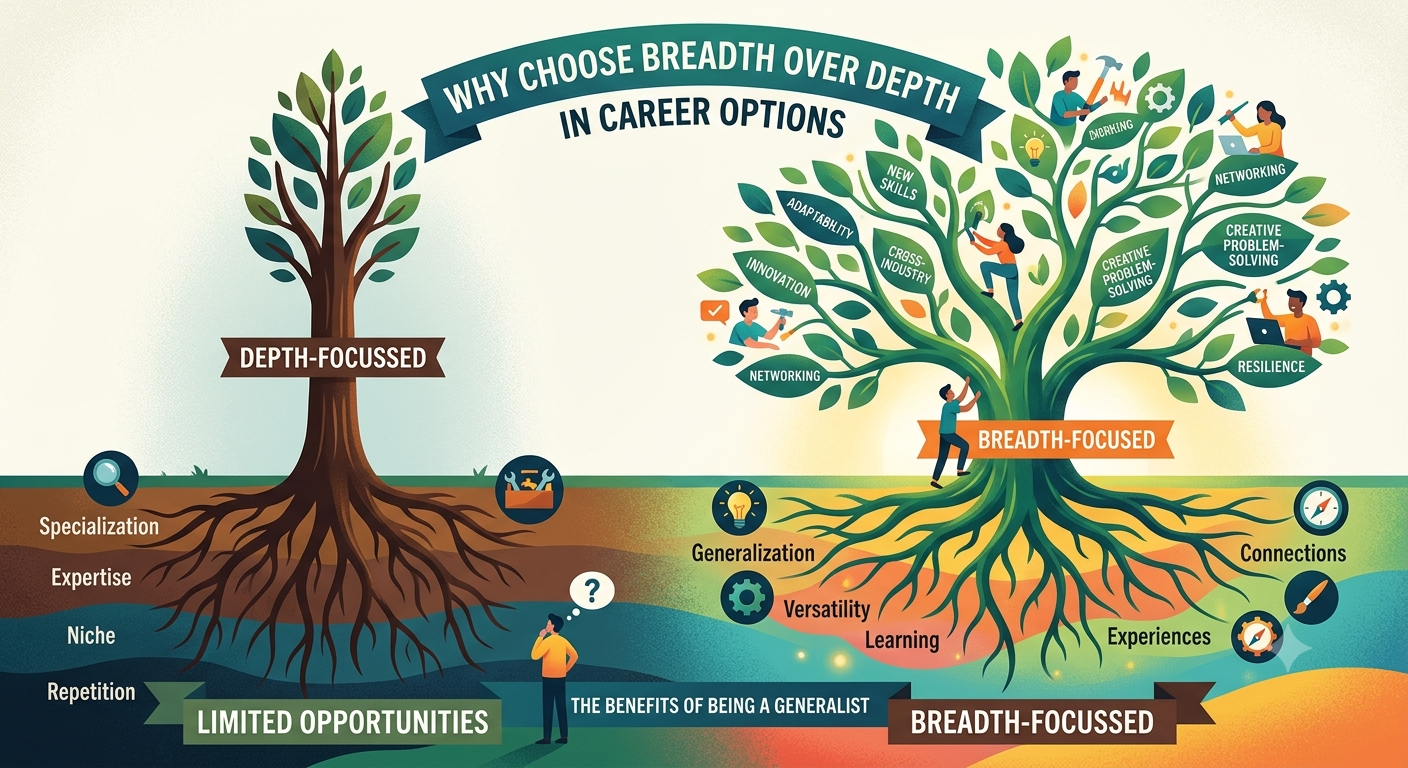
Exploration and experimentation are the most important at this stage. To explore the best niche, you need to try different options.
2. Choose the right platforms to build your freelance career
Choosing the right platform at the right stage of your career can make a huge difference. Why? Because every career stage has different needs — and every platform is designed to serve a specific purpose.
All platforms are useful — but their true impact is felt when used at the right time and stage of your career. Your career is a journey, and choosing the right platform at the right moment can be your fast-track ticket to success.
Every tool has its own unique features. You just need to find the best match based on your needs. Try 2–3 tools, then decide which one is the most helpful for you.
Overview of top freelance platforms;
It is a best job tool to find relevant jobs according to your skills and interests. It is a dynamic job search platform dedicated to connecting talented individuals with leading employers across various industries.
- Has user-friendly interface.
- Provide comprehensive resources to help job seekers find their ideal roles.
- Offer detailed job descriptions, including responsibilities, qualifications, and requirements.
- Ensure candidates have all the information they need to make informed career decisions.
Explore top job opportunities and advance your career with Best Job Tool.
- Best for beginners who want to attract clients fast.
- You create “gigs” offering specific services (e.g., “I will write a 1000-word blog post for $30”).
- Clients search and place orders directly.
- Pros: Easy to start, no proposals needed.
- Cons: Initial competition and low pricing until you build reputation.
- Works similarly to Upwork, where you bid for projects.
- Wide range of categories but can be very price-competitive.
- Good for building early experience.
- Focused on top professionals (only top 3% freelancers accepted).
- Ideal once you have strong experience and portfolio.
- Clients are high-paying companies or startups.
Great for building personal brand and long-term business relationships.
Not a freelance marketplace, but a goldmine for professionals.
You can get clients by posting about your work, engaging in discussions, and directly messaging potential clients.
3. Creating a professional portfolio for freelance work
Your portfolio is a digital proof that allows a client to understand your work and professionalism. That’s why you should not add random samples to your portfolio; instead, include only carefully selected items.
Show Your Best work
Usually, beginners think that if they add a lot of samples then their portfolio will be strong but in reality, quality is the most important. Add 4 or 5 samples that represent your best skills. The client should see your professionalism and creativity with those samples.
Add Different Types of Samples
Every client is different that’s why your portfolio should have variety. If you are a content writer, then include blog post, product description, and social media captions. If you are a designer, then include posters, logo designs, and infographics. Through this client will feel that you are versatile and can handle different projects.
Include Client Testimonial
Ask for a short testimonial, if you have ever worked with any client whether for a small project or a big one. Testimonials increase the trust factor of your portfolio. If you haven’t worked with any client ever then remember to take feedback after the completion of your first project.
Highlight Your Skills, Tools, and Services
Create a separate section in your portfolio to show your skills and tools like Canva, MS Word, WordPress, Grammarly, Photoshop, or any relevant tool. Also, write clearly about your services like blog writing, email, copy writing, social media management, graphic design, etc. Through this client will get a clear idea of what to expect from you.
4. Start with small freelancing work projects
When you start your freelancing career then starting from a small project is a smart decision. In starting getting high-paying projects or bigger clients is difficult, but from small projects you can build experience and credibility both.
You get a chance to understand work through small projects like how to talk with clients, handling deadlines, and managing workflow.
The most important thing is that you get positive reviews from these projects. These reviews build trust in your profile through which you can get bigger clients in the future.
If you want then you can provide a discount at the start or free samples to the client. These feedbacks make your profile more strong and helps you reach to next level project.
5. Create samples for portfolio when you have no clients
If you are a beginner freelancer and haven’t done any client projects till now, then you don’t have to take stress. Every successful freelancer has made a portfolio with their own samples to start. You can also do like them.
Write Mock Projects or Personal Practice Samples
You can create a dummy or practice project according to your niche. Like if you are a content writer, then write an article thinking that it is for a client. And if you are a graphic designer, then create a poster or logo design for any brand. The samples show your creativity and skills.
Do Volunteer Work for Small Businesses, NGO, or for Friends
You can do volunteer projects for free or on a nominal charge like writing a blog for any NGO or designing an Instagram post for any small business. Through this, you will get real-world experience and you can add genuine work samples to your portfolio.
Join Internships or Short-Term Gigs
Internships are very helpful or beginners because here you get a practical project and feedback. You can create samples by joining part-time or remote internship. Weather internship is paid or unpaid, experience and feedback both are valuable.
Create Case Studies to Show Your Problem-Solving Approach
You can create solution-based content for any problem. Like if you are a social media manager, then write about how to increase the followers of any brand or how you can improve their engagement. These case studies show that you are not just creative, but you are also a strategic thinker.

6. Build long-term relationships
Completing only one project on Upwork or on Fiverr should not be a goal. You get real success when you work with long-term clients. When a client is impressed with your work and professionalism then they will hire you again and that is when you create your steady income source. Long-term clients in freelancing are your foundation because they give you stability, trust, and consistent growth.
Tips to build long-term client relationships,
- Always deliver work before the deadline.
- Keep communication clear and professional.
- Take feedback positively.
- Offer improvements and extra value.
- Turn one-time project into your ongoing work.
- Maintain professionalism even after delivery.
A successful freelancer isn’t someone who just completes projects — it’s someone who builds trust and long-term connections with clients. When your client sees you as reliable, skilled, and professional, they hire you again.
7. Start small and build experience
Turning a good career doesn’t happen overnight — start small and grow steadily. Begin by treating it as a side hustle while gaining experience and understanding your audience. Take freelance or project-based opportunities to learn how the market works and to build confidence. In the beginning, offering free or discounted services can help you create your first portfolio and collect testimonials.
Every small project adds value, teaches new lessons, and strengthens your credibility. With time, consistency, and experience, your side hustle can evolve into a full-time, fulfilling career doing what you love.
8. Pricing strategy for your freelance work
Deciding rates can be tricky for beginners. If your rate is higher then the client’s will hesitate and if you set it very low then they will see you as undervalued.
Tips for beginners to set the rate,
- Set a slightly competitive price in starting to start getting clients and reviews.
- Increase your rate as you will gain experience and get positive feedback.
- For example, if the average rate is $20 per hour then start with $10 per hour.
Trust and quality are very important on Upwork. You can increase rates confidently after getting three or four positive reviews.
9. Adding gig images and videos on freelance platforms
Visual presentation matters a lot on freelance platforms.
Image: image should be of high quality and clean. Create a simple design with the help of Canva or Photoshop in which you can show your services clearly.
Video: add a short 30 to 60-second video to tell about your skill. It makes your gig stand out instantly.
Example :
“Hi, I am Pooja a freelance content writer. I help brands grow through engaging blog posts and creative storytelling.”
These videos build trust for the clients.
10. Highlighting your skills & experience effectively
Don’t just list job titles — explain what you actually did. For each role:
- Mention your key responsibilities
- Highlight accomplishments
- Add numbers or results when possible
“Increased blog traffic by 60% in 6 months through SEO strategy and content updates.”
This helps clients understand your impact.
- Skills & Endorsements
Add relevant skills to your profile — focus on your top 10–15. Ask colleagues or past clients to endorse your top skills to build credibility.
Conclusion
Turning freelance work into a full-time career is not something that happens overnight—it is a journey built on consistency, clarity, and continuous improvement. When you treat freelancing as a real business, create strong systems, and invest in your skills, it naturally becomes a sustainable source of income. The shift from part-time projects to a full-time freelance career requires planning, discipline, and the courage to trust your abilities
But once you build a stable client base, maintain financial safety, and position yourself confidently in the market, freelancing becomes more than just work—it becomes a fulfilling and independent way of life. With the right mindset and long-term strategy, anyone can turn their freelance work experience into a successful full-time profession.




Leave a Reply