Introduction
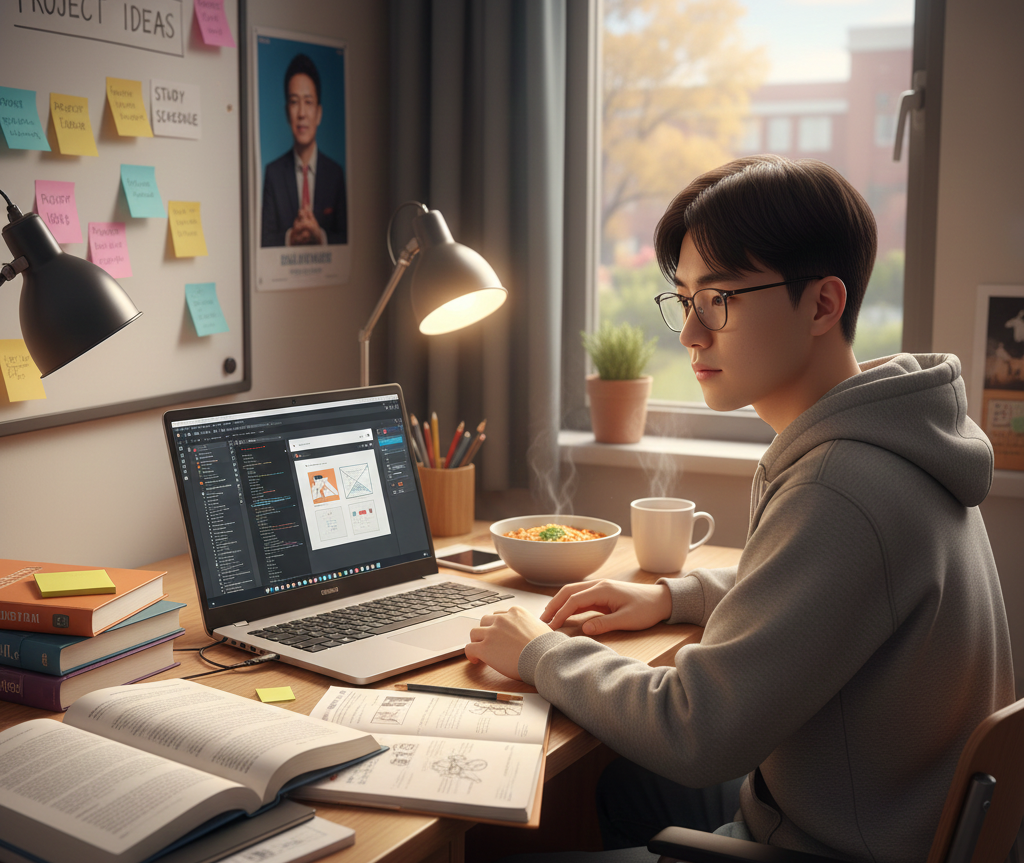
Building skills is important, but showing them matters more. That is why learning how to build a side portfolio while studying can change your career direction early. A strong portfolio proves ability, not just education.
Today, recruiters value practical work over grades alone. They want to see initiative, creativity, and problem-solving. A side portfolio gives you that edge, even before graduation.
This guide explains how to build a side portfolio while studying without burnout. You will learn clear steps, smart strategies, and realistic methods that work alongside academics.
Why a side portfolio matters for students today
Degrees alone no longer guarantee opportunities. Employers now seek proof of applied skills. A side portfolio fills that gap effectively.
It shows how you think, build, and improve. It also highlights consistency and discipline. These qualities matter across industries.
Moreover, a portfolio helps you explore interests safely. You test roles before committing long-term. That clarity saves time later.
Choosing the right skills for your side portfolio
Skill selection shapes portfolio impact. Therefore, choose skills aligned with your career goals. Avoid random projects without direction.
Focus on skills that solve real problems. Practical value attracts attention faster. Trends help, but relevance matters more.
Before deciding, review job listings in your field. Notice repeated requirements. Build around those skills intentionally.
This approach makes your portfolio searchable and meaningful.
How to build a side portfolio while studying without overload
Learning how to build a side portfolio while studying requires balance. You must protect academic performance while growing professionally. Smart planning makes this possible.
Start small and stay consistent. One focused project beats five unfinished ones. Time management keeps stress low.
Use flexible timelines. Avoid strict daily targets. Weekly goals feel more achievable during exams.
Most importantly, integrate learning with projects. That saves time and increases retention.
Practical project ideas that fit student schedules
Not all projects need complexity. Simple, real-world work often creates stronger impact. Choose ideas that fit limited time.
- Personal websites or blogs with clear purpose
- Small tools that solve everyday problems
- Case studies based on real scenarios
- Redesigns of existing products for learning
Each project should show thinking, not perfection. Document decisions and lessons clearly.
This approach builds credibility faster.
Tools and platforms to showcase your portfolio
Visibility matters as much as creation. Therefore, choose platforms that recruiters already use. Accessibility increases reach.
Use clean design and simple navigation. Let work speak clearly. Avoid clutter and unnecessary animations.
Popular platforms include personal websites, GitHub, Behance, or LinkedIn featured sections. Choose what fits your field best.
Consistency across platforms strengthens personal branding.
Documenting your learning process effectively
Recruiters value growth, not just results. Showing your process adds depth to your portfolio. It also builds authenticity.
Explain challenges briefly. Share how you solved them. Highlight what you would improve next time.
This reflection shows maturity and adaptability. These traits attract mentors and employers alike.
Clear documentation also helps during interviews. You recall details easily.
Mistakes students make when building portfolios
Avoiding common mistakes saves time and effort. Many students struggle due to unclear focus.
- Waiting too long to start
- Copying projects without personalization
- Ignoring presentation and context
- Overloading portfolios with weak work
Quality always beats quantity. Curate your best projects only. Update regularly and remove outdated work.
Small improvements create strong impressions.
Turning your side portfolio into career opportunities
A portfolio works best when used strategically. Share it actively, not passively. Visibility drives results.
Add it to LinkedIn profiles and resumes. Mention it during networking conversations. Use it in interviews confidently.
Learning how to build a side portfolio while studying prepares you for opportunities early. It shortens the gap between education and employment.
With the best job tool, you can align your portfolio with real openings faster. Smart matching improves outcomes.
Conclusion: Build early, grow faster, stand stronger
Starting early creates lasting advantages. Mastering how to build a side portfolio while studying helps you gain clarity, confidence, and career momentum.
A side portfolio proves skills, mindset, and initiative. It sets you apart before graduation. Consistency matters more than perfection.
Use the best job tool to discover roles that match your portfolio strengths. Let your work open doors before your degree ends.
Find Your Dream Job Today – Explore Endless Career Opportunities and Secure Your Next Role with the Best Job Tool.

Leave a Reply