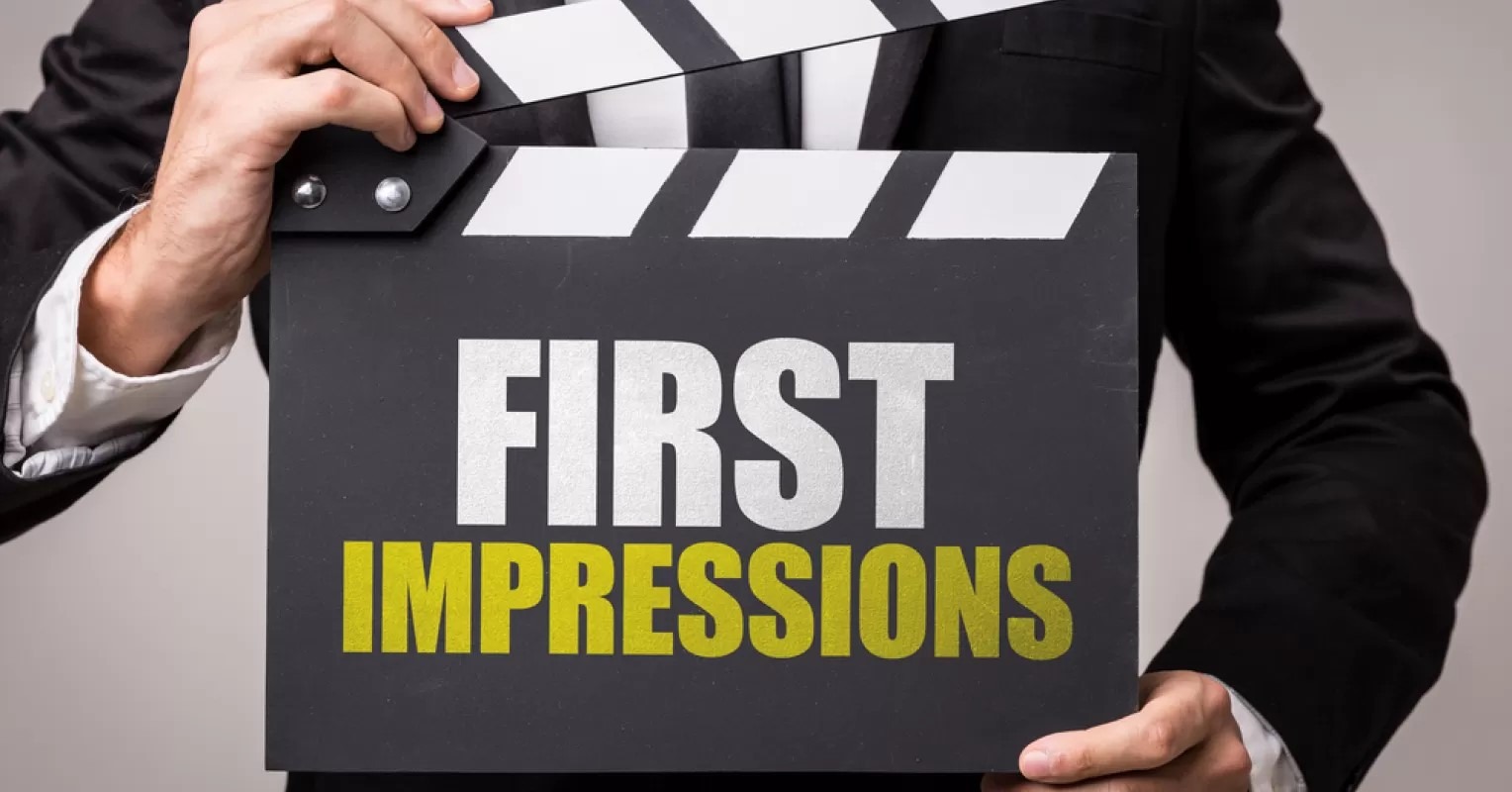
Introduction
Have you ever walked into an interview and felt the interviewer already made up their mind about you even before you started talking? This happens because first impressions are extremely powerful. In psychology, first impressions are called “thin slices of judgment,” meaning people form an opinion about you in very little time.
In job interviews, these first moments matter a lot because interviewers want to quickly understand if you are confident, reliable, and suitable for the role. The interview may last 30 minutes, but the first 7–30 seconds often shape the overall judgement. Once an interviewer forms an impression, it becomes very hard to change.
This article explains the psychology behind first impressions in interviews, how your brain creates these impressions, and how you can use this knowledge to make a strong and positive impact.
Why First Impressions Matter in Interviews?
1. Limited Time to Judge
Interviewers meet many candidates. They do not have time for a deep analysis of every person. So, they use quick mental shortcuts to make decisions. These shortcuts help them understand if:
- You fit the company culture
- You appear confident and capable
- You bring value to the team
This is called heuristic thinking—making decisions fast without long reasoning. Your appearance, voice, behavior, and greeting all become signals for them.
2. First Impressions Become “Filters”
Once a first impression is made, interviewers begin to look for information that supports their early judgment. This is known as confirmation bias.
For example:
- If they think you look professional, they may notice your strong answers more.
- If they think you look unprepared, they may notice small mistakes more.
Psychology says people protect their initial judgment, even when more information comes later. This is why the start of your interview matters.
3. Emotional Brain Reacts First
Our brain has two major thinking systems:
- Fast thinking (emotional, automatic)
- Slow thinking (logical, analytical)
First impressions are formed by the fast thinking system, which reacts instantly. Before the interviewer logically evaluates your skills, their emotional brain evaluates your presence.
How the Brain Forms First Impressions?
1. The Halo Effect Forms First Impressions
The Halo Effect describes how one positive trait creates a positive overall image.
If you enter with good posture and a smile, the interviewer may assume:
- You are confident
- You are responsible
- You are good at teamwork
This may not be true, but the brain connects one good trait to many other qualities.
A neat appearance and confident voice can create a halo around your entire personality.
2. The Horn Effect Forms First Impressions
This is the opposite of the Halo Effect.
One negative trait or moment can create a negative image:
- Frowning expression
- Late arrival
- Weak handshake
- Poor eye contact
- Untidy clothing
Interviewers may then think you are careless or not serious, even if your answers are good.
This shows how small details can influence your entire interview.
3. Primacy Effect Forms First Impressions
The Primacy Effect tells us that people remember the first information more strongly than later information.
So if you start nervous or unclear, even if you improve later, they may still remember the beginning more.
This is why your opening introduction should be clear, calm, and confident.
4. Non-Verbal Communication
Research says more than half of communication happens without words.
In interviews, body language becomes part of first impressions:
- Eye contact shows confidence
- Open posture shows honesty
- Sitting straight shows attention
- Smiling shows friendliness
- Firm handshake shows self-esteem
Interviewers often trust body language more than spoken words.
5. The Liking Principle
People naturally prefer candidates they like.
Interviewers may like you if:
- You seem warm and polite
- You listen actively
- You connect on shared interests
- You show gratitude and respect
The psychology behind this is simple:
People give opportunities to people they like and trust.
6. Mirror Neurons
Humans have mirror neurons, which reflect emotions of others.
If you walk in confidently, the interviewer feels positive energy.
If you appear nervous, they may feel uncomfortable.
Your emotional tone becomes contagious.
A confident presence increases trust and comfort in the room.
7. Stereotypes and Expectations
Interviewers carry unconscious expectations based on:
- Job role
- Industry culture
- Past employees
- Company values
For example, a sales job may expect:
- Energetic attitude
- Strong voice
- Social confidence
A research role may expect:
- Calm tone
- Analytical thinking
- Detailed communication
Understanding expectations helps you match your personality style during first impressions without losing authenticity.

Elements That Shape First Impressions in Interviews
1. Appearance
Appearance does not mean beauty; it means professional presentation.
- Clean clothes
- Neutral colors
- Groomed hair
- Simple accessories
- Light perfume or deodorant
Your appearance communicates respect for the interview and seriousness for the opportunity.
2. Body Language
Key psychological signals:
- Straight posture = confidence
- Chin slightly up = self-belief
- Hands visible = honesty
- Sitting slightly forward = interest
- Nodding gently = engagement
Avoid:
- Crossing arms (defensive)
- Looking around (distraction)
- Slouching (lazy attitude)
- Excess movement (nervousness)
3. Vocal Tone
Your tone carries more meaning than your words:
- Calm tone = maturity
- Clear speech = clarity of mind
- Slow pace = control
- Balanced volume = authority
- Warm voice = kindness
Even saying “Thank you” in a warm tone can increase your likeability.
4. Smile
A natural smile activates positive emotions in the interviewer’s brain.
It signals:
- Approachability
- Friendliness
- Openness
Do not force a smile. Keep it natural and relaxed.
5. Eye Contact
Eye contact shows confidence, honesty, and attention.
Hold eye contact for 3–4 seconds while answering, but do not stare continuously.
Balanced eye contact builds connection.
6. Handshake or Greeting
Not all cultures use handshake, but the first greeting matters:
- “Good morning”
- A polite tone
- Light smile
- Confident introduction
This combination sets the emotional tone for the interview.
7. Introduction
Your first sentence shapes your first impression:
Example:
“My name is Nagma, and I thank you for the opportunity. I am excited to discuss how my writing and research skills can support your team.”
This opening shows:
- Respect
- Confidence
- Clarity
- Gratitude
It creates the Primacy Effect in your favor.
Mistakes That Hurt Impressions
- Arriving late
- Speaking too fast or too slow
- Weak voice volume
- Avoiding eye contact
- Complaining about past jobs
- Untidy dressing
- Using negative words
- Interrupting interviewer
- Overconfidence or arrogance
- Lack of preparation
These mistakes trigger negative biases and reduce your chances.
How to Improve First Impressions: Practical Tips?
Before Interview
- Research company and role
- Choose professional outfit a day before
- Practice your introduction
- Prepare examples of past achievements
- Sleep well and stay hydrated
When You Enter?
- Walk confidently
- Keep posture straight
- Smile gently
- Greet warmly
- Maintain eye contact
During Interview
- Listen actively
- Do not interrupt
- Answer with structure
- Show positive attitude
- Keep stories short but clear
After Interview
- Thank interviewer sincerely
- Maintain friendly tone
- Send thank-you email if required
All these actions strengthen the positive first impression and leave a good final impression as well.
Can You Change Bad First Impressions?
It is difficult, but not impossible.
You need:
- Strong answers
- Consistent confidence
- Polite attitude
- Clear explanations
- Respectful communication
But psychology tells us:
It is easier to create a good impression than to repair a bad one.
So, focus on getting the early moments right.
Examples of Good vs Weak First Impressions
| Situation | Weak Impression | Strong Impression |
|---|---|---|
| Greeting | “Hi” in low voice | “Good morning, nice to meet you” |
| Posture | Slouching | Sitting straight |
| Eye contact | Looking down | Balanced eye contact |
| Hands | Hidden or fidgeting | Visible and calm |
| Speech | Rushed or unclear | Calm and confident |
| Introduction | “I need a job” | “I want to contribute my skills to your team” |
Small changes create big psychological differences.
Why Authenticity Still Matters?
While psychology helps you make a good first impression, do not fake your personality.
Interviewers also sense when someone is pretending.
Authenticity builds long-term trust.
Good first impression + authentic personality = successful interview experience.
Fore more information, also read our another blog on “The Psychology Behind Successful Job Interviews”.
Conclusion
First impressions in interviews are a combination of psychology, behavior, and communication. Interviewers form quick judgments using brain shortcuts, emotional reactions, and visual signals. Once formed, these impressions become hard to change because of confirmation bias and the Primacy Effect.
You can improve first impressions by focusing on:
- Confident appearance
- Warm greeting
- Positive body language
- Clear communication
- Authentic attitude
In the end, remember this simple rule:
“You get only one chance to make a first impression. Make it count.”
If you start strong, you create a positive psychological filter that makes the rest of the interview smoother and more successful.
Read more such blogs here.


Leave a Reply