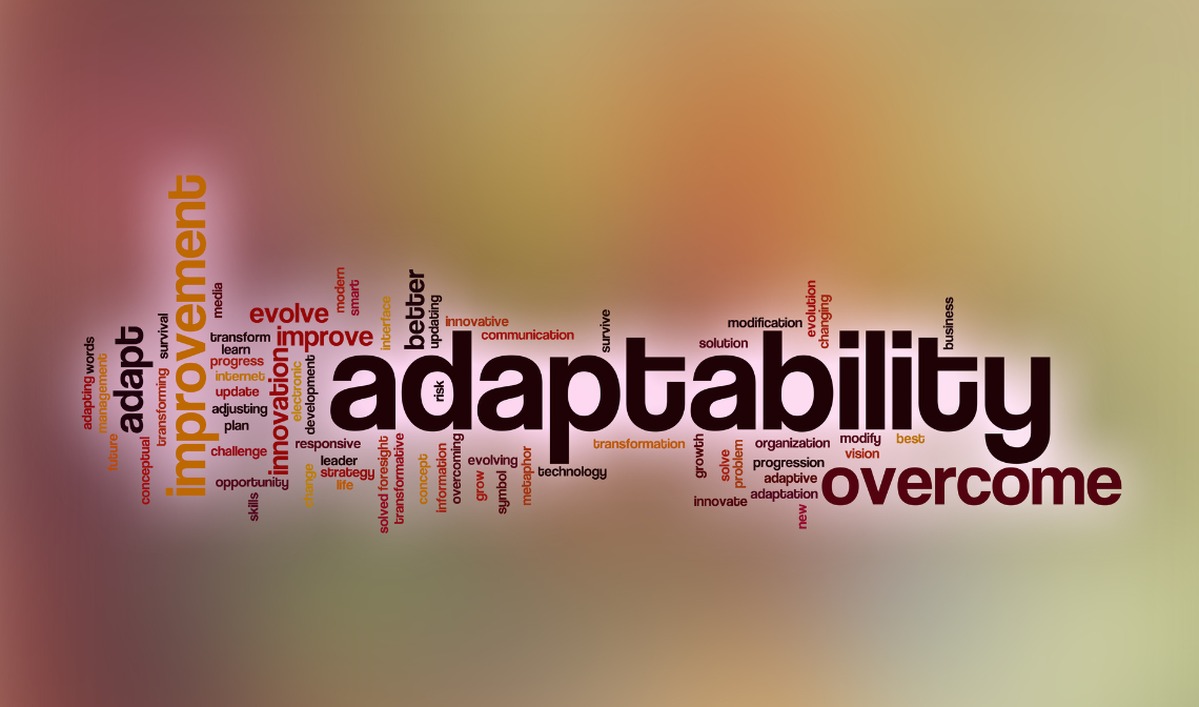
Introduction
In today’s fast-moving world of business, companies face constant changes. New technologies appear every year, customer demands shift quickly, and international competition is increasing. In this environment, global companies want employees who can adjust, learn, and grow with change. This quality is called adaptability.
Adaptability means the ability to adjust your thoughts, actions, and behavior according to new circumstances. It is not only about surviving change but also about using change as an opportunity to improve. Global companies prefer adaptable candidates because they work with different cultures, time zones, technologies, and challenges. When an individual knows how to handle change smoothly, the company becomes stronger, more creative, and more competitive.
In this article, you will understand why adaptability has become one of the most demanded skills, how it benefits global companies, and what candidates can do to show adaptability in their career.
What Is Adaptability?
Adaptability is the skill of being flexible and open to new ideas, situations, and environments. An adaptable person is not afraid of change. They look for ways to adjust instead of resisting. Adaptability includes many small behaviors such as learning new tools, accepting feedback, changing work style according to the team, and staying calm during unexpected situations.
For example, when a company introduces new software, an adaptable employee tries to learn it quickly instead of complaining. When a sudden project change happens, they reorganize their work instead of saying “I can’t do this.” Adaptability is a mix of openness, willingness to learn, emotional control, and problem-solving.
Why Global Companies Prefer Adaptable Candidates?
1. The Global Business World Keeps Changing
Global businesses operate in environments where nothing stays the same for long. Markets change, competitors change, and customer expectations change. A strategy that works today may not work tomorrow. Because of this, companies need employees who adjust fast.
For example, remote work technologies became widely used across the world after the pandemic. Companies with adaptable employees moved forward quickly, while others struggled. Adaptable workers help companies handle uncertainty without stopping work.
2. Adaptability Helps Companies Stay Innovative
Innovation means creating new solutions, products, or methods. An adaptable employee welcomes creativity and experimentation. They are not stuck with old habits. They try new approaches and learn from mistakes. This attitude helps companies stay innovative.
For example, when a company is building a new product, adaptable employees bring fresh ideas, accept constructive criticism, and improve designs again and again. Instead of saying “this is not possible,” they ask, “how can we make this possible?” Global companies need innovation to stay ahead in the market, and innovation needs adaptability.
3. Global Teams Require Cultural Flexibility
International companies have employees from different countries, backgrounds, and cultures. Communication styles, workplace habits, and expectations can be very different. Adaptable employees adjust to these cultural differences smoothly.
For example, direct communication may be normal in some countries, while in others indirect communication is preferred. An adaptable candidate understands and respects these differences and works comfortably with everyone. This reduces conflicts, improves teamwork, and builds trust across borders.
4. Adaptability Helps in Learning New Technologies
Technology evolves extremely fast. Artificial intelligence, automation, cloud systems, and data tools are changing the work environment every year. Companies need workers who do not fear technology but show interest in learning.
If an employee is adaptable, they will quickly understand how new tools work and how to use them in daily tasks. This reduces training time and increases productivity. Companies save money and stay competitive when employees keep their technical skills up-to-date.
5. Adaptability Supports Remote and Hybrid Work
Today many global companies work in remote or hybrid systems. Employees might collaborate with teammates in different countries and time zones. Adaptable candidates can manage their schedule, adjust communication styles, work independently, and deal with changing routines.
For example, sometimes a meeting may be late at night because of time differences. Sometimes a project might require travel or virtual presentations. Adaptable employees stay professional and deliver quality work without losing balance.
6. Adaptable Workers Handle Pressure and Uncertainty Better
Global companies face sudden changes: market crashes, supply chain problems, economic slowdown, or new competitors. Employees who panic create more problems. But adaptable employees stay calm, analyze the situation, and find solutions.
This emotional stability is very valuable. It prevents workplace stress, improves mental health, and keeps workflow smooth even during challenges.
7. Adaptability Helps Employees Grow Their Career
Companies invest in people who can grow. Adaptable employees are fast learners, so they become ready for higher positions. They can transition between roles, lead teams, manage projects, and solve new problems. Because of this, global companies prefer adaptable candidates for promotions, leadership roles, or international assignments.
When an employee is adaptable, their career becomes more stable and diverse. They can survive industry changes, economic shifts, and new roles without fear.
8. Adaptable Candidates Are Problem Solvers
Adaptability and problem-solving are strongly connected. When something unexpected happens, an adaptable candidate does not wait for instructions. They analyze the situation, consider options, and make decisions. This proactive behavior saves time and protects company goals.
For example, if a supplier fails to deliver materials on time, an adaptable employee will search for new suppliers or modify production steps instead of stopping work. Global companies value this attitude because it improves efficiency and customer satisfaction.
9. Adaptability Improves Leadership and Team Management
Leaders must guide teams through change. Leadership is not only giving orders; it is also inspiring confidence during uncertainty. Adaptable leaders stay calm, listen to feedback, and motivate others to accept change.
Global companies want future leaders who can manage multicultural teams, changing projects, and different customer needs. Adaptable candidates are strong leadership material because they are flexible yet focused.
How Adaptability Benefits the Company and the Employee?
| Benefit for Companies | Benefit for Employees |
|---|---|
| Faster reaction to market trends | Higher chances of promotion |
| Better innovation | More learning opportunities |
| Smooth cultural collaboration | Strong global career potential |
| High productivity | Greater job satisfaction |
| Less training cost | Personal and professional growth |
| Stronger resilience | Ability to work anywhere |
Both sides win when adaptability becomes part of work culture.
How Candidates Can Show Adaptability in Resumes and Interviews?
Global companies do not only want adaptability; they want proof of it. Here are practical ways to show adaptability in your professional profile:
1. Mention times you learned new tools
Example: “Learned CRM software within two weeks and improved client communication efficiency.”
2. Share experiences working with international or diverse teams
Example: “Collaborated with teammates from three countries to complete a research project.”
3. Describe challenges you solved during sudden changes
Example: “Managed project delivery during vendor shortage by redesigning schedule and resource distribution.”
4. Include volunteer work, side projects, or freelance tasks
These show flexibility and willingness to explore.
5. In interviews, talk about attitude toward feedback
Global companies value employees who learn from feedback instead of becoming defensive.
6. Give examples where you stayed calm under pressure
This proves emotional control and maturity.
7. Show curiosity and openness to learning
Talk about courses, certifications, or books you read to improve skills.
How to Improve Adaptability in Daily Life?
Adaptability is a skill you can develop. Here are simple steps:
- Accept change as part of growth
- Learn from feedback instead of feeling hurt
- Try new tools and technologies regularly
- Practice patience when tasks change suddenly
- Read about different cultures and communication styles
- Stay calm in unexpected situations
- Keep curiosity alive and ask questions
- Try new methods instead of repeating old habits
- Practice time management and organization for flexible work
- Observe how adaptable people behave and learn from them
Improving adaptability is not a one-time task. It is a continuous process, like fitness. The more you practice, the stronger you become.
The Future of Work and the Role of Adaptability
The future of work will be more dynamic than ever. Artificial intelligence will automate many tasks. Jobs will change rapidly. New roles that do not exist today will appear in the next 10 years. To survive and grow in such a world, adaptability is essential.
Companies will continue hiring adaptable candidates because they:
- stay motivated during change
- keep learning
- embrace technology
- communicate across cultures
- solve problems creatively
- handle pressure with confidence
Adaptability is no longer an optional soft skill. It is a core requirement for global success.
You can also read “Why companies prefer detail-oriented candidates”.
Conclusion
Global companies prefer candidates with adaptability because the modern world is full of change. Technologies evolve, customer needs shift, and the workplace becomes more international. Adaptable employees help companies stay innovative, productive, and stable during unpredictable times. They support teamwork, encourage creativity, handle pressure wisely, and adjust their work style according to situations.
For candidates, adaptability unlocks career growth, leadership chances, international opportunities, and lifelong learning. It is a skill that protects careers and strengthens confidence.
If you want to build a successful professional journey, start practicing adaptability today. Stay open, flexible, and curious. Accept change as your teacher, and you will always move forward. In the global workplace, adaptability is not just a skill — it is your future strength.
Explore more career related blogs here.
Leave a Reply