
Introduction
Earlier, having technical skills and experience was enough, but now recruiters prefer candidates who have emotional intelligence, can understand their own emotions, respect the emotions of others, and react calmly in professional situations.
Emotional intelligence is a skill that helps you everywhere—whether in interviews, teamwork, or long-term career growth. When you are emotionally intelligent, you demonstrate self-awareness, empathy, and adaptability, which sends a strong signal to recruiters that you are valuable for the team and the company.
In this article, we will explore how emotional intelligence influences hiring decisions and why it is an important factor in today’s workplaces.
How Emotional Intelligence Influences Hiring?
1. Emotional Intelligence Shows Self-Awareness
The meaning of self-awareness is understanding your strengths and weaknesses. When a candidate expresses their skills and areas for improvement honestly, the recruiter feels that the candidate is serious about their growth. If you hide your weaknesses or show overconfidence, the recruiter may have doubts. A candidate who shows self-awareness appears confident and grounded, which positively influences hiring decisions.
2. Emotional Intelligence Helps Handle Interview Pressure
Interviews can be stressful, and many candidates feel nervous. Through emotional intelligence, candidates can control their nervousness, answer calmly, and stay composed under pressure. Recruiters are naturally attracted to candidates who can handle stress, as this quality is very valuable in the workplace.
3. Improves Communication Skills
Communication skills are an important part of emotional intelligence. If you communicate clearly and respectfully, the recruiter can easily understand that you can communicate effectively. Emotionally intelligent candidates listen actively, give thoughtful answers, and pay attention to their body language and tone. This quality leaves a strong impression on the recruiter and improves hiring chances.
4. Emotional Intelligence Builds Trust Quickly
Emotionally intelligent candidates also appear trustworthy. When you show honesty and sincerity through your body language, tone, and words, the recruiter immediately feels that you are a reliable candidate. Building trust makes the recruiter confident that you will contribute positively to the team. This quality is very important in the hiring process because recruiters prefer candidates who can adjust easily to the team and company culture.
5. Reflects Strong Teamwork Ability
Emotional intelligence improves communication and understanding between team members. When team members understand the emotions of each other’s than communication becomes clearer and respectful. People can share ideas freely in this environment and collaboration becomes strong naturally, which improves productivity and creativity.
Conflict is normal in teamwork but emotionally intelligent people handle that calmly. They listen to others and try to understand the situation instead of reacting immediately. It helps to decrease unnecessary misunderstandings and problems get solved easily which helps to create a healthy and peaceful work environment.
When team members understand each other’s emotions and perspectives then they build trust for each other. Emotionally intelligent people show empathy and value everyone’s contribution. It creates mutual respect for everyone in the team and everyone feels important.
6. Emotional Intelligence Demonstrates Empathy
Empathy means understanding others’ emotions and perspectives. When you are emotionally intelligent, you respect the viewpoints of your colleagues, clients, and even past employers. Recruiters love candidates who are empathetic because it builds positive relationships within the team and reduces misunderstandings. Showing empathy also proves that you can easily adjust to your team and company culture.
7. Reduces Workplace Conflicts
Workplace conflicts are common, but emotionally intelligent candidates handle them maturely. These candidates do not take arguments or disagreements personally; they handle situations calmly and focus on solutions. Recruiters know that such candidates are valuable for the organization because they maintain a positive environment and improve team productivity.
8. Emotional Intelligence Shows Openness to Feedback
Taking feedback and applying it positively is another important part of emotional intelligence. If you take feedback as a learning opportunity, recruiters feel that you work with a growth mindset. This quality is very important because every role requires improvement and adaptability, and candidates who accept feedback are ready for long-term success.
9. Indicates Leadership Potential
Emotionally intelligent candidates understand their team’s dynamics and connect with them. They inspire to perform best. These leaders create a positive environment where people can easily share ideas. The focus is not only about results; they also focus on people’s growth.
When the situation is tough emotionally intelligent leaders do not panic. They control their emotions and think with a calm mind. It helps them to make logical and fair decisions. These leaders teach their team members how to stay composed during times of stress.
Every leader has to face criticism in their career. Emotionally intelligent leaders do not take that personally instead take it as a chance for improvement. They use a respectful tone while taking and giving feedback.
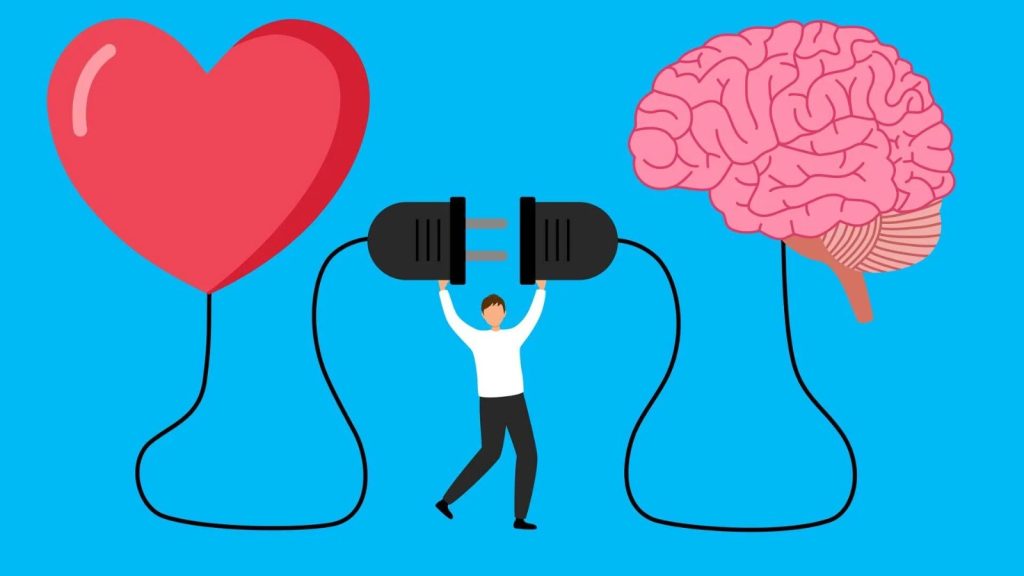
How to Develop Emotional Intelligence?
- Practice active listening and empathy
The first step in developing emotional intelligence is listening actively. Not just understanding the words, but you should also understand the emotions and feelings of others. When you genuinely listen to others and try to understand the situation then empathy is built naturally. This skill makes you strong in personal as well as professional relationships. - Self-reflection and journaling to build self-awareness
Understanding self-emotions is as important as understanding others. Take out time regularly and write down your thoughts and reactions like how and why you feel in any situation. This self-reflection helps you to understand your emotional trigger. Through journaling you get clarity and can track your emotional growth. - Seeking feedback and learning emotional control techniques
Sometimes we cannot see our blind spots on our own. That’s why taking honest feedback from our colleagues and friends is helpful. You can understand how your behavior affects other people. Deep breathing, meditation, or short breaks are also very effective for emotional control. - Continuous personal and professional development
Emotional intelligence is a lifelong skill and you need to practice it regularly. Read books, attend workshops, or see videos on the topic of emotional intelligence. Try to learn from every new experience and make small improvements in your behavior. Slowly you will increase your confidence, patience, and understanding.
You should also aware “The Importance of Emotional Intelligence in the Workplace”.
Conclusion
Emotional intelligence has become a key factor in hiring decisions. While technical skills and experience remain important, recruiters increasingly prioritize candidates who demonstrate self-awareness, empathy, effective communication, and the ability to handle workplace challenges gracefully.
Emotionally intelligent employees not only fit better within teams but also contribute to a positive work environment, show leadership potential, and adapt more easily to change. For candidates, developing emotional intelligence can be just as crucial as building professional skills, as it significantly influences both interview success and long-term career growth.
You can explore more such blogs with Best Job Tool.


Leave a Reply