
Introduction
In today’s professional world, job titles alone do not fully define a person’s career journey. Many people change roles, work in different industries, or grow within the same position without a title change. Recruiters and employers now focus more on growth, skills, and impact rather than just designations. Highlighting growth over job titles helps you present your true value and shows how you have evolved professionally.
This article explains why growth matters more than titles and how you can effectively highlight your progress, learning, and achievements in your resume, LinkedIn profile, and interviews.
Why Job Titles Are Not Enough?
Job titles can be misleading. The same title can mean different responsibilities in different companies. For example, a “Content Writer” in one company may handle only blogs, while in another company the same title may include SEO strategy, email marketing, and social media management.
Because of this, recruiters do not rely only on titles. They want to know:
- What skills you developed
- What problems you solved
- How your responsibilities increased over time
- What results you delivered
Growth tells this story clearly, while job titles often fail to do so.
What Does Career Growth Really Mean?
Career growth is not only about promotions. It includes:
- Learning new skills
- Taking on more responsibility
- Improving performance and results
- Handling complex tasks
- Leading projects or people
Even if your title stayed the same, your growth can still be strong and meaningful.
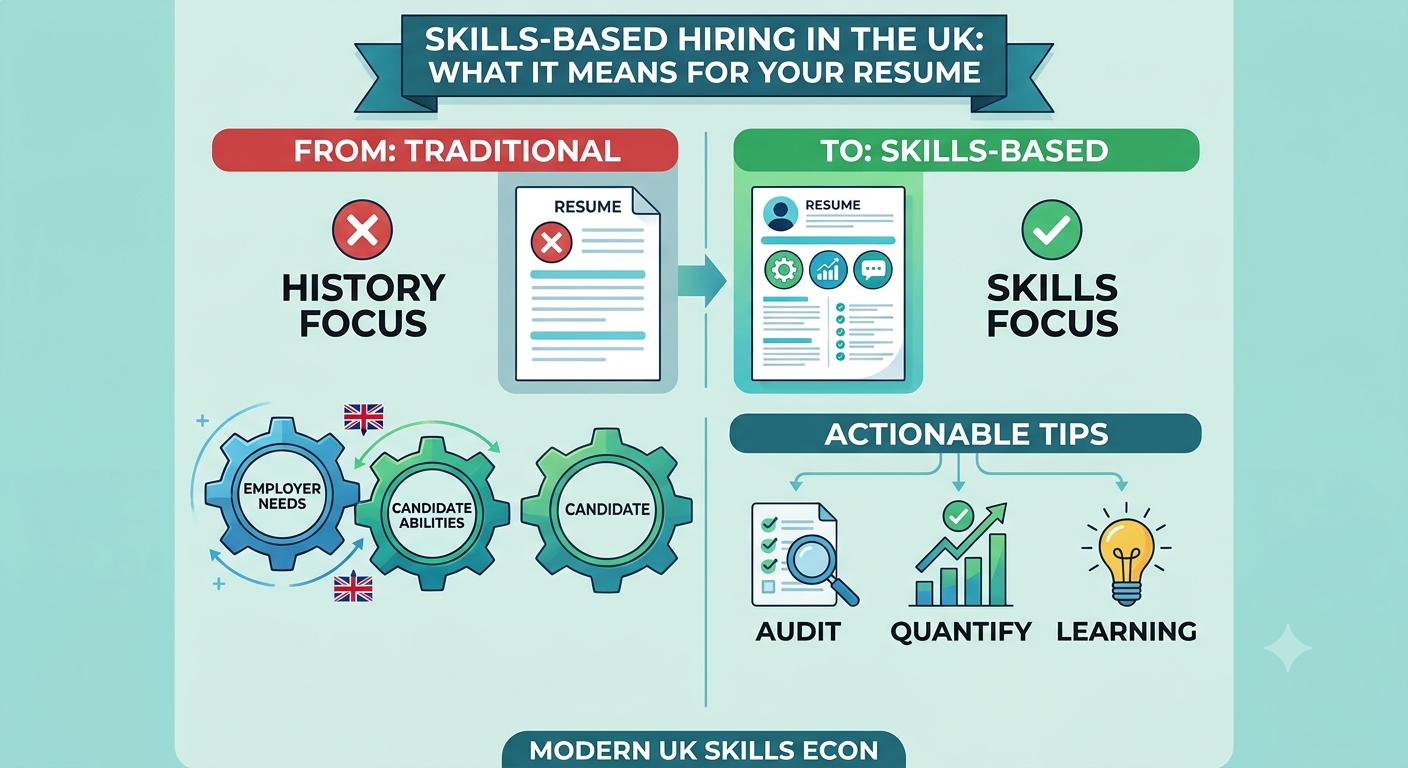
Shift the Focus From “Who You Were” to “What You Did”
Instead of introducing yourself only by your designation, focus on your work and progress.
For example:
- Instead of: I was a Junior Analyst
- Say: I analyzed data, created reports, and later handled client presentations and strategy discussions
This approach shows development and learning, not just a static role.
Use Achievement-Based Descriptions to Highlight Growth
Achievements clearly show growth. They explain how your work improved over time and what value you added.
How to Do This:
- Start with action words
- Mention progress and outcomes
- Show improvement in quality, speed, or scale
Example:
- Started by writing basic articles and later managed high-performing content that increased website traffic by 40%.
This reflects growth even without a title change.
Show Increasing Responsibility Over Time
One of the best ways to highlight growth is by showing how your responsibilities expanded.
You can do this by:
- Grouping similar roles together
- Mentioning new duties added over time
- Showing trust given by managers
Example:
- Initially supported the team with research, later independently handled client projects and mentored new team members.
This tells a clear growth story.
Highlight Skill Progression Clearly
Skills are strong indicators of growth. Make sure to show how your skill set evolved.
Tips:
- Mention beginner to advanced skill journey
- Add tools, technologies, or methods you learned
- Connect skills with real work
Example:
- Learned basic SEO practices and later planned keyword strategies and content calendars.
This shows learning and maturity in your role.
Use Metrics to Prove Growth
Numbers make your growth believable. They help recruiters understand your impact quickly.
You can include:
- Percentage improvement
- Revenue impact
- Time saved
- Audience growth
Example:
- Improved customer response time by 30% within six months.
Metrics turn your growth into evidence.
Combine Multiple Roles Under One Heading
If you held similar roles with different titles, combine them under one experience section.
Example:
- Marketing Executive / Digital Marketing Specialist
Under this, explain how your role evolved instead of separating them unnecessarily. This reduces confusion and keeps the focus.
Highlight Learning and Upskilling
Learning is a strong sign of growth. Employers value professionals who invest in self-improvement.
Include:
- Courses
- Certifications
- Workshops
- Self-learning projects
Mention how these learnings helped you perform better at work.
Example:
- Completed content marketing certification and applied strategies that improved engagement rates.
Use a Strong Professional Summary
Your summary is the first place to highlight growth. Instead of listing titles, focus on experience, skills, and progress.
Example:
- Content writer with 3+ years of experience, evolved from writing basic blogs to managing SEO-driven content strategies and mentoring junior writers.
This immediately sets the tone.
Highlight Growth in the Same Role
Many professionals grow without changing jobs or titles. This growth is equally valuable.
Explain:
- How your confidence improved
- How your decision-making expanded
- How your role became more independent
Example:
- Handled projects independently after the first year and contributed to planning and strategy meetings.
Show Leadership Without a Manager Title
Leadership is not limited to managers. You can show leadership through:
- Guiding teammates
- Owning projects
- Training new hires
- Taking initiative
Example:
- Led content planning meetings and guided interns on writing standards.
This reflects maturity and growth.
Focus on Impact, Not Hierarchy
Employers care more about what changed because of your work than your place in hierarchy.
Instead of stressing seniority, explain:
- Business impact
- Process improvement
- Team contribution
Example:
- Streamlined content workflow, reducing revision time and improving delivery speed.
Use Career Progression Language
Words matter. Use language that naturally reflects growth.
Examples of growth-focused words:
- Progressed
- Expanded
- Advanced
- Developed
- Took ownership
- Led
These words subtly communicate development.
Highlight Cross-Functional Exposure
Working with different teams shows growth and adaptability.
Mention collaboration with:
- Sales teams
- Designers
- Developers
- Clients
Example:
- Worked closely with design and marketing teams to improve campaign performance.
This shows broader experience beyond your title.
Customize Growth for Each Opportunity
Different jobs value different types of growth. Customize your resume to highlight the most relevant progress.
For example:
- For leadership roles, focus on mentoring and decision-making
- For technical roles, focus on skill depth and complexity
This keeps your profile aligned with job requirements.
Address Title Concerns Proactively
If your title sounds junior but your work was advanced, clarify it through description.
Example:
- Although the title was Associate, the role involved handling full-cycle projects and client communication.
This removes doubt.
Use LinkedIn to Tell a Growth Story
LinkedIn allows more space to explain your journey.
You can:
- Update your headline with skills, not titles
- Share posts about learning and achievements
- Add detailed experience descriptions
Prepare Growth-Focused Interview Answers
In interviews, talk about:
- How you started
- What you learned
- How you improved
- What you handle now
This structure clearly shows development and readiness for new challenges.
Common Mistakes to Avoid
- Listing only job titles
- Repeating the same duties for every role
- Ignoring learning and skill development
- Undervaluing small improvements
Avoid these to keep your profile strong and meaningful.
Why Employers Prefer Growth-Oriented Profiles?
Growth-oriented profiles show:
- Adaptability
- Learning mindset
- Long-term potential
- Problem-solving ability
These qualities matter more than static titles in a fast-changing job market.
Conclusion
Job titles may open doors, but growth keeps them open. By highlighting your learning, responsibilities, skills, and impact, you present a complete and honest picture of your professional journey. Focus on what you did, how you improved, and what value you created. When growth becomes the center of your story, job titles naturally become less important, and your true potential stands out clearly.
You can read more such blogs here.


Leave a Reply