Introduction
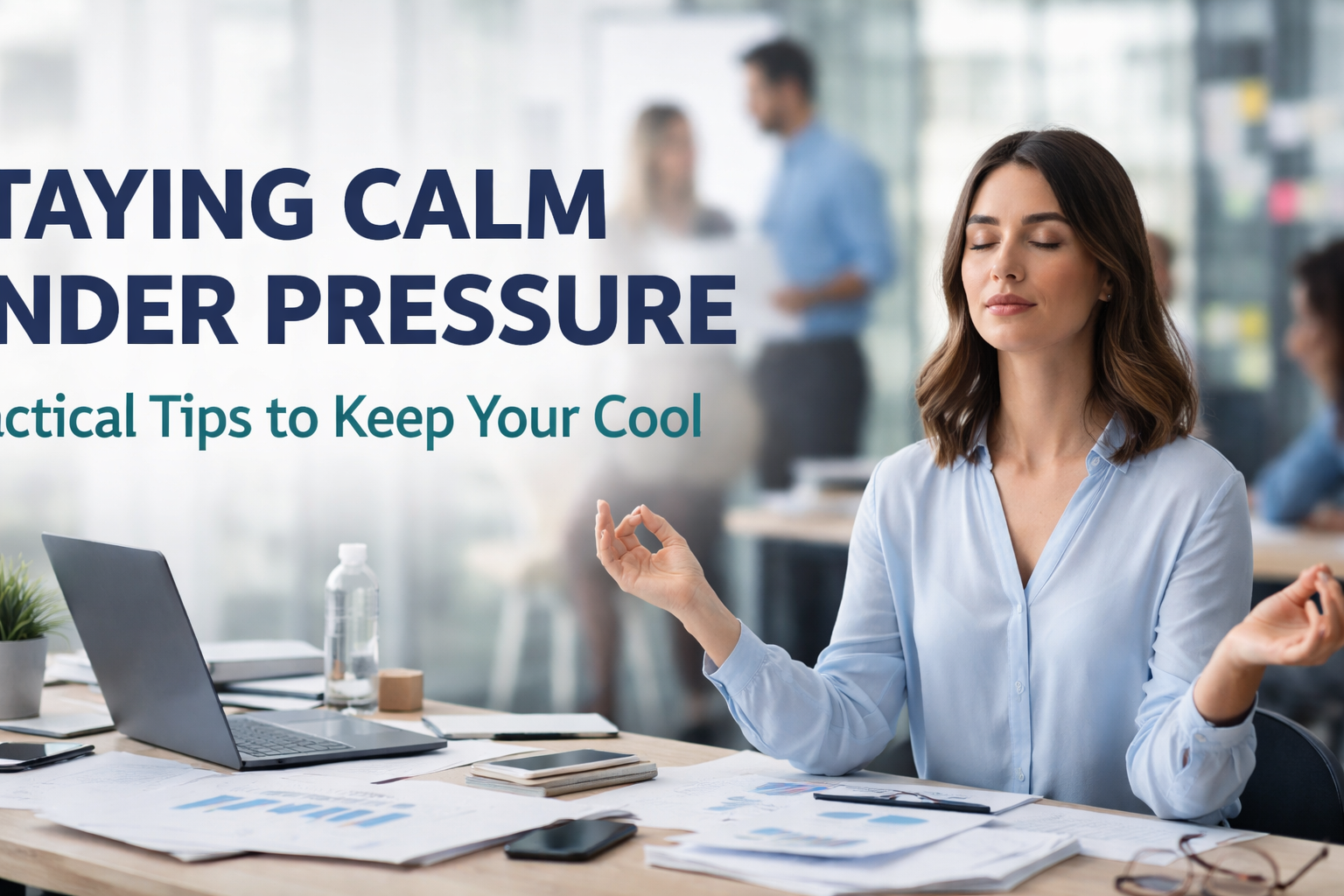
Pressure is everywhere—whether at the workplace or at home. We cannot ignore pressure or completely avoid it. Almost everything in life involves some kind of pressure, and learning how to develop calm in pressure is very important if we want to work efficiently.
The most important thing in controlling pressure is calmness. If we fail to handle pressure calmly, it can lead to many problems, such as not completing work on time, a decrease in the quality of work, and feeling burned out. That is why developing the ability to stay calm under pressure is extremely important.
In this article, we are going to discuss why staying calm under pressure matters and how to develop calm under pressure.
Why Staying Calm Under Pressure Matters?
Before learning tips to develop calmness, it is important to understand why staying calm under pressure is important.
It is important because it directly affects our work. When we do any task while staying calm, we are able to think clearly and thoughtfully. We analyze situations properly, think logically, and then try to find effective solutions. However, when we start panicking under pressure, even if the problem is small, we are not able to think clearly. As a result, our ability to find solutions decreases, and our work gets negatively affected.
Calmness also improves performance when pressure is high. During stressful situations, focus usually breaks, but staying calm allows us to concentrate on the task instead of worrying about outcomes.
How to Develop Calm Under Pressure?
1. Self-Awareness: The First Step to Develop Calm
The first tip to develop calmness is self-awareness. Until you understand which problems feel most difficult for you and which situations bother you the most, it is not possible to find the right solutions to those problems.
Self-awareness means understanding your thoughts, emotions, and physical reactions clearly. Whenever you start feeling stressed, there are certain signs that indicate it. Once you recognize these signs, you realize that you are feeling stressed, and then you can stop it or manage it as early as possible.
2. Breathing Techniques to Instantly Reduce Pressure
Breathing is one of the most effective ways to keep the mind calm. Whenever we feel stressed, our breathing becomes shallow, which increases panic even more. That is why controlling our breathing is very important to keep ourselves safe from pressure.
With a few simple breathing techniques, we can instantly reduce pressure. For example, deep breathing helps relax the body. Another effective method is box breathing, which means inhaling for 4 seconds, holding for 4 seconds, exhaling for 4 seconds, and then holding again for 4 seconds. One more useful technique is slow breathing, which also helps in reducing tension.
By practicing these breathing techniques, you can stay calm during stressful situations and reduce tension. As a result, both your health and your work performance improve.
3. Managing Your Thoughts Under Pressure
Another effective way to develop calmness is managing your thoughts under pressure. During stressful situations, we usually start thinking negatively. Because of this, our mind begins to imagine worst-case scenarios, self-doubt increases, focus breaks, and we start feeling nervous. That is why managing your thoughts during pressure is extremely important.
To keep your thoughts under control, become aware of your thought patterns. Notice what you are telling yourself when pressure rises. Try to stay present instead of overthinking the future. You can also practice positive and realistic self-talk to build confidence and remain calm in challenging situations.
4. Preparation Reduces Pressure
Preparation is also a very effective way to reduce pressure and stay calm. Most of the time, we feel stressed when we are not prepared for something. We start feeling scared about how we will handle things, and our confidence begins to drop. However, when we are prepared—whether it is for a work deadline, an interview, or a presentation—we clearly know what to do, when to do it, and how to do it. This clarity keeps our confidence strong and prevents negative thinking, helping us stay calm during pressure.
Preparation gives clarity, and being prepared also improves decision-making under pressure. It reduces last-minute panic and poor planning, which often lead to mistakes and emotional overwhelm. That is why preparation is important—it helps turn pressure into confidence.

5. Time Management and Priority Setting
To develop calmness, time management and priority setting help a lot. When tasks pile up and deadlines get closer, stress and anxiety start increasing. However, if we manage our time well and give priority to important tasks, we can significantly reduce tension. This is because our work is already planned according to time, and we know that it will be completed on schedule.
That is why time management and clear priority setting are important. They bring structure to your work, reduce last-minute pressure, and help you stay calm and focused even during busy or demanding periods.
6. Body–Mind Connection to Develop Calm
The body and mind are connected to each other. When the body feels tired or unhealthy, it directly affects the brain, and the mind also starts feeling stressed and under pressure. That is why a calm and healthy body supports a calm mind.
To stay physically strong, we need proper sleep, good nutrition, and regular exercise. When we are physically strong, we also become mentally strong, and this mental strength is one of the major reasons for staying calm under pressure.
7. Learning from Calm People
Around us, there are many people who are very aggressive, while some people remain calm no matter how difficult the situation is. Such calm individuals are rare, but they handle every situation—big or small—with patience and control.
If you have such people around you, observe them closely. Notice what they do that helps them stay calm under pressure. You can also take advice from them and learn from their experiences. Learning from calm and composed people can help you develop the same mindset and behavior in challenging situations.
You can also read “How to Handle Interview Pressure Calmly”.
Conclusion
By understanding yourself, managing your thoughts, regulating emotions, preparing in advance, managing time wisely, and maintaining a healthy body–mind connection, calmness becomes a natural response rather than a struggle. These habits help you think clearly, act confidently, and handle challenges with maturity.
Calmness does not mean avoiding problems—it means facing them with control and clarity. When you learn to stay calm under pressure, you build resilience, confidence, and a mindset that supports long-term success in both personal and professional life.
To explore more such blogs, visit here.

Leave a Reply