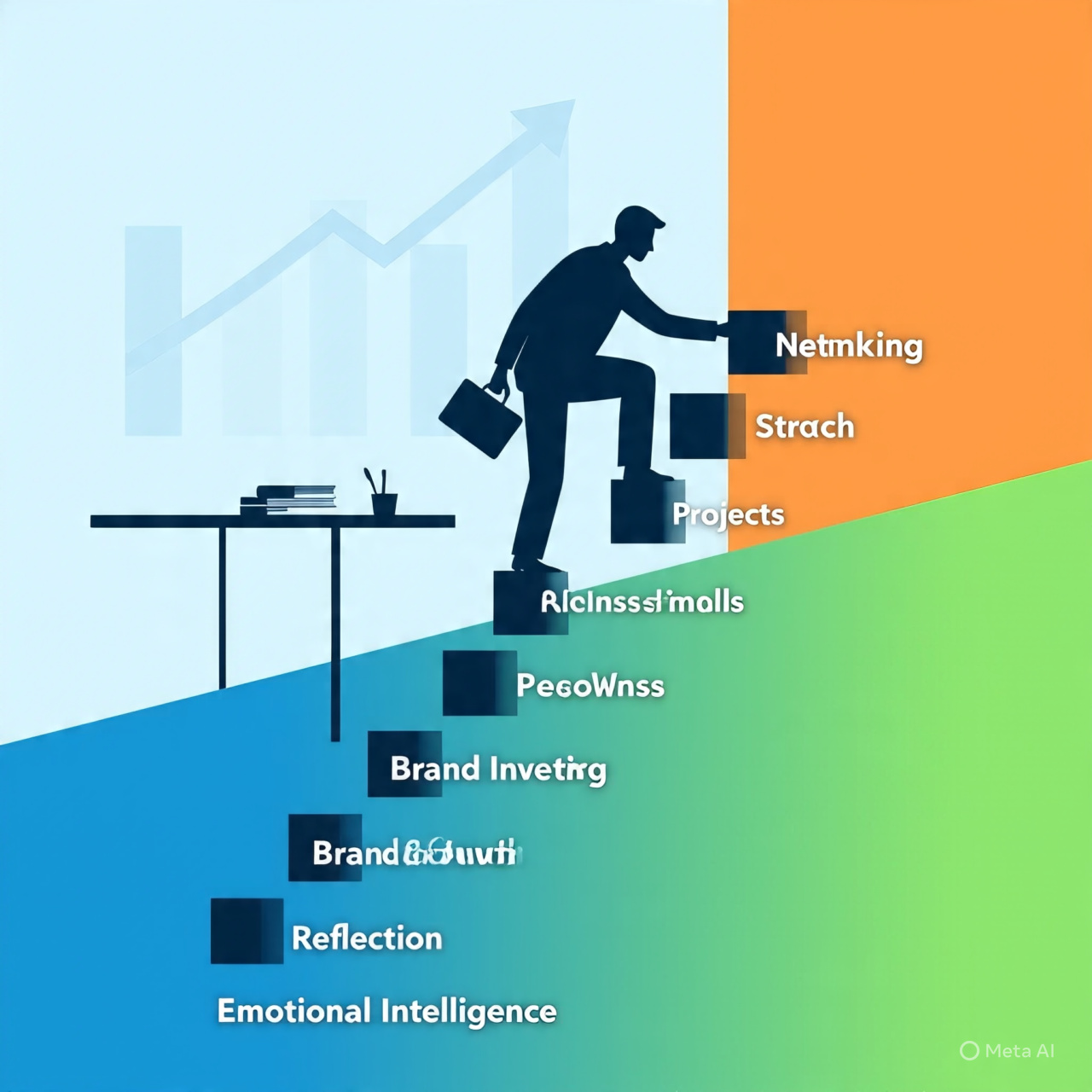
Introduction
In life, success rarely comes overnight. Most people think that big career achievements happen suddenly, like getting a high-paying job or becoming a manager in a short time. But the truth is, career success usually comes from small, consistent decisions and actions that add up over time. This concept is known as compounding. Just like money in a bank grows with interest, small career moves can create big results when done consistently.
In this article, we will explore the career moves that compound over time, how to make them, and why thinking long-term is more powerful than chasing quick wins.
1. Career Moves: Building Skills Consistently
One of the most important career moves is learning and improving your skills continuously. Many people stop learning after finishing school or college. But in today’s fast-changing world, new technologies, tools, and ideas appear every day.
By learning a new skill regularly, even a small one, you increase your value in the workplace. For example:
- Learning Microsoft Excel in depth can make you more efficient.
- Learning a coding language can open opportunities in technology jobs.
- Improving communication skills can help you manage people and projects better.
These skills may not make you rich or famous immediately. But over time, they make you better than others in your field. This gives you opportunities for promotions, raises, or better jobs.
Tip: Dedicate at least 30 minutes a day to learning something new related to your career. Over a year, that’s over 180 hours of learning—enough to become highly skilled.
2. Building a Professional Network
Networking is another career move that compounds over time. Many people think networking is only useful when you need a job. But the real value comes when you build relationships before you need them.
When you meet people in your industry, help them, and stay in touch, you are creating connections that may help you in the future. For example:
- A colleague you helped today might refer you to a great job in the next 2 years.
- A mentor you connect with may guide you to make better career decisions.
- Someone you worked with on a project may partner with you in a business later.
The small time you spend building connections today can multiply in opportunities in the future.
Tip: Connect with at least one new professional each month and maintain your relationships through messages, calls, or coffee meetings.
3. Career Moves: Taking on Stretch Projects
A stretch project is a task that challenges your current abilities. It might be difficult, risky, or unfamiliar. Many people avoid these because they fear failure. But taking on stretch projects is a career move that compounds because:
- You learn new skills faster.
- You gain visibility with leaders and managers.
- You prove your ability to handle responsibility.
Even if you don’t succeed fully, attempting these projects teaches lessons that improve your performance next time. Over years, this habit makes you stand out as a reliable and capable professional.
Example: Volunteering to lead a new team or launch a new product can teach leadership, teamwork, and problem-solving skills that are valuable for future promotions.
4. Consistently Delivering Small Wins
Big achievements often look impressive, but they are usually the result of many small wins over time. Completing your tasks efficiently, meeting deadlines, helping your team, and solving small problems regularly builds a reputation of reliability.
- A software developer who fixes small bugs daily becomes highly trusted over years.
- A salesperson who consistently meets small monthly targets will eventually reach large annual targets.
- A writer who publishes small articles regularly will build a strong portfolio.
These small wins may feel insignificant day by day, but they create a strong foundation for larger opportunities.
Tip: Track your small wins. Review them monthly. This helps you see your progress and motivates you to keep going.
5. Investing in Your Personal Brand
Your personal brand is how people perceive your professional skills, values, and reputation. A strong personal brand compounds over time.
Ways to build your personal brand:
- Share your knowledge through blogs, articles, or social media posts.
- Speak at workshops, webinars, or conferences.
- Help others and build a reputation as a problem solver.
A strong personal brand makes you visible for promotions, partnerships, and job opportunities. Even if you stay in the same company for years, your brand grows, and opportunities come to you.
Example: A graphic designer who shares design tips on LinkedIn regularly can attract freelance clients or get noticed by top companies.
6. Career Moves: Saving and Investing in Career Growth
Another career move that compounds over time is investing in yourself financially. This does not mean spending money recklessly but using it strategically to grow your career.
- Take courses that improve your skills.
- Attend workshops or conferences to learn and network.
- Buy books and resources that help your knowledge and skills.
Even small investments, when done regularly, grow your value. Over time, the knowledge and network you gain may lead to better-paying jobs or career opportunities.
Tip: Set aside 5–10% of your income each year specifically for career growth activities.
7. Consistent Reflection and Improvement
Career compounding also comes from reflection. People who reflect on their actions, learn from mistakes, and adjust strategies grow faster than those who keep doing the same thing.
- At the end of each month, review what went well and what didn’t.
- Ask for feedback from colleagues and managers.
- Adjust your work habits, learning goals, or networking approach based on feedback.
Small improvements consistently applied create exponential growth over years.
8. Developing Emotional Intelligence
Technical skills are important, but emotional intelligence (EQ) compounds like no other skill. EQ includes:
- Understanding your emotions.
- Managing stress and conflicts.
- Communicating effectively.
- Empathizing with others.
People with high EQ are often promoted faster because they work well with teams, manage challenges, and build trust. Developing EQ over time has long-lasting effects on your career trajectory.
9. Career Moves: Being Patient and Thinking Long-Term
The most important principle behind career compounding is patience. Many people give up because they don’t see results immediately. But compounding requires time.
- Learning skills, building a network, and completing small wins take months and years.
- Stretch projects may not succeed at first.
- Personal brand growth is gradual.
If you focus on consistent, small, positive actions, your career growth over 5–10 years will be much larger than someone chasing quick wins without consistency.
Remember: Small steps repeated consistently are more powerful than huge efforts done once.
10. Avoiding Career Mistakes That Break Compounding
Just like good habits compound, bad habits can destroy career growth. Some mistakes that prevent compounding:
- Switching jobs too often without learning new skills.
- Ignoring networking or professional relationships.
- Refusing challenging projects out of fear.
- Focusing only on short-term rewards, like money, instead of long-term growth.
Avoiding these mistakes ensures your career compounding works in your favor.
Conclusion
Career moves that compound over time are about small, consistent, and smart actions. They include:
- Continuously improving your skills.
- Building and maintaining a professional network.
- Taking on challenging projects.
- Delivering small wins consistently.
- Investing in your personal brand.
- Spending on career growth strategically.
- Reflecting and improving continuously.
- Developing emotional intelligence.
- Being patient and thinking long-term.
- Avoiding mistakes that break compounding.
By focusing on these moves, your career growth becomes exponential. What may seem like slow progress today can turn into major achievements in the future. The key is consistency, patience, and strategic effort.
Remember, your career is like planting a tree. You water it every day, give it sunlight, and protect it from damage. Over time, it grows strong and bears fruit. The same principle works for career moves that compound over time.
Read more such career related blogs with the Best Job Tool.


Leave a Reply