Introduction
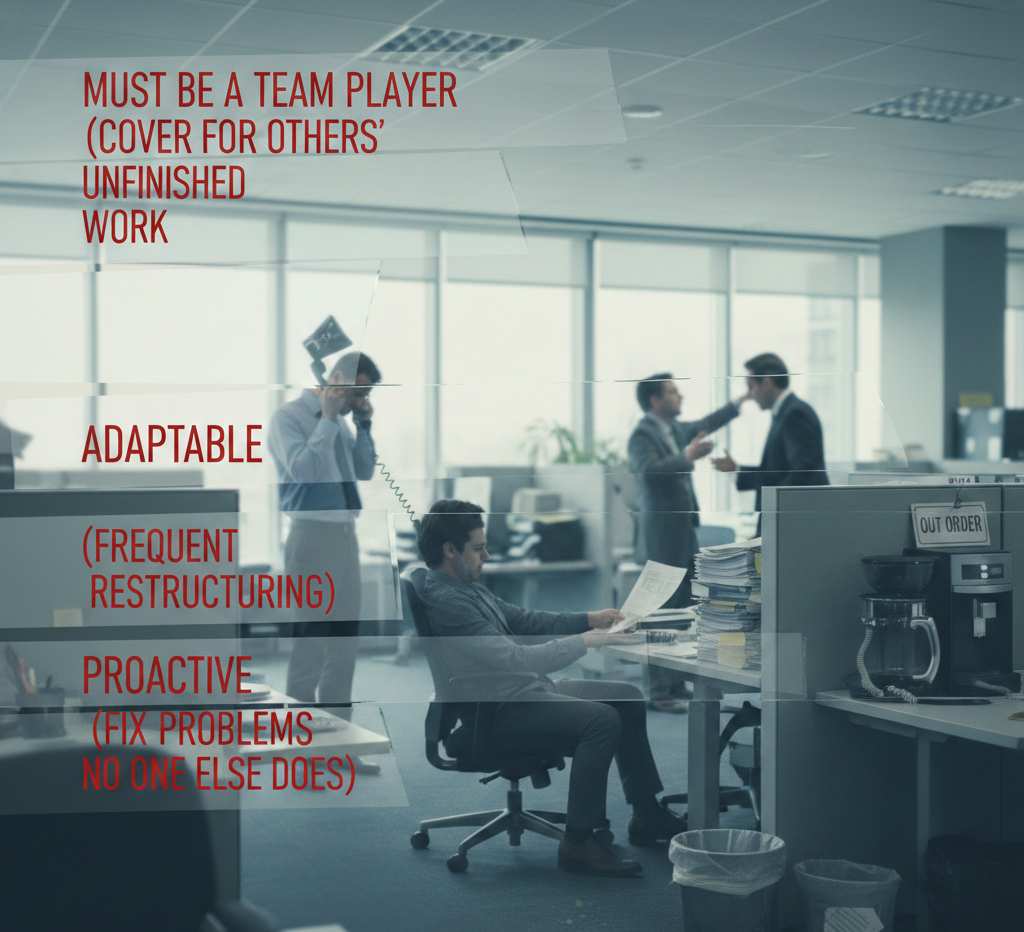
Job descriptions are often seen as simple hiring documents that list skills, responsibilities, and qualifications. However, they do much more than attract candidates. They quietly reveal how a team functions, what challenges it faces, and where internal gaps exist. That is exactly how job descriptions reflect internal team problems even before a new hire joins.
When a job description looks overly broad, unclear, or unrealistic, it is rarely just a writing issue. It is usually a signal of deeper structural, operational, or strategic challenges within the team. Understanding this connection helps both candidates interpret roles better and organizations improve hiring clarity.
Overloaded responsibilities signal resource gaps
One of the clearest signs of internal team problems is an overloaded job description. When a single role includes responsibilities from multiple functions, it often means the team is understaffed.
Instead of hiring multiple specialists, the team tries to solve multiple gaps with one hire. As a result, the job description becomes a blend of tasks that normally belong to different roles.
This overload reflects operational pressure rather than role design.
Vague role definitions indicate unclear internal structure
When job descriptions use vague phrases like “handle multiple tasks” or “support various initiatives,” it often points to unclear internal processes.
Teams that lack defined workflows struggle to specify exact responsibilities. Therefore, they keep descriptions broad to remain flexible.
This ambiguity is a strong indicator of evolving or unstable team structures.
Excessive requirements suggest risk aversion
Long lists of requirements often reflect internal hiring anxiety. Teams that previously experienced hiring challenges tend to overcompensate.
They add extra skills, tools, and experience levels to avoid making another wrong hire. While the intention is risk reduction, the result is an intimidating and unrealistic description.
This defensive writing style shows underlying trust or performance concerns.
Hybrid role expectations reveal role confusion
When a job description combines strategic, operational, and technical tasks, it often signals role confusion within the team.
Leadership may not fully agree on what the role should prioritize. Instead of clarifying internally, they merge expectations into one description.
This creates a role that looks comprehensive but lacks focus.
Frequent updates to job descriptions show shifting priorities
If a role is reposted or frequently edited, it often reflects changing internal priorities. The team may be redefining its needs in real time.
This instability can stem from project changes, leadership shifts, or unclear long-term direction.
Job descriptions become evolving documents instead of stable role definitions.
Unrealistic experience expectations highlight skill shortages
When entry-level roles demand senior-level experience, it often signals internal capability gaps. The team may lack mentorship capacity or training resources.
Instead of planning for onboarding, they seek a “ready-made” expert. This expectation reveals internal limitations rather than market standards.
It shows that the team is trying to solve structural issues through hiring.
Cultural language exposes team environment
The tone of a job description can reflect internal culture. Words like “fast-paced,” “high-pressure,” or “wear multiple hats” often indicate heavy workloads or rapid change.
While these phrases can sound attractive, they may signal operational stress. Similarly, overly formal language may reflect rigid hierarchies.
Language choices act as subtle indicators of team dynamics.
Cross-functional requirements show coordination challenges
When job descriptions emphasize coordination across many departments, it often reveals internal alignment issues.
The new hire is expected to bridge communication gaps rather than focus solely on their core role. This expectation suggests that the team struggles with internal collaboration.
Such roles often emerge in organizations undergoing structural transitions.
Undefined success metrics reveal unclear leadership expectations
A job description that lacks clear outcomes or performance indicators may reflect unclear leadership goals.
If success is not defined, it means the team itself may not have aligned expectations for the role. This creates confusion for both candidates and new hires.
Clarity in outcomes usually indicates stronger internal planning.
Why job descriptions become problem-mirroring documents
Job descriptions are written during moments of need. They capture the team’s immediate challenges more than its long-term vision.
As a result, they often mirror internal pain points such as workload imbalance, skill shortages, or structural inefficiencies.
This is a key reason how job descriptions reflect internal team problems more accurately than many internal reports.
Impact on candidate experience and hiring quality
When job descriptions reflect internal problems, they attract mismatched applicants. Some candidates feel overwhelmed, while others misunderstand the scope.
This leads to longer hiring cycles and higher turnover. Candidates join with one expectation and face a different reality.
Clear and realistic descriptions improve alignment and retention significantly.
How organizations can improve job description accuracy
Teams should review internal workflows before drafting job descriptions. Identifying real daily tasks helps separate essential needs from temporary gaps.
Involving multiple stakeholders in a structured discussion, rather than layered edits, creates more focused role definitions.
Regular updates based on role evolution also ensure long-term accuracy.
Conclusion
Job descriptions are more than hiring tools. They are reflections of team structure, priorities, and internal challenges. That is how job descriptions reflect internal team problems through vague language, overloaded responsibilities, and inflated requirements.
Recognizing these signals helps candidates evaluate roles more wisely and helps organizations create more realistic hiring strategies. Clear, focused, and updated job descriptions not only attract better talent but also reveal healthier team dynamics. Find Your Dream Job Today – Explore Endless Career Opportunities and Secure Your Next Role with Best Job Tool.



Leave a Reply