Introduction
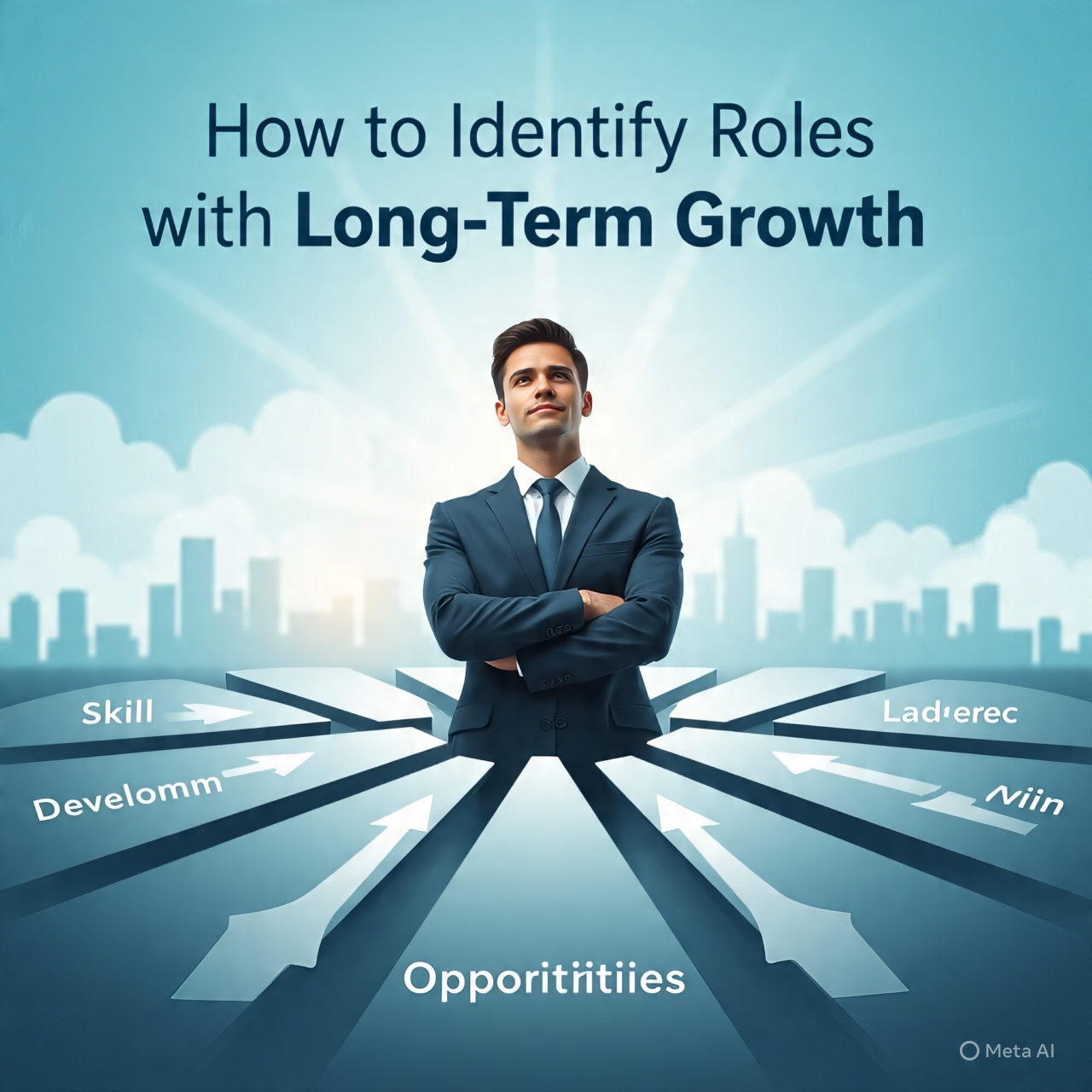
In today’s fast-changing world, choosing a career is not just about earning money now but also about securing long-term growth. Many people start jobs without thinking about whether their role will give them opportunities to grow, learn new skills, and increase their value in the future. A role that seems good today might not have much growth potential tomorrow. That is why it is important to identify roles with long-term growth before you invest your time and energy.
In this article, we will discuss what long-term growth means, why it is important, and how you can identify roles that give you opportunities to grow and succeed in the long run.
What Is Long-Term Growth in a Role?
Long-term growth in a career or role means that your skills, responsibilities, and opportunities increase over time. It is not just about getting a promotion or a higher salary. Growth can also mean:
- Learning new skills that are valuable in your industry
- Taking on challenging projects that expand your knowledge
- Moving into roles with more responsibility
- Building a strong professional network
- Improving your decision-making and leadership abilities
A role with long-term growth helps you stay relevant in the job market. Even if your current company changes or your industry faces challenges, you will still have skills and experience that make you valuable.
Why Long-Term Growth Matters?
Many people focus only on short-term benefits, like a high starting salary, flexible working hours, or job security. While these are important, they do not guarantee future success. Long-term growth is crucial for several reasons:
- Job Market Changes: Industries and technologies evolve quickly. Skills that are in demand today might not be valuable in 5–10 years. A role with growth potential helps you adapt.
- Career Satisfaction: People who grow in their careers tend to feel more satisfied. They enjoy challenges, learning, and achievement.
- Financial Stability: Growth often leads to higher salaries and better benefits. People who invest in growth roles usually earn more over their lifetime than those who choose static roles.
- Opportunities for Leadership: Roles that grow with you can prepare you for leadership positions. You learn to manage teams, handle complex projects, and make strategic decisions.
- Future Flexibility: If you decide to switch industries or start your own business, skills gained from growth roles give you options.
How to Identify Roles with Long-Term Growth?
Now that we understand why growth is important, the next step is to know how to identify roles with long-term growth potential. Here are some strategies:
1. Analyze Industry Trends with Long-Term Growth
Before choosing a role, research the industry it belongs to. Some industries grow faster than others, and some are shrinking. Roles in growing industries are more likely to offer long-term opportunities.
Questions to ask:
- Is this industry growing or declining?
- Are there new technologies or products changing the industry?
- Do companies in this industry invest in employee development?
Example:
Technology, healthcare, renewable energy, and digital marketing are growing industries. A software engineer or digital marketing specialist in these fields is likely to have more opportunities in the next 5–10 years than a role in a declining industry.
2. Look for Roles That Offer Skill Development
A role that allows you to learn new skills is likely to grow with you. Even if the salary is lower initially, a role that builds valuable skills is an investment in your future.
Questions to ask:
- Will I learn skills that are in demand?
- Can I work on challenging projects that push me to improve?
- Are there opportunities for training, mentorship, or certifications?
Example:
A data analyst role in a growing tech company teaches analytical thinking, data tools, and decision-making skills. These skills are valuable in multiple industries and positions.
3. Check for Opportunities for Advancement
A role with clear paths for promotion or growth is ideal. Some companies have flat structures where moving up is difficult, while others encourage internal mobility.
Questions to ask:
- Can I see a path from entry-level to senior positions?
- Are promotions based on performance, skills, or experience?
- Does the company provide internal training for higher roles?
Example:
A marketing coordinator in a company that promotes from within can eventually become a marketing manager, then a director, and eventually a VP. This is a clear growth path.
4. Consider Roles That Teach Transferable Skills
Transferable skills are abilities you can use in many roles and industries. Roles that help you develop these skills give you flexibility and long-term growth potential.
Examples of transferable skills:
- Leadership and team management
- Communication and presentation
- Problem-solving and critical thinking
- Project management
- Digital literacy
Example:
A project manager develops leadership, communication, and planning skills. Even if the project manager changes industries, these skills are highly valued.
5. Evaluate Job Security and Market Demand
A role may grow with you, but if the role is being replaced by automation or is in a declining market, growth will be limited. Check the market demand for your role.
Questions to ask:
- Is the role in high demand?
- Are companies hiring for this role regularly?
- Is the role likely to be automated in the future?
Example:
Roles like AI specialists, cybersecurity experts, and renewable energy engineers are in high demand and expected to grow. Roles that rely on repetitive tasks may face automation threats.
6. Seek Mentorship and Guidance for Long-Term Growth
One way to identify growth potential is to learn from experienced professionals. Mentors can help you understand which roles have long-term opportunities.
Questions to ask mentors:
- Which roles have allowed you to grow over time?
- What skills and experiences helped you progress in your career?
- Which roles should I avoid for long-term growth?
Example:
Talking to a senior software developer can help you understand which programming languages and projects are in demand and which companies invest in employee growth.
7. Assess Company Culture and Values
The right company culture is critical for growth. Companies that invest in employees, encourage learning, and reward performance provide better long-term opportunities.
Questions to ask:
- Does the company offer learning and development programs?
- Are employees encouraged to take on new challenges?
- Does the company value long-term employee growth over short-term profits?
Example:
Companies like Google, Microsoft, and Salesforce are known for strong employee development programs, mentorship, and internal growth opportunities.
8. Look for Roles That Offer Variety and Challenge
A role that keeps you challenged helps you grow faster. Repetitive tasks may limit your learning and reduce growth potential.
Questions to ask:
- Does the role involve problem-solving and decision-making?
- Will I work on diverse projects or tasks?
- Can I take ownership of meaningful responsibilities?
Example:
A product manager role is challenging and involves working with design, marketing, and technology teams. This variety builds skills faster than a repetitive administrative job.
9. Consider Future Industry Trends for Long-Term Growth
Some roles are expected to grow because of future trends. For example, as automation increases, new roles in AI, data, and cybersecurity are emerging.
Questions to ask:
- Which skills and roles will be in demand in 5–10 years?
- Is this role adaptable to future changes?
- Are there emerging technologies that make this role more important?
Example:
A digital marketing role that includes AI tools, automation, and analytics is likely to grow as companies focus more on data-driven marketing.
10. Trust Your Long-Term Interest
Even if a role has growth potential, it is important that you enjoy it. Passion and interest keep you motivated, and motivated employees grow faster.
Questions to ask yourself:
- Do I enjoy the work this role involves?
- Can I see myself doing this work for years?
- Will I remain motivated as the role becomes more complex?
Example:
If you love problem-solving and analysis, a role in data science or engineering might suit you. Enjoying your work helps you invest more effort, which accelerates growth.
Conclusion
Choosing a role with long-term growth is not always easy. It requires research, reflection, and planning. However, the effort is worth it. Roles with growth potential provide learning opportunities, career satisfaction, higher earnings, and leadership chances.
By analyzing industry trends, evaluating skill development opportunities, checking advancement paths, and considering transferable skills, you can make an informed choice. Mentorship, company culture, job variety, and your own interests also play a crucial role.
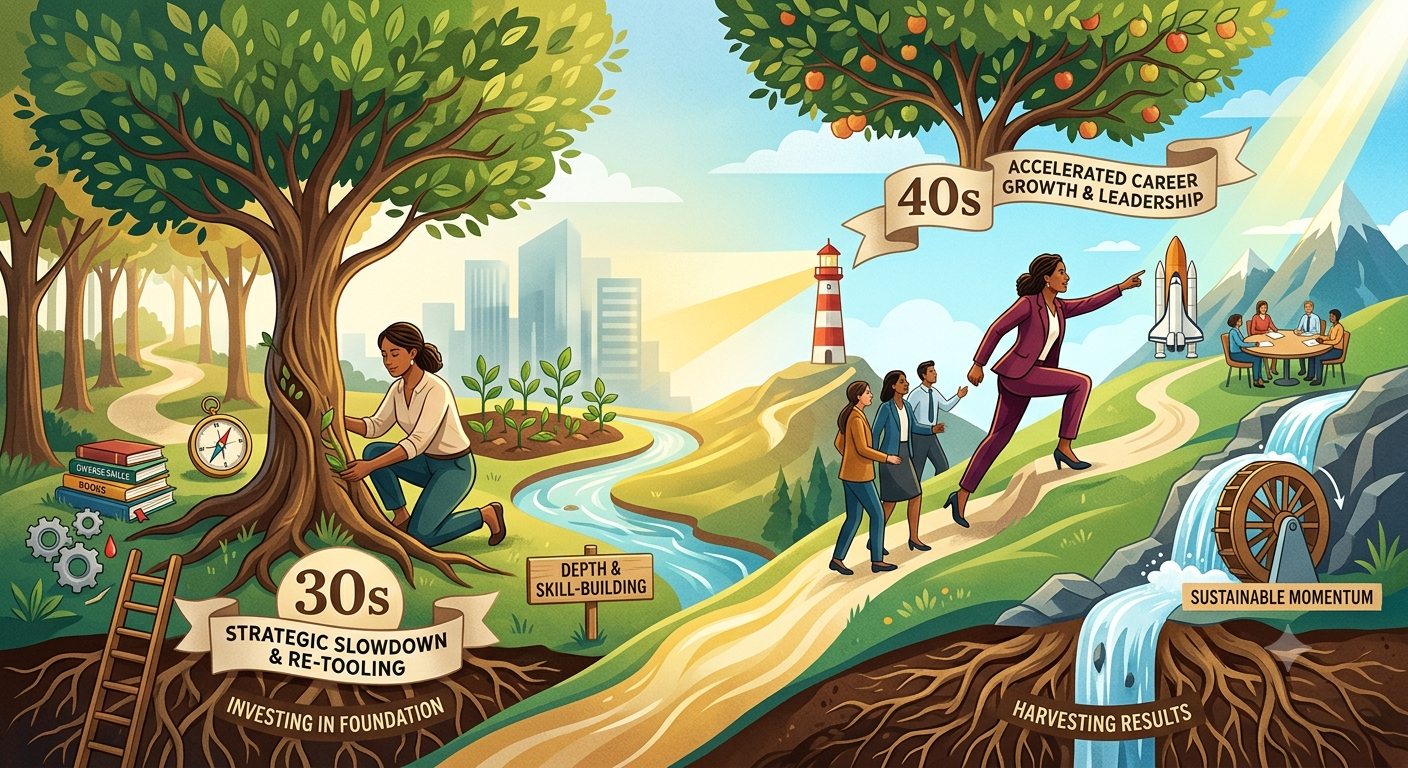
Remember, a career is a long journey. Choosing a role with long-term growth is like planting a tree. With proper care and effort, it grows steadily and gives rewards for years. Invest your time in roles that grow with you, and your future self will thank you.
You can read more such blogs with the Best Job Tool.




Leave a Reply