
Introduction
In today’s time, there is competition everywhere. Whether you are applying for a small role or working at a senior level, competition is present in every field. Because of this competition, people try to learn many skills and gain a lot of knowledge.
At the workplace, nothing stays the same. Things keep changing. Sometimes new tools are introduced, sometimes colleagues change, sometimes new technology comes, and sometimes even the workspace changes. Change always happens — sometimes small and sometimes big.
But if you get scared or frustrated because of these changes and start thinking about a career transition, then it is not a good idea. A career transition is a very big decision for anyone. A person has to work hard again from the beginning, and almost everything changes. If the decision is not taken carefully, the career transition can fail.
That is why you should never decide to change your career in a hurry. If you want to avoid rushed career transitions, you can read this wonderful article to understand how to avoid making such decisions in haste.
How to Avoid Rushed Career Transitions?
1. Understand Why You Want Career Transitions
Some common reasons to changing career are;
- Boredom – When People get bored with their current work then they want to change career. They don’t feel any excitement in their work.
- Burnout – Getting mentally and physically tired because of work pressure and stress.
- Better Pay – Expecting more financial growth.
- Passion – Want to do in the field, which is your passion.
- Work-life Balance – Want a job in which you can get time for your personal life as well.
- Career Growth – NO scope in current job.
This is important because when you know the reason of career change then planning for it would become so easy.
2. Separate Emotion from Strategy
Change is not just a physical shift; it is also a mental and emotional adjustment. Feeling anxiety, irritation, or resistance is normal, especially when you are coming out of your comfort zone. That is why, first, you need to accept the change.
Developing a positive mindset and realistic expectations is very important. Everything will not look perfect from the first day, and that is absolutely normal. Give yourself time, keep patience, and appreciate small achievements. This will help reduce stress and build confidence through emotional preparation.
3. Do Proper Self-Assessment to Avoid Career Transitions
Evaluating your skills, strengths, and weaknesses means honestly assessing yourself to understand what abilities you already have and which areas need improvement.
Start by making a skills list — including technical skills (like software knowledge or tool usage), soft skills (such as communication, teamwork, problem-solving), and industry-specific skills. Then, identify which of these will be useful in your new career.
Recognizing your strengths – is important because they boost your confidence and can be highlighted in your resume or interviews. Examples include leadership, creativity, adaptability, or quick learning.
At the same time, pay attention to your weaknesses — such as lacking knowledge of a specific tool or feeling nervous about public speaking. Work on improving these areas so you’re better prepared for the career change.
This step gives you a clear roadmap of what to maintain and what to improve, ensuring a smoother and more successful transition.
4. Research the New Role Deeply
A career change is not based only on interest; you also need to understand its future scope and earning potential. You should check how much growth is expected in the field you’re moving into over the next 5–10 years. Additionally, compare the average salary range and increment trends in that field to ensure you remain financially satisfied.
Researching industries and roles means studying different industries in detail, for example, IT, healthcare, education, marketing, creative fields, etc. What types of roles are there in the industry? The required skills, What is the exact type of work we have to understand? All of these need to be studied in detail. Online research, job portals, LinkedIn profiles, and industry reports can give you information.

5. Building a Career Transition Plan
Building a transition plan means planning your career change in a structured way so that you take a step-by-step guide to reach your Goal. Here, you have to set your goal and think of a realistic timeline to complete all your preparation steps.
Short-term goals are those that you can achieve in 1 to 6 months. Like learning new skills, completing a certificate, or making a portfolio. Long-term goals are those that you can achieve in 1 to 3 years. Like getting a job in your target role, having a promotion, or achieving any specific income level. Setting a goal in a SMART (specific, measurable, achievable, relevant, time-bound) format is best so that you can track your progress.
Building a transition plan means planning your career change in a structured way so that you take a step-by-step guide to reach your Goal. Here, you have to set your goal and think of a realistic timeline to complete all your preparation steps.
A strong transition plan keeps you focused, reduces overthinking, and gives you control over your career change journey.
6. Seek Mentorship or Networking
Networking and mentorship means connecting with people in your desired industry and learning from them so that you can build strong connections and gain guidance for your career change.
Making relationships with professionals who are already working in your targeted field. You can approach them through LinkedIn, industry events, webinars, workshops, or alumni networks. Introduce yourself, show your genuine interest, and learn from them about the industry. These connections can help you get referrals, mentorship, and real-world insights.
LinkedIn is your most powerful networking tool. Keep your profile updated, use relevant keywords, and connect with professionals in your related field. Share industry-related posts and start commenting on valuable posts to show your activity. Join professional groups (LinkedIn groups, WhatsApp/Telegram industry communities, Facebook groups, etc.) and take part in discussions. With the help of these, you will be updated with the latest news and updates.
7. Avoid Comparison Pressure
Every person is different. Everyone has their own likes and dislikes, different goals, and unique career journeys. However, many people start comparing their skill leaning journey with others, which is a big mistake. This comparison leads to demotivation and often end up learning irrelevant skills.
You can also read “Navigating Career Change: A Step-by-Step Guide”.
Conclusion
Career transitions are powerful decisions that can shape your future, but when they are rushed, they often create more confusion than growth. A sudden move made out of frustration, comparison, or pressure can lead to instability and regret.
The key is not to avoid change — the key is to approach change with clarity and preparation. When you understand your reasons, research properly, build relevant skills, plan financially, and move step by step, your transition becomes intentional rather than impulsive.
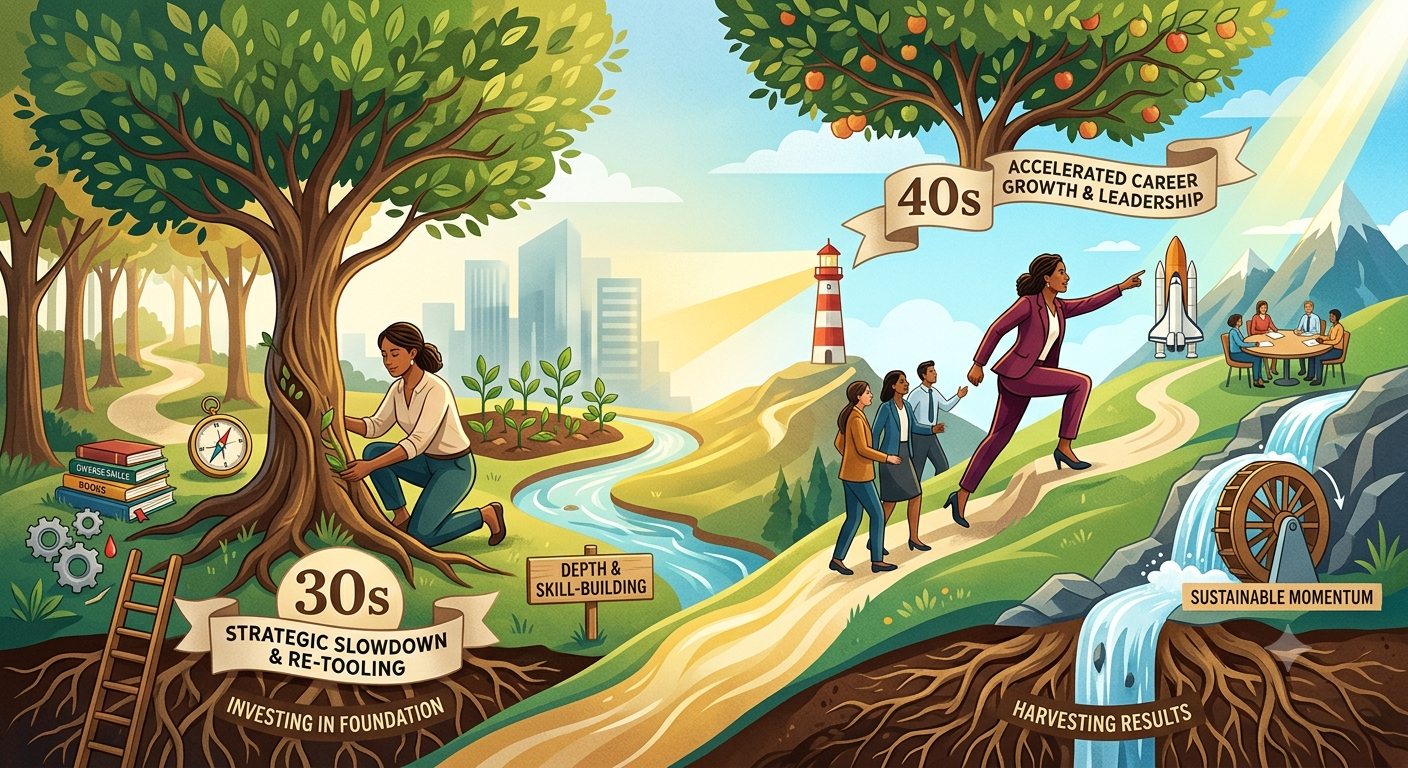
Remember, a strong career is not built by speed alone. It is built by thoughtful decisions, patience, and strategy. Slow and planned transitions often lead to long-term success and confidence.
You can read more such blogs with the Best Job Tool.
Leave a Reply