Introduction
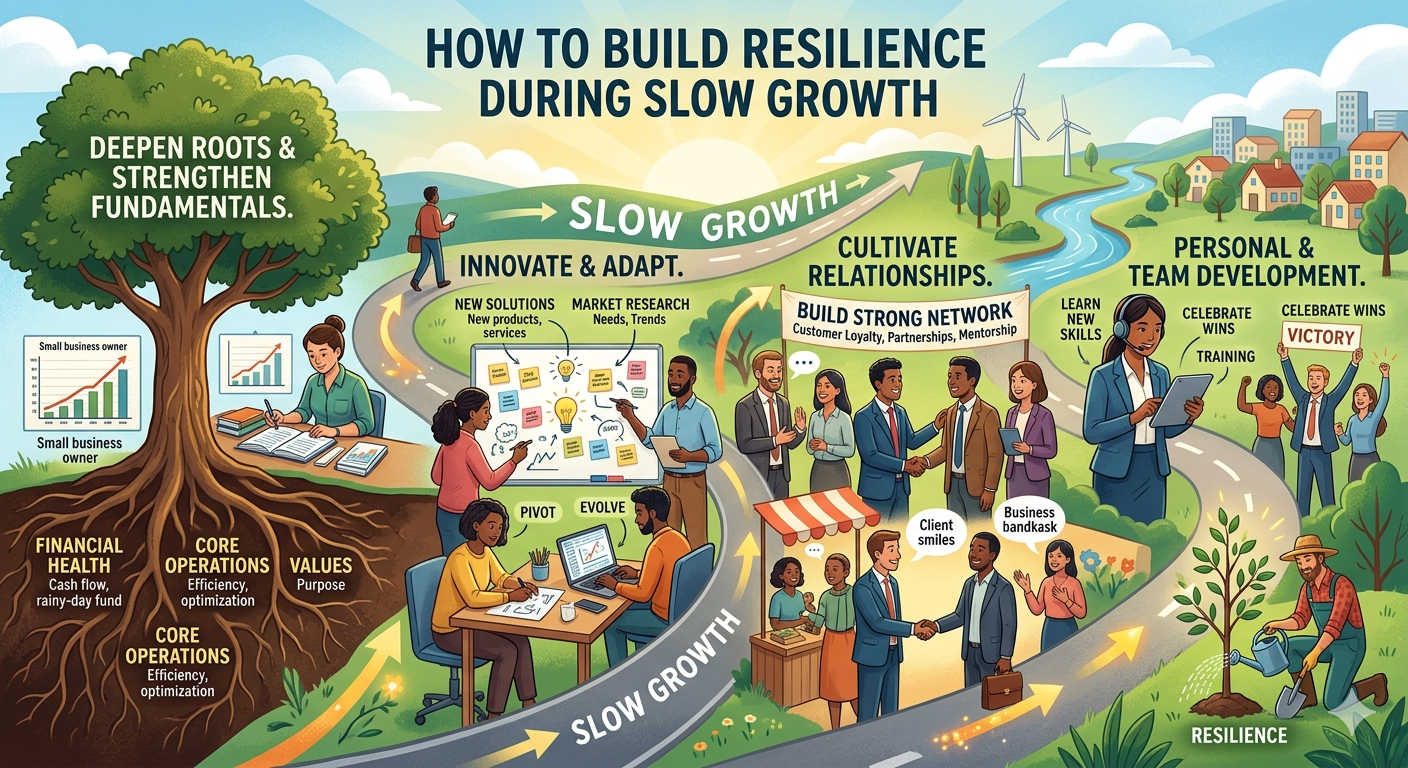
Career growth does not always happen quickly. There are phases when progress feels slow, results seem limited, and motivation starts to drop. These periods can feel frustrating, especially when effort does not immediately translate into visible success. However, slow growth phases are a natural part of every professional journey. This is where resilience becomes essential. Understanding how to build resilience during slow growth can help you stay consistent, focused, and mentally strong during challenging times.
Resilience is not about ignoring difficulty. Instead, it is about adapting, learning, and continuing to move forward despite slow progress.
Accept that slow growth is normal
First, it is important to recognize that slow growth does not mean failure. Every career includes periods of learning, adjustment, and waiting.
Many successful professionals experience long phases where progress is not immediately visible. Accepting this reality reduces frustration and helps maintain a positive mindset.
Acceptance creates mental stability.
Focus on consistent effort over quick results
Instead of measuring success only through outcomes, focus on daily effort. Small, consistent actions lead to long-term improvement.
For example, learning one new skill, improving one process, or completing one meaningful task each day creates cumulative progress over time.
Consistency builds momentum even when results seem slow.
Set realistic and flexible goals
Unrealistic expectations can increase stress during slow phases. Therefore, setting achievable and flexible goals is important.
Break larger goals into smaller milestones. Adjust timelines when necessary without losing direction.
Flexible planning helps maintain motivation and reduces pressure.
Track small wins regularly
During slow growth, progress may not be immediately visible. Tracking small achievements helps you recognize improvement.
For example, completing a course, solving a difficult problem, or improving a skill level are all meaningful wins.
Recognizing progress builds confidence.
Develop a learning mindset
Slow growth periods often provide the best opportunities for learning. Instead of focusing only on outcomes, focus on skill development.
Learn new tools, refine existing skills, and explore different approaches. This mindset turns slow phases into productive learning periods.
Continuous learning strengthens long-term growth.
Manage stress and avoid burnout
Slow progress can create frustration and stress. Therefore, managing mental well-being is essential.
Take breaks, maintain a healthy routine, and avoid overworking. Balanced effort ensures sustainability over time.
Mental health supports resilience.
Seek feedback and guidance
External perspectives can provide valuable insights during slow phases. Mentors, colleagues, or managers can help identify areas for improvement.
Feedback helps you adjust your approach and improve efficiency.
Guidance accelerates progress.
Stay adaptable to changing opportunities
Sometimes growth feels slow because the current approach needs adjustment. Being open to change helps you identify new opportunities.
Explore different roles, projects, or skill areas that align with your goals.
Adaptability increases growth potential.
Build discipline and patience
Resilience requires patience. Results may take time, but disciplined effort ensures progress.
Develop routines that support consistent work habits. Over time, discipline creates visible improvement.
Patience and discipline go hand in hand.
Maintain long-term perspective
Short-term slowdowns should not define your career. Focus on long-term growth instead of immediate results.
Every skill you build and every challenge you overcome contributes to future success.
Long-term thinking reduces frustration.
Conclusion
Slow growth phases can feel challenging, but they are essential for long-term success. That is precisely how to build resilience during slow growth by focusing on consistency, learning, adaptability, and mental strength.
Professionals who stay disciplined, track progress, and maintain a positive mindset during slow periods often achieve greater success over time. Growth may not always be fast, but it is always meaningful when supported by resilience and continuous effort.Introduction
Career growth does not always happen quickly. There are phases when progress feels slow, results seem limited, and motivation starts to drop. These periods can feel frustrating, especially when effort does not immediately translate into visible success. However, slow growth phases are a natural part of every professional journey. This is where resilience becomes essential. Understanding how to build resilience during slow growth can help you stay consistent, focused, and mentally strong during challenging times.
Resilience is not about ignoring difficulty. Instead, it is about adapting, learning, and continuing to move forward despite slow progress.
Accept that slow growth is normal
First, it is important to recognize that slow growth does not mean failure. Every career includes periods of learning, adjustment, and waiting.
Many successful professionals experience long phases where progress is not immediately visible. Accepting this reality reduces frustration and helps maintain a positive mindset.
Acceptance creates mental stability.
Focus on consistent effort over quick results
Instead of measuring success only through outcomes, focus on daily effort. Small, consistent actions lead to long-term improvement.
For example, learning one new skill, improving one process, or completing one meaningful task each day creates cumulative progress over time.
Consistency builds momentum even when results seem slow.
Set realistic and flexible goals
Unrealistic expectations can increase stress during slow phases. Therefore, setting achievable and flexible goals is important.
Break larger goals into smaller milestones. Adjust timelines when necessary without losing direction.
Flexible planning helps maintain motivation and reduces pressure.
Track small wins regularly
During slow growth, progress may not be immediately visible. Tracking small achievements helps you recognize improvement.
For example, completing a course, solving a difficult problem, or improving a skill level are all meaningful wins.
Recognizing progress builds confidence.
Develop a learning mindset
Slow growth periods often provide the best opportunities for learning. Instead of focusing only on outcomes, focus on skill development.
Learn new tools, refine existing skills, and explore different approaches. This mindset turns slow phases into productive learning periods.
Continuous learning strengthens long-term growth.
Manage stress and avoid burnout
Slow progress can create frustration and stress. Therefore, managing mental well-being is essential.
Take breaks, maintain a healthy routine, and avoid overworking. Balanced effort ensures sustainability over time.
Mental health supports resilience.
Seek feedback and guidance
External perspectives can provide valuable insights during slow phases. Mentors, colleagues, or managers can help identify areas for improvement.
Feedback helps you adjust your approach and improve efficiency.
Guidance accelerates progress.
Stay adaptable to changing opportunities
Sometimes growth feels slow because the current approach needs adjustment. Being open to change helps you identify new opportunities.
Explore different roles, projects, or skill areas that align with your goals.
Adaptability increases growth potential.
Build discipline and patience
Resilience requires patience. Results may take time, but disciplined effort ensures progress.
Develop routines that support consistent work habits. Over time, discipline creates visible improvement.
Patience and discipline go hand in hand.
Maintain long-term perspective
Short-term slowdowns should not define your career. Focus on long-term growth instead of immediate results.
Every skill you build and every challenge you overcome contributes to future success.
Long-term thinking reduces frustration.
Conclusion
Slow growth phases can feel challenging, but they are essential for long-term success. That is precisely how to build resilience during slow growth by focusing on consistency, learning, adaptability, and mental strength.
Professionals who stay disciplined, track progress, and maintain a positive mindset during slow periods often achieve greater success over time. Growth may not always be fast, but it is always meaningful when supported by resilience and continuous effort.Find Your Dream Job Today – Explore Endless Career Opportunities and Secure Your Next Role with Best Job Tool.




Leave a Reply