Introduction
A professional portfolio is no longer just for designers and developers. Today, recruiters and hiring managers increasingly want to see evidence of your skills, projects, achievements, and problem-solving abilities. Whether you are a student, job seeker, freelancer, career changer, or experienced professional, a portfolio can help you stand out in a competitive market.
The good news is that you do not need expensive software or advanced technical skills to create one. Platforms like Notion and Google Sites allow anyone to build a professional online portfolio for free. Both tools are easy to use, accessible from anywhere, and suitable for showcasing work across a wide range of industries.
A well-organized portfolio can support job applications, strengthen your personal brand, and provide recruiters with a clearer understanding of your capabilities. This guide explains how to use Notion and Google Sites effectively to create a portfolio that highlights your professional value.
Why Every Professional Should Have a Portfolio
Many candidates rely solely on resumes and LinkedIn profiles.
While these remain important, they often provide limited context about your work.
A portfolio allows you to demonstrate:
- Projects completed
- Skills applied
- Achievements earned
- Case studies
- Certifications
- Writing samples
- Presentations
- Professional growth
Instead of simply describing your abilities, you provide evidence of them.
This can significantly improve credibility during recruitment processes.
Choosing Between Notion and Google Sites
Both platforms are excellent free options, but they serve slightly different needs.
Notion
Best for:
- Personal portfolios
- Project libraries
- Case study collections
- Content creators
- Students and job seekers
Advantages:
- Easy setup
- Modern design
- Flexible layouts
- Strong content organization
- Quick updates
Google Sites
Best for:
- Professional websites
- Personal branding
- Business-focused portfolios
- Structured presentations
Advantages:
- Website-like appearance
- Google integration
- Easy navigation
- No coding required
- Reliable hosting
Choose the platform that best matches your goals and preferred presentation style.
Define the Purpose of Your Portfolio
Before building your site, determine what you want recruiters to see.
Examples include:
Job Search Portfolio
Showcase projects, skills, and achievements relevant to target roles.
Freelance Portfolio
Highlight client work and service offerings.
Career Transition Portfolio
Demonstrate transferable skills and learning projects.
Student Portfolio
Present academic projects, internships, and extracurricular achievements.
A focused portfolio is generally more effective than one that attempts to cover everything.
Essential Sections to Include
Regardless of platform, most portfolios should include several core sections.
About Me
Provide a concise professional introduction.
Include:
- Career focus
- Key skills
- Professional interests
- Career goals
Keep this section clear and relevant.
Resume
Upload or link to your latest resume.
Recruiters often appreciate easy access to professional documents.
Projects
Highlight your most relevant work.
For each project include:
- Objective
- Your role
- Actions taken
- Results achieved
Projects often become the most valuable section of a portfolio.
Skills
List your core competencies.
Examples:
- Project management
- Data analysis
- Marketing
- Communication
- Research
- Leadership
Focus on skills relevant to your target roles.
Contact Information
Make it easy for recruiters to connect with you.
Include:
- Email address
- LinkedIn profile
- Professional website links
Accessibility improves networking opportunities.
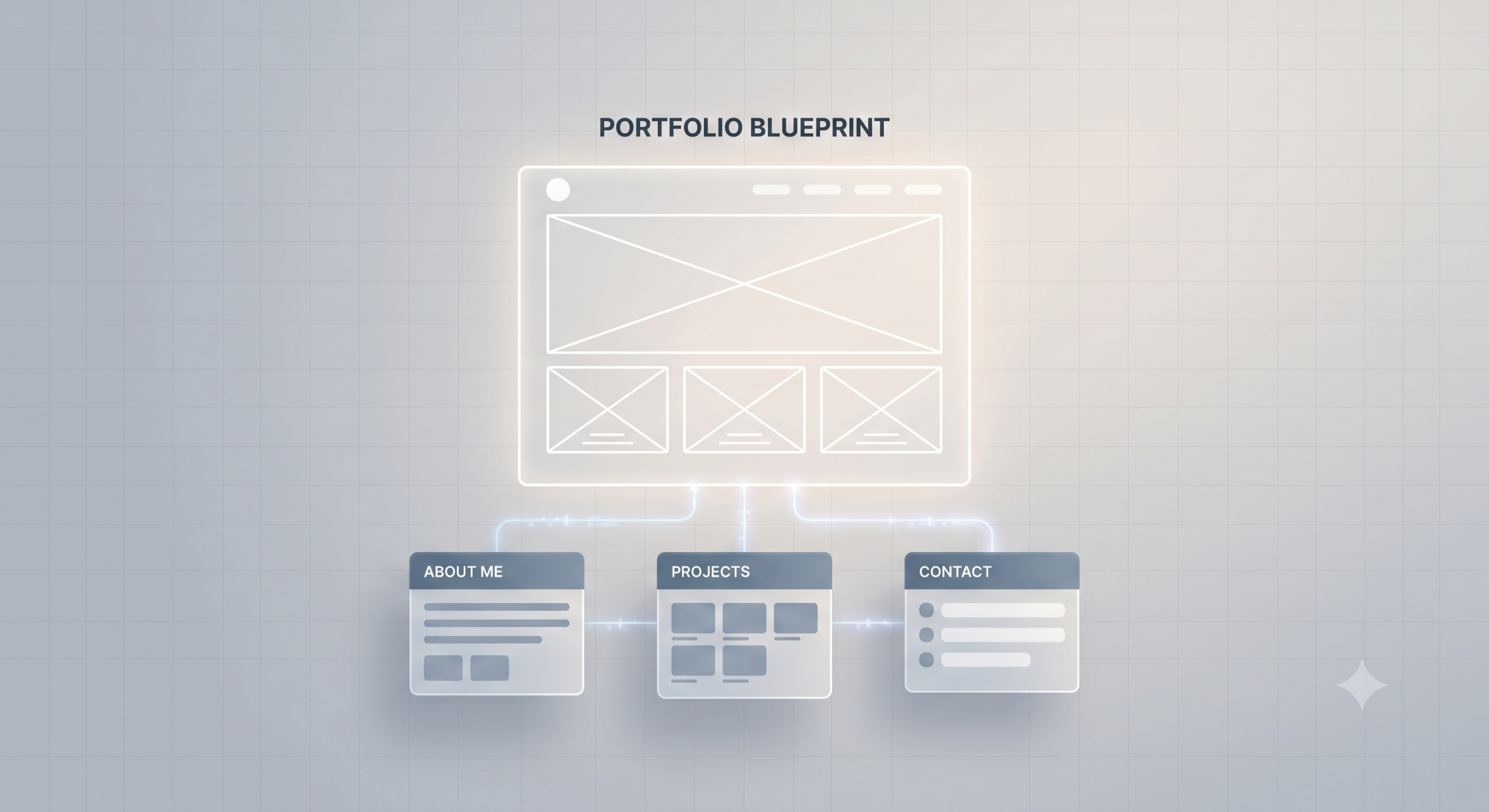
Building a Portfolio With Notion
Notion allows users to create attractive portfolios quickly.
A simple structure might include:
Home Page
Professional introduction and navigation links.
Project Database
A collection of project summaries and case studies.
Resume Section
Embedded PDF or downloadable file.
Certifications
Display completed courses and credentials.
Contact Page
Professional contact details.
Notion’s database features make it especially useful for organizing multiple projects and achievements.
Its flexibility allows continuous updates as your career progresses.
Building a Portfolio With Google Sites
Google Sites offers a more traditional website experience.
Suggested structure:
Homepage
Professional summary and career focus.
About Page
Detailed background and experience overview.
Projects Page
Project descriptions, images, and outcomes.
Resume Page
Embedded resume and downloadable version.
Contact Page
Communication options and professional links.
Google Sites is particularly effective for creating a polished and professional presentation.
Its navigation structure helps recruiters quickly find relevant information.
Showcase Mini Case Studies
One of the most effective portfolio strategies is including mini case studies.
Each case study should answer:
What Was the Challenge?
Explain the problem or objective.
What Did You Do?
Describe your actions and contributions.
What Was the Result?
Highlight measurable outcomes.
Example:
Challenge: Low engagement for a student organization’s events.
Action: Developed a social media promotion strategy.
Result: Increased attendance by 40% over one semester.
Case studies demonstrate practical skills and problem-solving ability.
Optimize for Remote Work Opportunities
Remote employers often look for evidence of self-management and independent work.
Include examples of:
- Remote collaboration
- Virtual projects
- Digital communication
- Online learning
- Productivity systems
Demonstrating remote readiness can improve your attractiveness to global employers.
As remote work continues to expand, these examples become increasingly valuable.
Keep Design Simple and Professional
A portfolio should support your content rather than distract from it.
Best practices include:
- Clear navigation
- Consistent formatting
- Readable fonts
- Professional language
- Organized sections
Avoid:
- Excessive animations
- Cluttered layouts
- Unnecessary graphics
Recruiters often spend only a few minutes reviewing portfolios.
Simplicity improves usability.
Update Your Portfolio Regularly
An outdated portfolio can create a negative impression.
Consider updating when you:
- Complete new projects
- Earn certifications
- Change roles
- Develop new skills
- Achieve measurable results
Regular updates demonstrate continuous growth and professional engagement.
A current portfolio reflects an active and evolving career.
Use Your Portfolio During Job Applications
A portfolio should be integrated into your overall job search strategy.
Include links on:
- Resumes
- LinkedIn profiles
- Email signatures
- Job applications
Providing recruiters with direct access to your work can strengthen your candidacy.
Portfolios often create opportunities for deeper conversations during interviews.
Financial Advantages of a Free Portfolio
Using Notion or Google Sites eliminates the need for expensive website development.
Benefits include:
- Zero hosting costs
- No design software expenses
- Easy maintenance
- Professional presentation
- Long-term career value
For students and job seekers, free portfolio platforms provide an excellent return on investment.
The time spent creating a portfolio often delivers greater value than the financial cost of premium tools.
Finding Portfolio-Worthy Opportunities
Building a strong portfolio becomes easier when you continuously work on meaningful projects.
Global job platforms such as BEST JOB TOOL help professionals discover opportunities that allow them to develop relevant skills, gain experience, and build project-based achievements.
BEST JOB TOOL also provides insights into remote work trends, in-demand competencies, and emerging career paths, helping candidates align their portfolios with current employer expectations.
By understanding market demand, professionals can create portfolios that showcase the skills recruiters value most.
Conclusion
A professional portfolio is one of the most effective ways to demonstrate your capabilities beyond a traditional resume. Whether you choose Notion or Google Sites, both platforms provide accessible and cost-effective solutions for showcasing your projects, skills, achievements, and career growth.
The most successful portfolios focus on clarity, relevance, and evidence of impact. By including project summaries, case studies, certifications, and examples of real-world problem-solving, candidates can create a compelling professional presence that attracts recruiter attention.
As hiring increasingly emphasizes demonstrated skills and practical experience, maintaining a strong online portfolio can significantly improve career opportunities. Combined with insights from platforms like BEST JOB TOOL, a well-crafted portfolio becomes a valuable asset for long-term professional success.



Leave a Reply