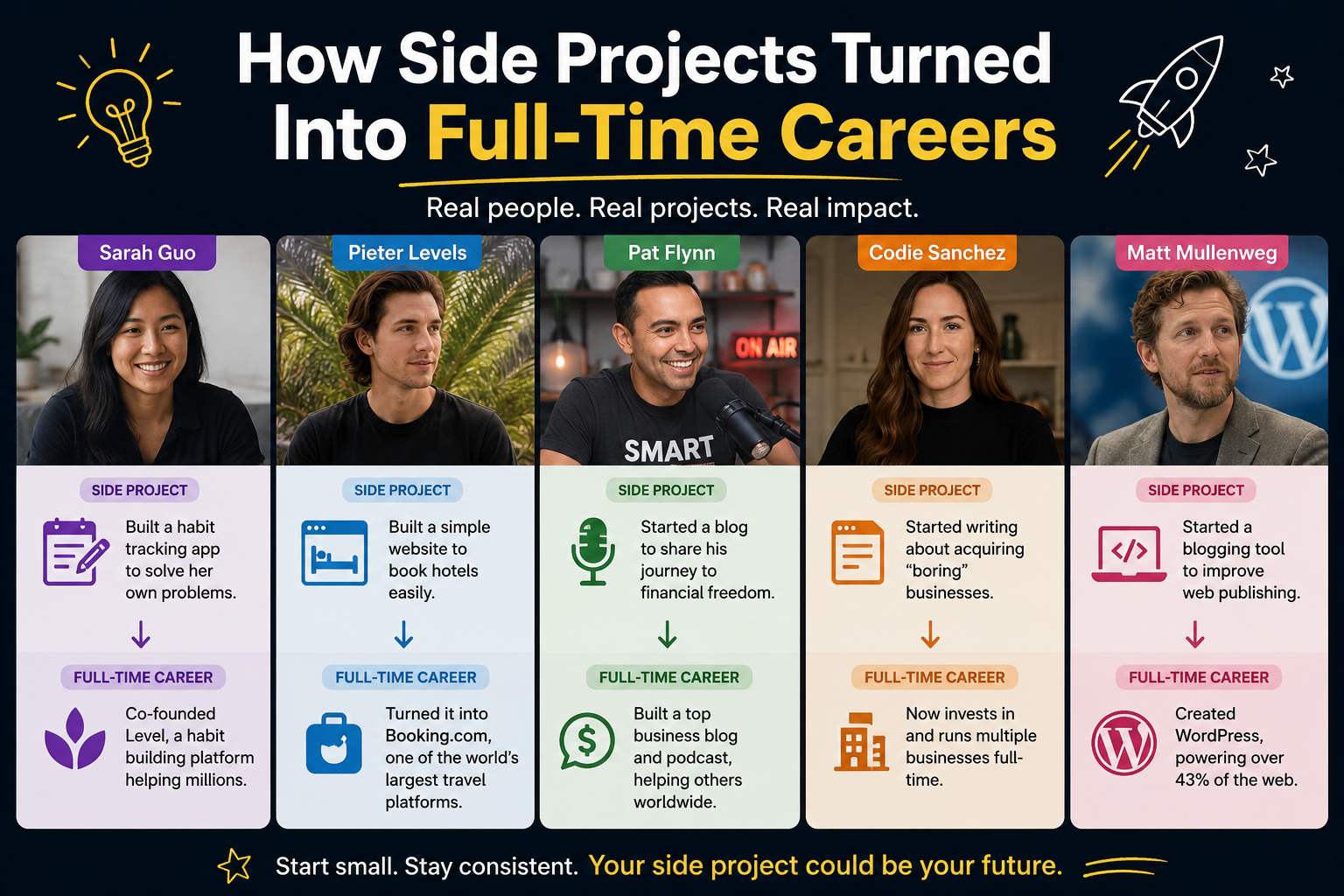
Introduction
Many successful careers begin unexpectedly. What starts as a weekend hobby, freelance assignment, personal blog, or passion project can eventually become a full-time profession. In today’s digital economy, side projects have become powerful tools for learning new skills, building professional credibility, and creating alternative career paths.
Professionals across industries have used side projects to explore interests, develop expertise, generate income, and even launch entirely new careers. Their journeys demonstrate that career growth does not always require a traditional path. Sometimes the most valuable opportunities emerge from projects pursued outside regular working hours.
These stories offer practical lessons for anyone looking to create new opportunities through consistent effort and personal initiative.
Most Side Projects Start Small
One common theme among successful professionals is that their projects rarely began with ambitious business plans.
Many started with simple goals such as:
- Learning a new skill
- Solving a personal problem
- Sharing knowledge online
- Building a portfolio
- Exploring a hobby
Examples include:
- Writing a blog after work
- Designing websites for friends
- Creating educational videos
- Developing mobile applications
- Managing social media pages
Initially, these projects generated little or no income. However, they provided valuable experience and helped individuals discover interests that later shaped their careers.
Consistency Matters More Than Immediate Results
Many side projects take months or even years before producing significant opportunities.
Successful professionals often focused on consistency rather than quick outcomes.
They committed to:
- Regular learning
- Continuous improvement
- Weekly project milestones
- Long-term growth
This approach helped them gradually build expertise and credibility.
While others abandoned projects after a few weeks, those who remained consistent often created opportunities that eventually led to full-time careers.
The ability to stay committed during periods of slow progress is one of the most important lessons from successful side-project entrepreneurs.
Side Projects Become Powerful Portfolios
A major advantage of side projects is that they provide tangible proof of skills.
Employers and clients increasingly value evidence of practical experience.
Side projects can showcase:
- Problem-solving abilities
- Technical expertise
- Communication skills
- Creativity
- Leadership
- Project management
For example, a personal website demonstrates web development capabilities. A blog showcases communication and industry knowledge. A freelance project proves the ability to deliver results.
Many professionals secured interviews and clients because their projects demonstrated abilities that resumes alone could not communicate.
Learning Through Real-World Experience
Traditional education provides valuable knowledge, but side projects often accelerate practical learning.
When building a project, individuals encounter real challenges involving:
- Deadlines
- Budget constraints
- Customer feedback
- Technical issues
- Productivity management
These experiences develop skills that employers highly value.
Professionals who transformed side projects into careers often learned more through practical execution than through theory alone.
They gained confidence by solving real problems and adapting to unexpected situations.
Remote Work Expanded Career Possibilities
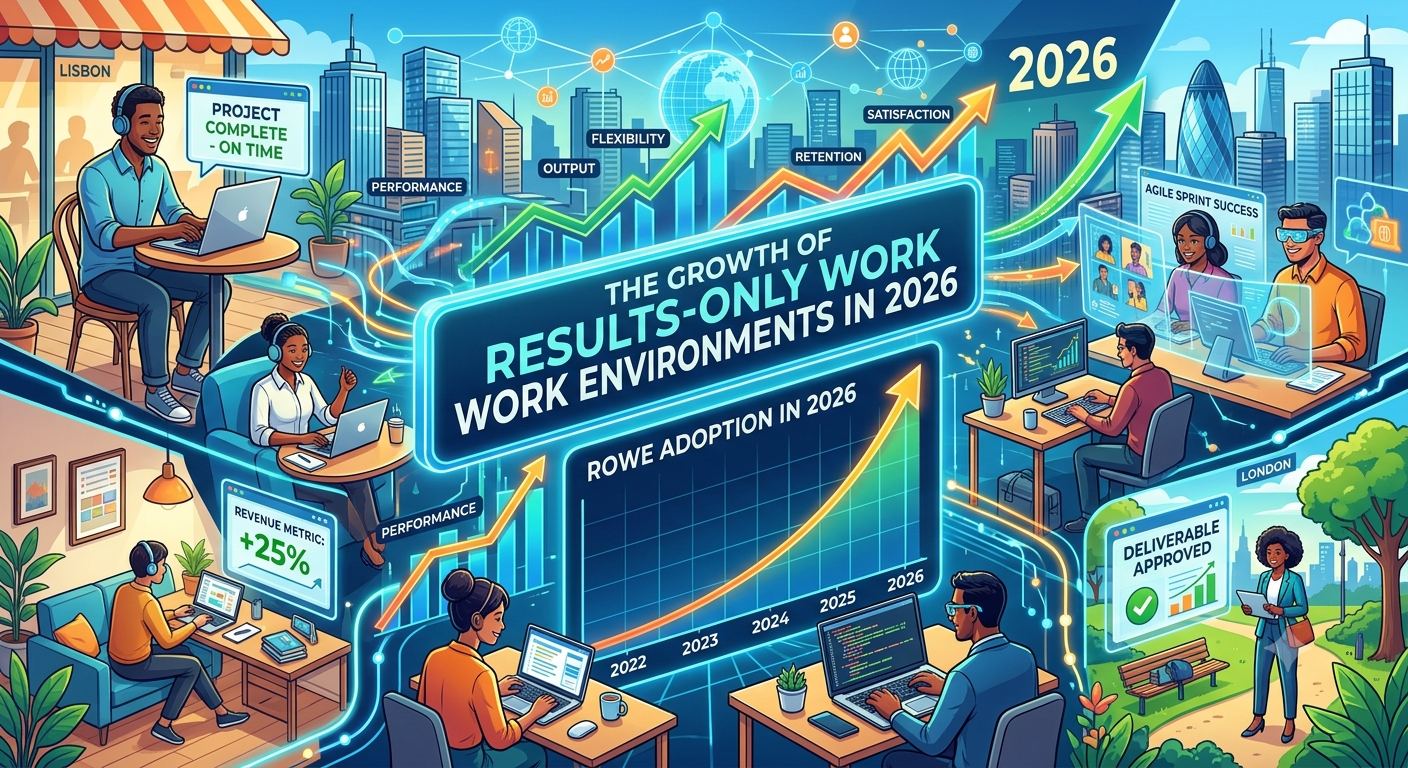
The growth of remote work has made it easier than ever for side projects to evolve into full-time careers.
Professionals can now:
- Work with global clients
- Sell digital products worldwide
- Build online businesses
- Offer remote consulting services
- Create location-independent careers
Many individuals who started projects as hobbies eventually discovered international opportunities through remote work.
Platforms such as best job tool, a global job platform, help professionals connect with remote employers who value demonstrated skills and project-based experience.
This accessibility has significantly increased the potential of side projects to become sustainable careers.
Financial Planning Supports Career Transitions
One reason some side projects successfully become full-time careers is careful financial planning.
Professionals rarely leave stable employment immediately.
Instead, they often:
- Build emergency savings
- Create transition plans
- Monitor project income
- Reduce financial risks
- Set realistic growth targets
Financial preparation allows individuals to make career transitions with greater confidence.
Rather than relying on hope alone, successful professionals combine ambition with strategic planning.
This balanced approach increases the likelihood of long-term success.
Building an Audience Creates Opportunities
Many side-project success stories involve building an audience before generating significant income.
Professionals often create value through:
- Educational content
- Industry insights
- Tutorials
- Newsletters
- Social media content
As audiences grow, opportunities frequently follow.
These opportunities may include:
- Consulting work
- Freelance contracts
- Speaking engagements
- Partnerships
- Employment offers
Trust and credibility built over time can become valuable professional assets.
An engaged audience often serves as proof of expertise and influence.
Networking Accelerates Growth
Side projects often introduce professionals to new communities and industry connections.
Networking opportunities emerge through:
- Online groups
- Professional forums
- Industry events
- Social media engagement
- Collaborative projects
These relationships provide:
- Mentorship
- Feedback
- Referrals
- Learning opportunities
- Business partnerships
Many professionals attribute their career breakthroughs to relationships developed while working on side projects.
Strong networks frequently help transform personal initiatives into professional opportunities.
Persistence Separates Success From Abandonment
Perhaps the most important lesson from professionals who turned side projects into careers is persistence.
Most successful projects experience:
- Slow growth
- Failed ideas
- Limited early income
- Technical challenges
- Market uncertainty
However, successful individuals continue learning and improving despite setbacks.
They understand that meaningful results often require sustained effort over extended periods.
Persistence allows projects to evolve, improve, and eventually create opportunities that may not have been visible at the beginning.
Conclusion
The stories of professionals who transformed side projects into full-time careers demonstrate that career opportunities often emerge from initiative rather than traditional pathways. What begins as a personal interest, learning exercise, or creative experiment can evolve into a rewarding profession through consistent effort and strategic growth.
These individuals succeeded by developing practical skills, creating valuable portfolios, embracing remote opportunities, building audiences, expanding networks, and managing financial risks carefully. Their experiences show that side projects are more than hobbies—they can become powerful career-building tools.
As the modern workforce continues to evolve, professionals have more opportunities than ever to create careers around their interests and expertise. By combining continuous learning, persistence, and opportunities discovered through best job tool, individuals can transform small projects into meaningful long-term career success.



Leave a Reply