Introduction
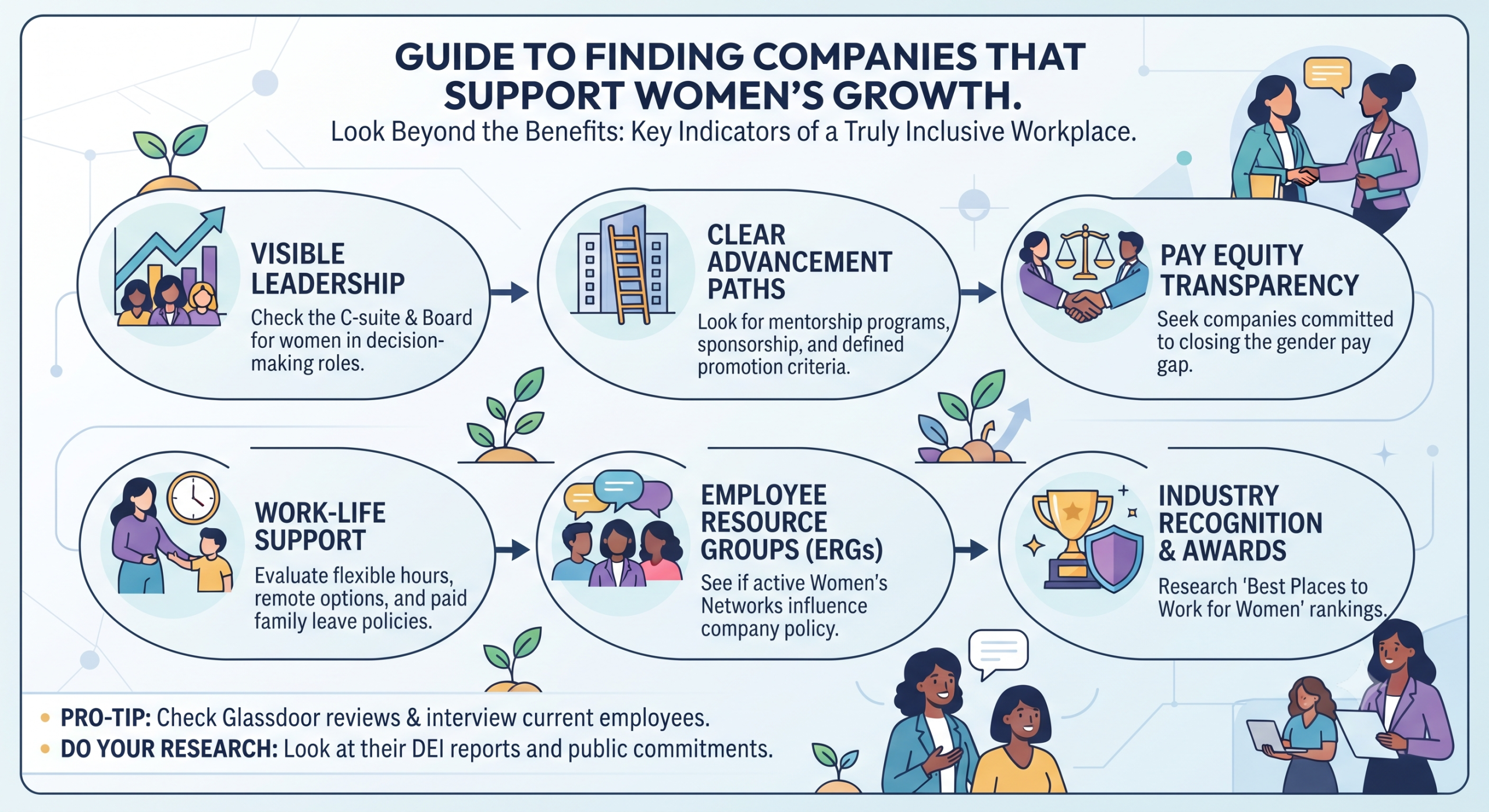
Finding a job is about more than salary and job title. For many women, long-term career success depends on working for an organization that actively supports professional development, leadership opportunities, flexibility, Support equal pay, and an inclusive workplace culture. While many companies promote themselves as diverse and inclusive, the reality can vary significantly. Understanding how to identify employers that genuinely invest in women’s growth is essential for making informed career decisions.
Today’s professionals have access to more company information than ever before. From employee reviews and leadership profiles to diversity reports and workplace policies, job seekers can evaluate whether an organization aligns with their career goals before accepting an offer. Combined with strategic research and the use of the best job tool, women can identify employers where they are more likely to thrive professionally.
This guide explores practical strategies for evaluating companies, recognizing meaningful workplace support, and selecting employers that provide real opportunities for long-term career advancement.
Why Workplace Support Matters for Women’s Careers
A supportive workplace has a direct impact on career progression, job satisfaction, and long-term financial growth. Companies that prioritize gender equality often experience stronger employee engagement, higher retention rates, and better leadership diversity.
Women benefit from workplaces that provide:
- Equal opportunities for promotion
- Transparent salary structures
- Flexible work arrangements
- Leadership development programs
- Professional mentoring
- Inclusive workplace culture
- Fair performance evaluations
- Access to learning and development resources
Choosing the right employer early in your career can significantly influence your professional growth over time.
Look Beyond Diversity Statements
Many organizations include diversity and inclusion statements on their websites, but these statements alone do not guarantee a supportive environment.
When researching a company, look for evidence such as:
- Published diversity and inclusion reports
- Gender representation in leadership roles
- Female executives and board members
- Equal pay commitments
- Employee resource groups for women
- Public recognition for workplace equality
- Career development initiatives for underrepresented employees
Real actions provide stronger indicators than marketing messages.
Research Company Culture Before Applying
Understanding company culture helps determine whether an employer genuinely supports career growth.
Review the company website and explore sections such as Careers, Employee Benefits, Leadership Team, Company Values, and Diversity Initiatives.
Read employee reviews on reputable employment platforms to identify recurring themes related to promotion opportunities, management support, work-life balance, career development, and inclusion. Focus on consistent patterns rather than isolated opinions.
Examine LinkedIn profiles of current and former employees. Notice whether women advance into leadership roles, how long employees typically remain with the organization, and whether internal promotions are common. These factors often reflect a healthy workplace culture.
Evaluate Career Development Opportunities
Companies committed to employee growth invest in continuous learning and professional development.
Look for employers that offer:
- Leadership development programs
- Professional certifications
- Tuition reimbursement
- Internal training platforms
- Mentorship opportunities
- Coaching programs
- Cross-functional projects
- Conference sponsorship
Learning opportunities demonstrate that an organization is committed to helping employees build long-term careers rather than simply filling positions.
Assess Workplace Flexibility and Well-Being
Modern workplaces recognize that flexibility improves productivity, employee satisfaction, and retention.
Supportive employers may provide:
- Remote work options
- Hybrid work models
- Flexible schedules
- Paid parental leave
- Childcare assistance
- Mental health resources
- Wellness programs
- Return-to-work initiatives after career breaks
These benefits contribute to sustainable career growth and allow professionals to balance personal and professional responsibilities effectively.
Ask the Right Questions During Interviews
Interviews are an opportunity to evaluate the employer just as much as they evaluate you.
Consider asking questions such as:
- How does the company support professional development?
- What percentage of leadership roles are filled through internal promotions?
- Are mentorship programs available?
- How are performance reviews conducted?
- What learning opportunities are available each year?
- How does the organization support work-life balance?
- What initiatives exist to promote diversity in leadership?
Thoughtful questions demonstrate professionalism while helping you gather valuable insights about the company’s culture and commitment to employee growth.
Use Data and Professional Networks
Networking often reveals information unavailable through official channels.
Useful resources include:
- Professional associations
- Industry conferences
- Alumni networks
- LinkedIn connections
- Women’s leadership communities
- Professional mentors
Speaking with current or former employees can provide honest insights into workplace culture, leadership support, and career progression.
When searching for new opportunities, use a trusted global platform like best job tool to discover remote, hybrid, and flexible positions. Reviewing company profiles, job descriptions, and available benefits can help you identify organizations that align with your career aspirations.
Build a personal evaluation checklist that includes career advancement opportunities, leadership representation, learning and development, flexible work policies, inclusive culture, compensation transparency, employee retention, and professional growth support. This structured approach helps you compare employers objectively instead of focusing only on salary or job titles.
Continue expanding your skills, growing your professional network, and exploring opportunities through best job tool. Combining careful research with strategic job searching increases your chances of joining an organization where your contributions are valued and your career can flourish.
Conclusion
Finding a company that genuinely supports women’s growth requires careful research, thoughtful evaluation, and strategic decision-making. Rather than relying solely on branding or recruitment messaging, examine leadership diversity, career development programs, workplace flexibility, employee experiences, and long-term advancement opportunities.
Organizations that invest in mentorship, continuous learning, inclusive leadership, and flexible work environments create stronger foundations for professional success. By asking informed questions, researching company culture, networking with professionals, and leveraging best job tool, women can identify employers that value their skills, encourage leadership, and provide meaningful opportunities for career advancement.
A supportive workplace is more than an attractive benefit—it is a critical factor in building a fulfilling, sustainable, and successful career.




Leave a Reply