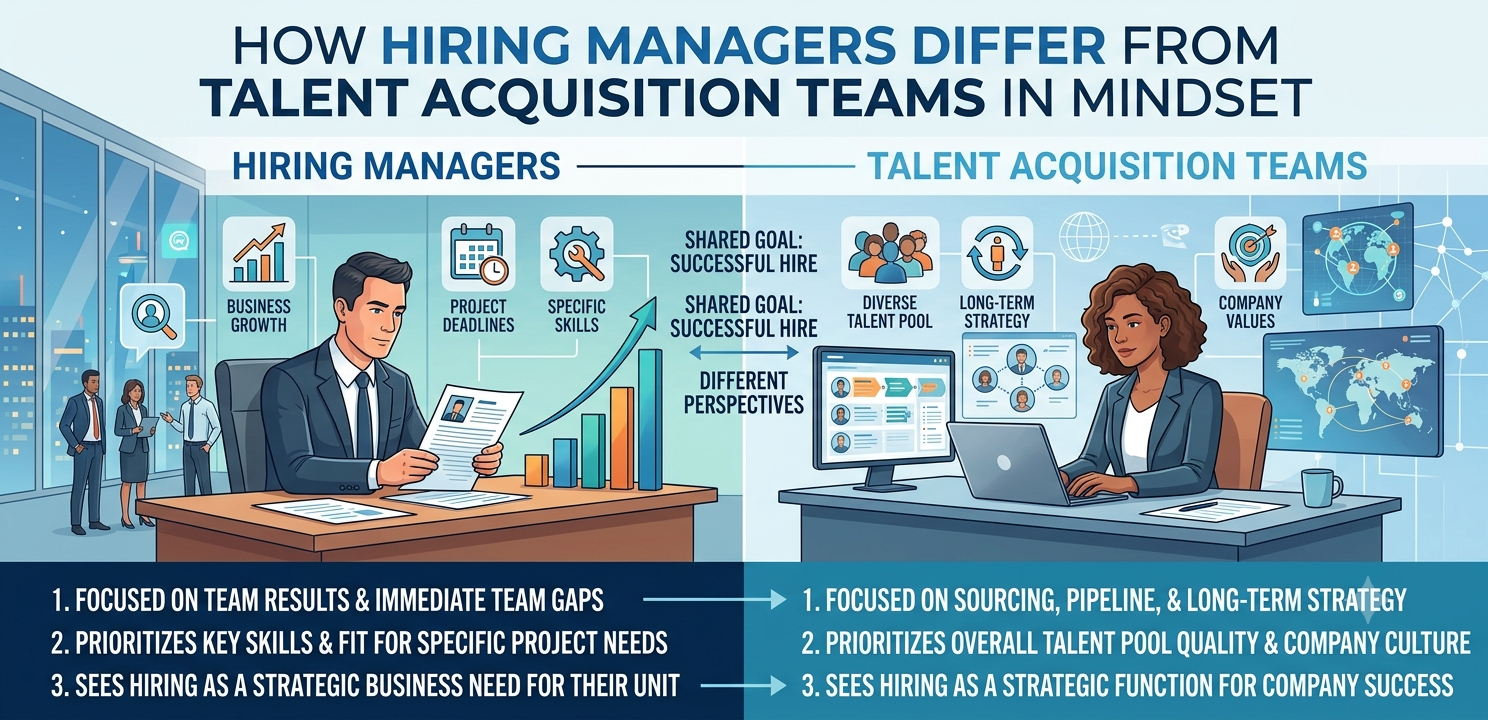
Introduction: Culture-Fit Interviews
Culture-fit interviews may appear challenging as they delve deep into your personalities, behaviors, and attitudes, rather than focusing on the technicalities of the position. You may find yourself questioning whether you are authentic enough or if your personality matches the company culture.
The crucial insight is to realize that an interview is not about transforming you into someone else; it is about identifying how you operate under certain conditions.
How to Handle Culture-Fit Interviews Without Losing Yourself Essay?
1. Understanding the Concept of Culture Fit
The first step to excelling in a culture-fit interview is understanding its basics. Culture-fit is not about “being like everyone else” since the company culture could value vastly differing behavioral styles. The interviewer is more concerned with ascertaining whether you can perform the job considering the work style expected.
For instance, if the organization has a strong collaborative culture, the interviewer may probe deeper into your ability to operate in a highly interactive setting. At the same time, if the work environment entails working independently, the interviewer may ask how you operate under such conditions.
Therefore, it is essential to review the job description and infer the preferred work style based on the provided information.
2. Avoiding the Common Pitfalls
A common pitfall that candidates knowingly – or unknowingly – stumble into is modifying their personality. Most candidates who demonstrate overly agreeable behavior are more eager to secure the position and appear pleasing to the interviewer.
However, this approach can backfire since you may end up in a job you cannot stand due to differing expectations.
For instance, if you appreciate highly interactive settings but modify your nature to indicate a preference for solo projects, you may find yourself in a boring work environment filled with paperwork. You can be your best self, but it does not mean you need to transform entirely.
3. Preparing Relevant Examples
The best strategy for culture-fit interviews lies in preparing relevant examples. Think of situations in the past that demonstrate your work style, attitude, and behaviors.
Some common problems entail handling difficult coworkers, receiving adverse feedback, correcting mistakes, handling disagreements, meeting deadlines, mentoring juniors, accepting accountability, adapting to new conditions, and acquiring new skills.
Use these instances as a guideline but ensure that you provide concrete examples of situations, actions, and outcomes. A simple statement that you are a hard worker will not suffice (unless, of course, you can provide concrete examples).
The truth remains that a single scenario can say more about you than an entire essay.
4. Being Honest About Your Like and Dislike
Honesty should always be the best policy, even when answering culture-fit questions. If you appreciate working under certain conditions, you should say so, even if it entails walking away from the position if the conditions are not met.
For instance, if you operate best when working under well-defined guidelines, avoid portraying yourself as a self-starter since it indicates a liking for ambiguous or undefined guidelines.
The same perspective applies when explaining your preferred work environment. It is advisable to state your likes and dislikes honestly. It will also help you identify if the company is a good fit for you.
5. Asking the Right Questions
Culture-fit interviews are not always about answering questions but also asking the appropriate ones. Think of insightful questions that will provide more information about the company culture, allowing you to ascertain whether it is a good fit.
Some exemplary questions include, “How do you define success in this position?” “How do you prefer to communicate with your team?” “What is your preferred approach to handling disagreements?” “How does the manager give feedback?”, “What is their reaction when mistakes occur?” “How much independence is expected in this position?”
A company’s culture can be significantly distinct from the image it projects on company directories. Therefore, asking incisive questions will enable you to extract more information from potential employers.
6. Avoiding Overly Effusive Language
While it may seem that agreeing with everything the interviewer says will increase your chances of receiving the offer, you may come across as disingenuous. In other words, it is advisable to avoid overusing “yes” language.
Instead, it is critical to relate your work style to the requirements of the position. For instance, if the organization prefers collaboratively handling issues, provide an example of a situation where you achieved positive results by cooperating with others.
On the other hand, if the company appreciates self-starters, relate an incident that demonstrates your ability to operate efficiently under such conditions.
Conclusion: Culture-Fit Interviews
Culture-fit interviews should help you understand whether a company’s values, expectations, and working style align with your own—not require you to change who you are to get the job.
Prepare by researching the organization, reflecting on your strengths and values, and answering questions honestly with relevant examples. Stay professional while remaining authentic, and remember that you are also evaluating whether the workplace is right for you.
Ready to approach culture-fit interviews with confidence while staying true to yourself? Use the Best Job Tool platform to explore opportunities, prepare for interviews, and find roles that align with both your skills and values. Start your job search today and focus on finding a workplace where you can succeed without compromising who you are.



Leave a Reply