
Introduction: Side Projects While Working Full-Time
Many people think that they will do side projects while working full-time job so they can earn more and gain experience. But doing a side project with a full-time job may sound exciting, yet when you actually try it, you realize it is not that easy.
If you don’t work with the right strategy, you can burn out quickly. Because of this, you may not be able to do your full-time job properly or focus on your side project, and instead of growing, your progress may stop.
That is why it is very important to understand how you can run side projects while working full-time without burning out. In this article, you will learn all the important things about it.
How to Run Side Projects While Working Full-Time Without Burning Out?
1. Stop Thinking Daily — Start Thinking Weekly
If you think or have planned that you will work on your side project every day after your full-time job, believing this will help you grow and manage both things well, then that is not completely true. After a long workday, you may not be able to give your full effort to your side project. Because of this, you may start feeling burned out.
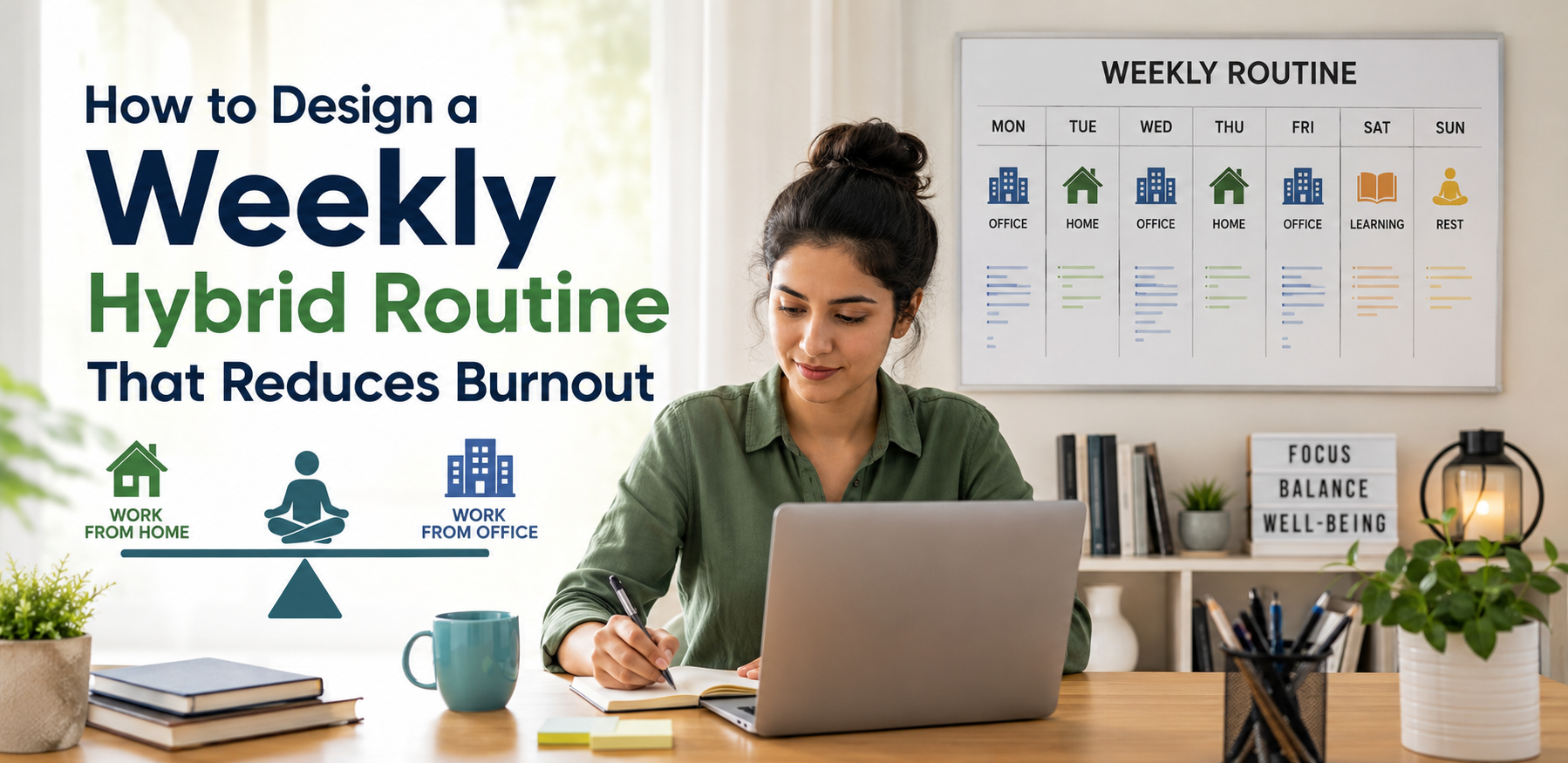
That is why you should stop thinking daily and start thinking weekly. Instead of working a little every day, try to work on your side project two to three days a week. Also, choose a time when your productivity is at its peak so you can give your best effort.
2. Keep the Scope Small (Painfully Small)
Everyone wants quick results and fast growth, but this often becomes their biggest mistake. When people put too much pressure on themselves to grow quickly, they start feeling burned out.
That’s why you should work on your side project step by step. This helps you give your full effort without feeling overwhelmed. For example, if you set a goal like “I will build a full blog website and audience in just 2–3 days,” it will create pressure. Instead, it is better to say, “I will write one article per week for 4 weeks.” This gives you clear action and direction, and helps you build momentum instead of chasing intensity.
3. Define a Clear Outcome, Not Just Activity
The most important thing is to have clarity. If you are not clear about your work, you will get stuck at every step. You may feel confused, frustrated, and even burned out. That is why you should stay clear about what you have to do and how you will do it.
If you only think, “I will work on my side project,” it does not tell you what your first action is or what your next step should be. You will feel confused about where to start and what to do. But if you set a clear target—for example, “I will complete one LinkedIn post in a day”—it makes your work clear. Clarity reduces procrastination and overthinking.
4. Use Energy-Based Scheduling
No matter how much you push yourself to work, you cannot do your best work unless your mind is fresh and energetic. Many people feel mentally exhausted after working for long hours. Their body needs rest, but they still force themselves to keep working. This is not a good approach.
When you are not mentally productive, even if you complete your work, the quality will not be good. That is why the best way is to divide your work based on your energy levels.
When you have high energy, use that time for creative tasks like writing or generating ideas. When you feel low on energy, do simple tasks like editing or formatting. This way, you won’t put too much pressure on your mind, and your work will be completed more effectively with better quality.
5. Build a “Minimum Version” System
Many times, your full-time job becomes very busy. You complete many tasks and attend several meetings, and by the end of the day, you feel very exhausted. If you still try to do a lot of work on your side project at that time, you can burn out very quickly.
We all know consistency is important, but consistency does not mean doing low-quality work. On busy days, try to do the smallest version of your side project. For example, if you usually write 500 words daily, then on a busy day you can just write two lines or create an outline instead of completing the whole task. This helps you stay consistent without putting too much pressure on yourself.
6. Avoid the “Second Full-Time Job” Trap
If your side project starts feeling like another job, it will make you burn out more quickly.
First, ask yourself: is this side project aligned with my long-term goals, or am I just copying what others are doing?
Also, choose projects that give you leverage, not just require constant effort.
Conclusion: Side Projects While Working Full-Time
Running a side project with a full-time job isn’t about pushing yourself to the limit—it’s about working with intention. When you keep your goals small, plan your time wisely, and protect your energy, consistency becomes easier and burnout becomes avoidable.
Remember, your side project is meant to build your future, not exhaust your present. Even a few focused hours each week can create meaningful progress over time. Stay patient, stay consistent, and let your growth compound gradually.
“Balance your full-time job and side projects smartly — explore flexible opportunities on Best Job Tool that support your growth without burnout.”



Leave a Reply