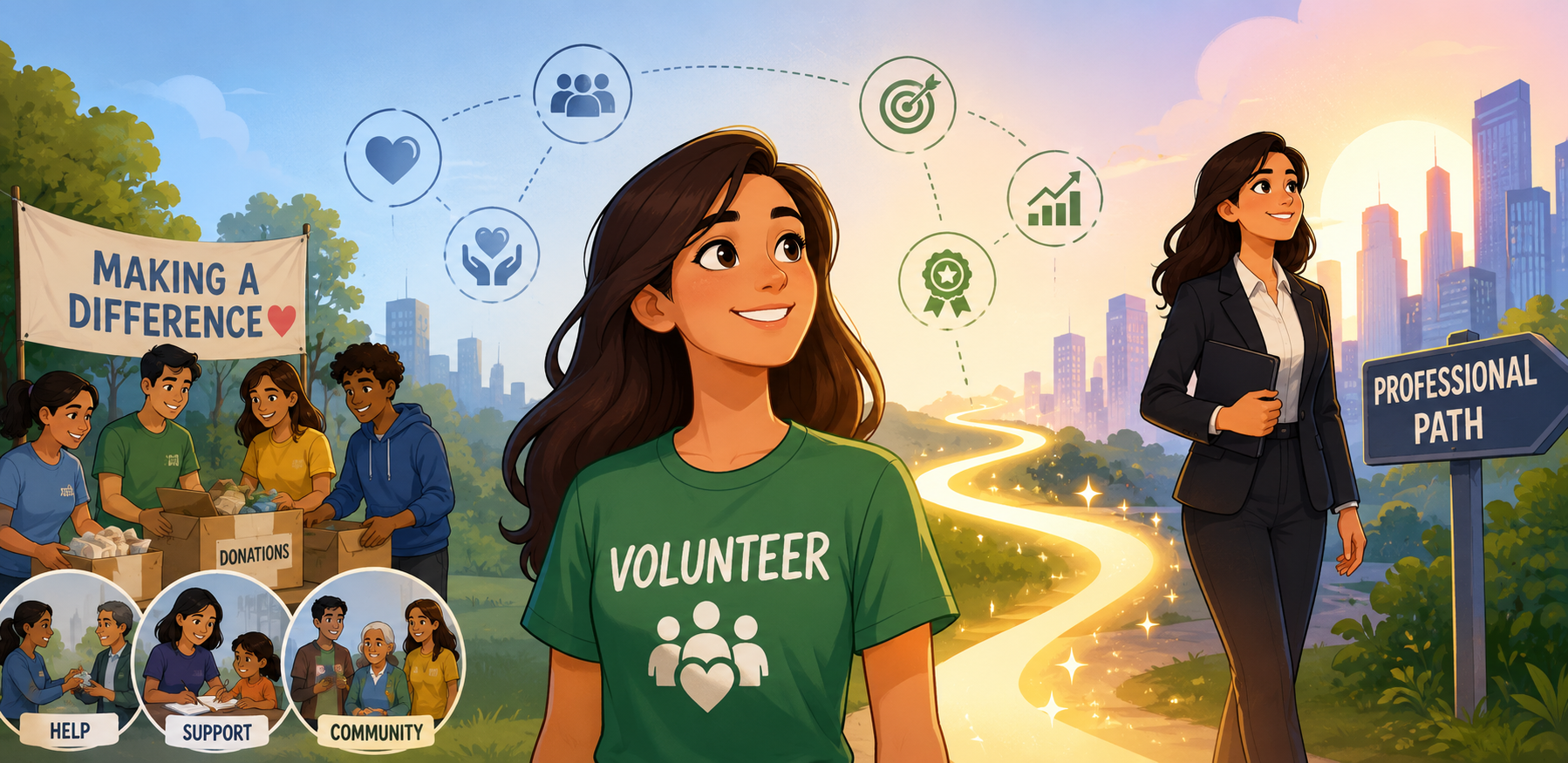
Introduction: Volunteering Experience
Have you done volunteering, or are you currently volunteering just to help others? But did you know that you can turn your volunteering experience into a professional career path and build a successful career?
Like many people, you may be confused about whether your volunteering experience can help you get better career opportunities or not.
Volunteering helps you develop many valuable skills that companies look for. That is why employers today often prefer candidates who have volunteering experience, as they are more likely to perform well in the workplace.
In this article, we will explore some effective and practical ways to turn your volunteering experience into a professional career path.
How to Turn Volunteering Experience Into a Professional Path?
1. Understand the Value of Your Volunteer Experience
The very first thing you need to do is stop underestimating your volunteering experience. You need to understand its value. Many people think that volunteering experience does not matter to companies, but that is not true.
If you have volunteering experience, companies may give you more preference because many of the skills they look for in candidates can be gained through volunteering. These skills include organizing events, managing teams, coordinating schedules, handling communication, and creating content.
By highlighting these skills, you can improve your chances of getting a good career opportunity.
2. Understand the Value of Your Volunteer Experience
While volunteering, candidates develop many transferable skills that can help them get a paid job more easily.
Transferable skills are skills that are useful in almost every field and industry. These are important skills that help employees work effectively and smoothly. Some common transferable skills include communication, leadership, problem-solving, time management, and teamwork.
During volunteering, candidates naturally develop these skills through their work and responsibilities. As a result, they become more qualified and better prepared to take advantage of different career opportunities.
3. Document Your Achievements
Many people make a common mistake: they do not document their achievements. Because of this, when they get an interview for a good opportunity in the future and need to talk about their achievements, they often forget important details. They end up talking only about the tasks they completed, which can reduce their impact on the interviewer and lower their chances of getting hired.
That is why, while volunteering, you should keep a record of all your achievements. During interviews, do not just talk about your tasks—also share the results of your work. For example, mention the number of events you organized, the amount of funds raised, the number of people you served, the volunteers you coordinated, the social media growth you achieved, and the projects you completed.
Showing both your responsibilities and your results can make a much stronger impression on recruiters.

4. Add Volunteer Experience to Your Resume
Many people do not include their volunteering experience on their resume, which is a big mistake. By not adding it, you may reduce your chances of getting hired, even if you have valuable experience.
So, do not make this mistake. Add your volunteering experience to your resume, especially if you are early in your career and do not have much professional experience yet.
You can create a separate section called “Volunteer Experience” or “Relevant Experience.” In this section, include the organization name, your position or role, the dates you volunteered, your responsibilities, and your achievements.
When you add volunteering experience to your resume, it increases your value as a candidate and helps employers see your skills and experience. This can improve your chances of getting hired.
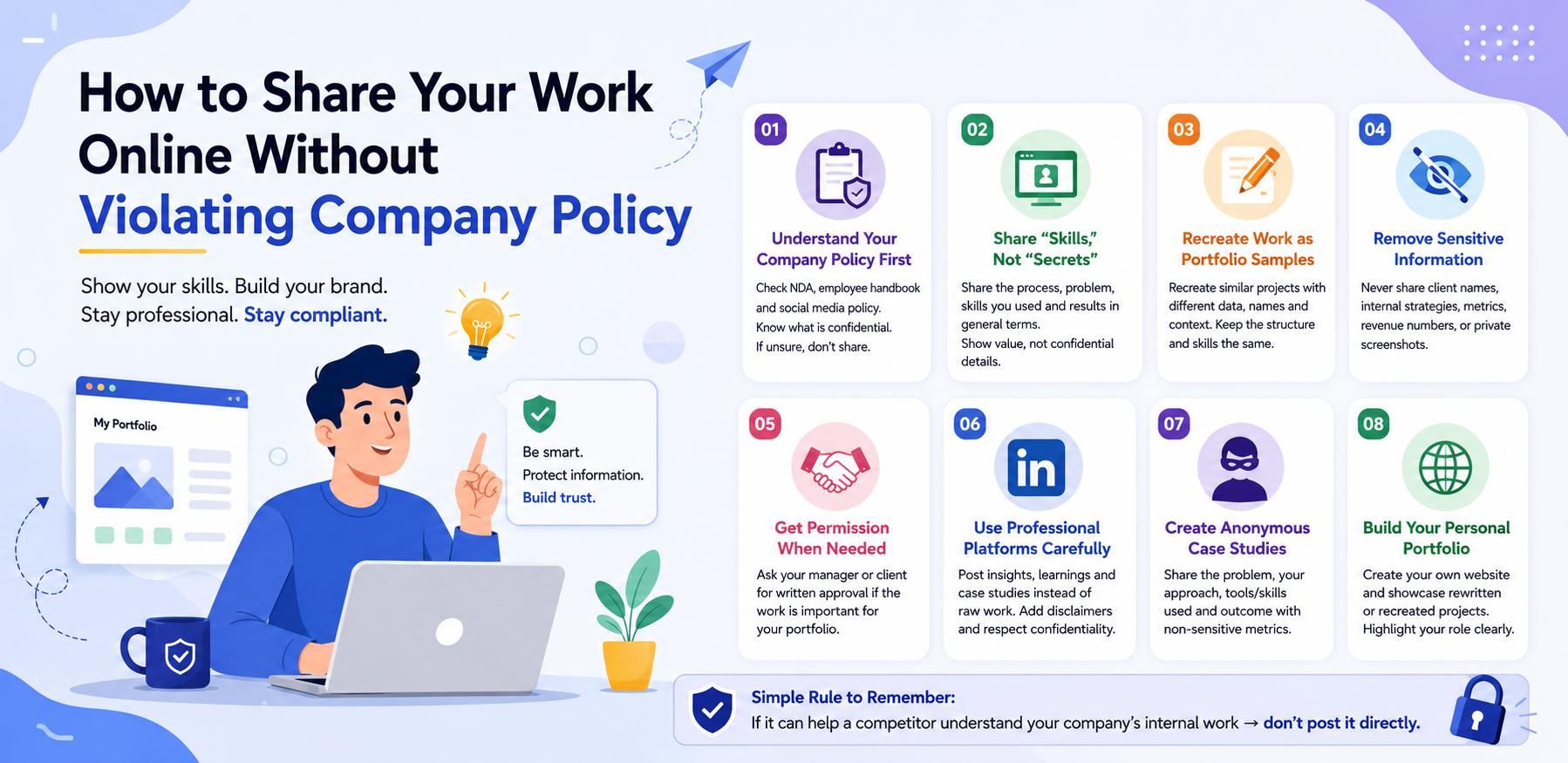
5. Build a Professional Portfolio
One of the best ways to use your volunteering experience to build a successful career is by creating a professional portfolio.
A portfolio is a collection of your best work that acts as proof of your skills and experience. You can share it with employers or clients who want to see the quality of your work.
During volunteering, you may learn and work on many valuable activities such as event planning, blog writing, marketing content, and social media campaigns. These experiences increase your value and help you develop important skills.
When you create a separate portfolio to showcase this work, it becomes strong evidence of your abilities. You can use it to impress employers or clients and improve your chances of getting career opportunities.
Conclusion: Volunteering Experience
Volunteering is much more than just helping others. It is also a great way to develop valuable skills, gain practical experience, and create new career opportunities. By identifying the value of your volunteering work, building transferable skills, documenting your achievements, adding your experience to your resume, and creating a professional portfolio, you can turn your volunteering experience into a successful professional path.
“Your volunteering experience is more than community service—it can be the foundation of a successful career. Discover new opportunities with Best Job Tool.”




Leave a Reply