Introduction: Why Judgment Matters in Professional Growth
In today’s competitive work environment, judgment is one of the most valuable skills a professional can develop. It influences decision-making, problem-solving, and overall leadership effectiveness. Good judgment is not simply a natural talent; it is a skill that can be strengthened over time. One of the most effective ways to enhance judgment is through reflection. Reflection allows individuals to evaluate their past actions, understand outcomes, and refine their thinking process. Professionals who actively reflect are better equipped to make smarter, more informed decisions in the future. This is why reflection is increasingly recognized as a core habit for continuous improvement and long-term career success.
Understanding the Connection Between Reflection and Judgment
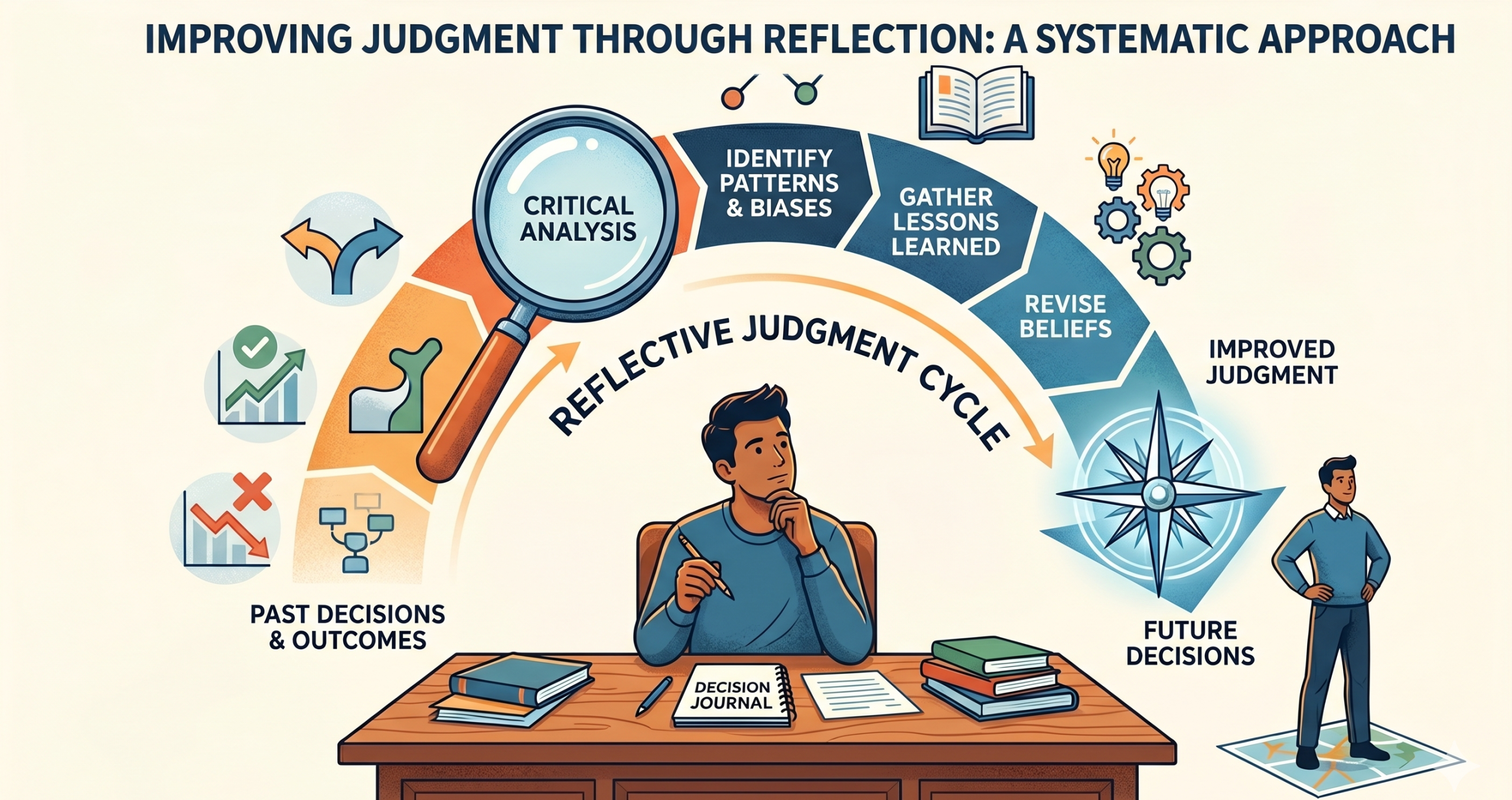
Reflection is the process of reviewing experiences, analyzing decisions, and identifying lessons learned. It helps individuals move beyond surface-level thinking and gain deeper insights into their actions. When professionals reflect regularly, they begin to recognize patterns in their decision-making. This awareness improves their ability to evaluate situations more accurately.
Reflection strengthens judgment by:
- Highlighting past mistakes and successes
- Encouraging critical thinking
- Improving self-awareness
- Enhancing decision-making frameworks
By consistently reflecting, individuals develop a more structured and thoughtful approach to judgment, reducing impulsive or uninformed decisions.
How Self-Awareness Enhances Better Decision-Making
Self-awareness is a key outcome of reflection and a critical component of strong judgment. When individuals understand their strengths, weaknesses, and biases, they are better prepared to make balanced decisions. Reflection allows professionals to identify emotional triggers and avoid letting them influence important choices.
Ways self-awareness improves judgment:
- Helps recognize personal biases
- Encourages objective thinking
- Builds emotional intelligence
- Supports balanced decision-making
Leaders who practice self-awareness are more likely to make fair, consistent, and well-informed decisions that benefit both individuals and organizations.
Learning from Mistakes to Strengthen Judgment
Mistakes are an inevitable part of professional life, but they also provide valuable learning opportunities. Reflection turns mistakes into insights by helping individuals understand what went wrong and why. Instead of repeating errors, reflective professionals use past experiences to improve future outcomes.
How reflection turns mistakes into growth:
- Identifies root causes of errors
- Encourages accountability
- Promotes continuous learning
- Builds resilience in decision-making
By viewing mistakes as learning opportunities, professionals can refine their judgment and become more confident in handling complex situations.
Developing a Structured Reflection Process
Improving judgment requires consistency, and this can only be achieved through a structured reflection process. Random or occasional reflection is not enough to create meaningful improvement. Professionals should adopt a regular practice that allows them to review their decisions systematically.
Effective reflection practices include:
- Setting aside time for daily or weekly reflection
- Writing down key decisions and outcomes
- Asking critical questions about actions taken
- Identifying areas for improvement
A structured approach ensures that reflection becomes a habit rather than an occasional activity, leading to continuous improvement in judgment.
How Reflection Improves Strategic Thinking
Strong judgment is closely linked to strategic thinking. Reflection helps individuals connect short-term decisions with long-term goals, improving their ability to think strategically. By analyzing past experiences, professionals can identify which decisions align with their objectives and which do not.
Strategic advantages of reflection include:
- Better alignment with long-term goals
- Improved decision consistency
- Enhanced ability to anticipate outcomes
- Stronger focus on priorities
Reflection enables professionals to make decisions that are not only effective in the present but also beneficial for future growth.
Using the Best Job Tool to Support Reflective Learning
In the digital age, professionals can enhance their reflection process by using modern platforms like the Best Job Tool. These tools provide insights into performance, skill gaps, and career trends, helping individuals make more informed decisions. Reflection combined with data-driven insights leads to stronger judgment and better career planning.
Benefits of using the Best Job Tool include:
- Access to performance insights
- Identification of skill gaps
- Data-driven decision-making support
- Improved career development strategies
By integrating technology into reflection, professionals can make more accurate and impactful decisions.
Conclusion: Building Strong Judgment Through Consistent Reflection
Improving judgment is a continuous process that requires awareness, learning, and discipline. Reflection provides the foundation for this growth by helping individuals understand their actions and refine their thinking. Professionals who make reflection a regular habit develop stronger decision-making skills, better strategic thinking, and greater confidence in their choices. In a rapidly changing work environment, strong judgment is a competitive advantage. By combining consistent reflection with tools like the Best Job Tool, individuals can enhance their leadership capabilities and achieve long-term professional success.





Leave a Reply