
Introduction: Emergency Career Backup Plan
Today’s job market is changing very fast. Many new technologies are being introduced, new tools keep coming, and new trends keep emerging. In such a situation, if you depend on only one skill or one job, it can be a big risk for you. To avoid facing this risk, it is important to build an emergency career backup plan.
In this article, we will talk about how you can build an emergency career backup plan with simple and easy tips.
How to Build an Emergency Career Backup Plan?
1. Identify Your Core & Transferable Skills
The first way to build an emergency career backup plan is to identify your core and transferable skills.
Transferable skills are skills that can be used in any field, no matter what job you do. Examples include communication, writing, research, and problem-solving.
Start by listing what you are already good at, such as writing, research, communication, social media handling, or designing. When you know which skills you are strong in, you will have more options. If one job stops, you can quickly try another field without wasting time, because you already understand your core skills.
2. Create a “Second Income Stream” Early
If you are doing a job and depend only on that one job, with just one source of income, and you think that you will try something else only after the job ends, then this is very risky.
Once your work stops, starting something new takes a lot of time and effort. It can also waste a lot of your time, and there is no guarantee of when your new work or income will begin.
That’s why, along with your main job, it is a smart move to start a small second source of income. For example, if you are a content writer, your main job can be content writing, and you can also do freelance work on the side.
This way, you already have a backup plan. If your main job stops for any reason, you will still have another source of income. It will reduce your stress and give you time to find or build your next opportunity easily.
3. Build a Ready-to-Use Portfolio for Emergency Career Backup Plan
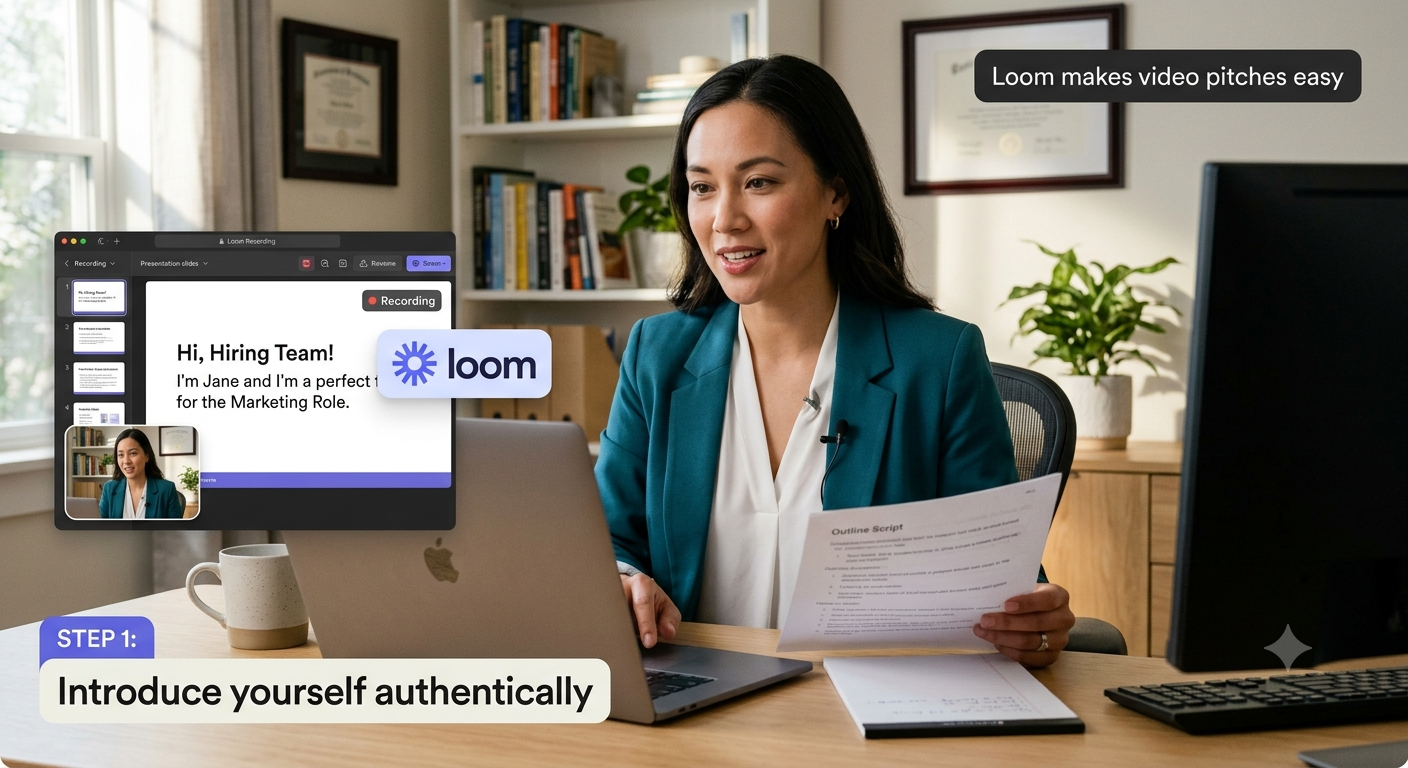
Your backup plan will only work if you can prove your skills quickly. For this, you should prepare your portfolio in advance, because you never know when you might need it.
That’s why you should keep 5 to 10 strong samples ready. To create samples, you can use platforms like WordPress. In your portfolio, always include results such as views, engagement, or outcomes.
If someone asks about your work and it can lead to an opportunity, having a ready portfolio helps you share it instantly. This makes the process faster and increases your chances of getting the opportunity.

4. Keep Your Resume & Profiles Updated
Keeping your resume and profiles updated is another important tip for building an emergency career backup plan.
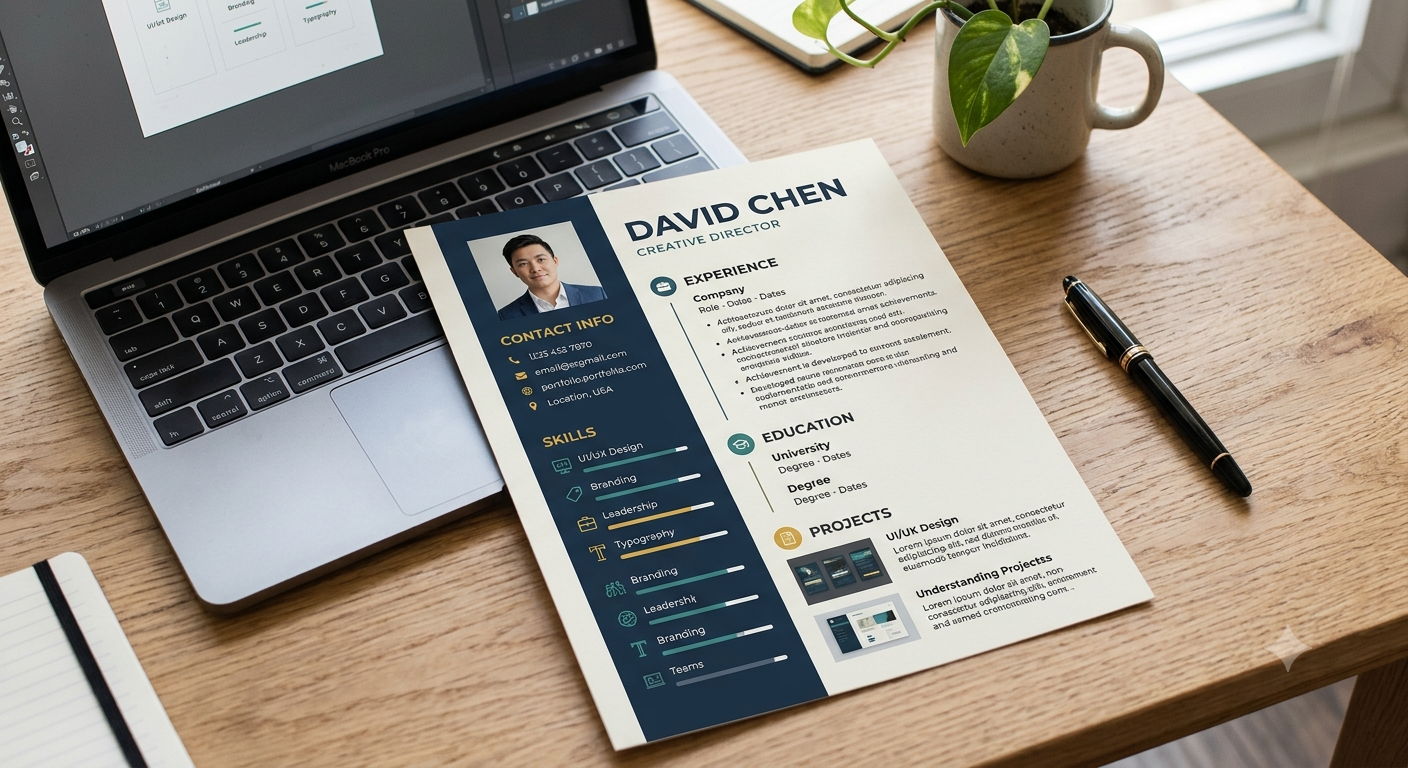
Many people only focus on their resume after they lose their job. They update it and then start applying, but this wastes a lot of time. Your resume should be updated regularly so it is always ready to share or use when an opportunity comes.
The best thing you can do is update your resume every month. Add any new improvements or achievements, remove anything unnecessary, and tailor it for different roles.
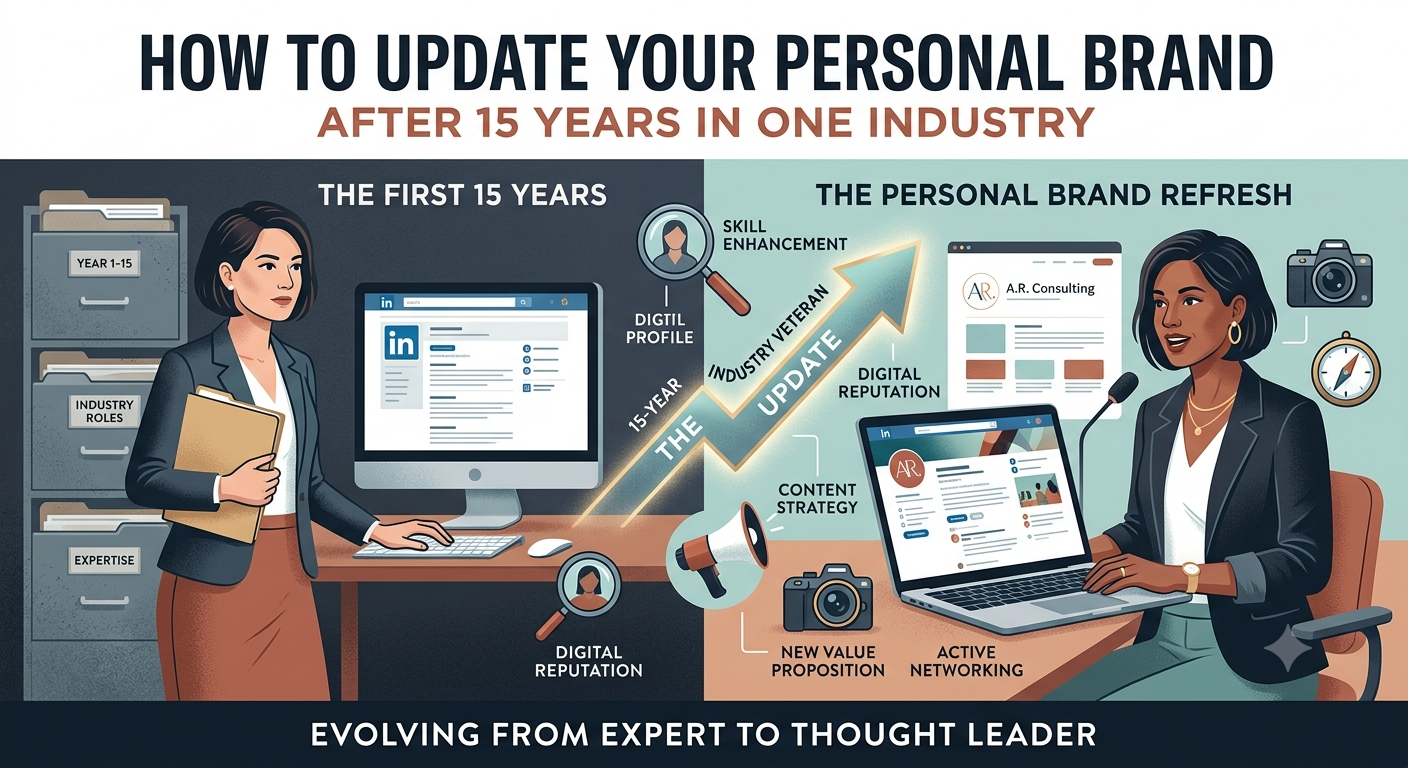
Along with your resume, you should also keep your profiles updated. You never know when someone might view your profile. If it is updated and well-optimized, it can impress the viewer and even bring you new opportunities.
That is why you should optimize your profile on LinkedIn. Your backup plan should always include a ready-to-send application.
5. Build Strong Professional Connections
Most opportunities do not come from job portals, but from talking to people. When you connect with others, share your work, learn about their work, and explore new things, many times they like what you do and may offer you an opportunity. That’s why building professional connections is very important.
To build professional connections, stay active on LinkedIn. Comment on posts, engage with others, share your insights, and connect with people in your field. A strong network helps you recover faster during job loss.
6. Learn One “Emergency Skill”
Another very important way to build an emergency career backup plan is to learn one emergency skill.
Choose a skill that is in high demand and can help you earn quickly, such as copywriting, SEO, or basic email marketing.
Even a beginner-level skill can generate income if you apply it well.
Conclusion
An emergency career backup plan is not a luxury—it’s a necessity in today’s unpredictable job market. Relying on a single income source is risky, but building multiple options gives you control, confidence, and stability.
By developing transferable skills, creating a side income, maintaining a strong portfolio, and staying active on platforms like LinkedIn and Upwork, you ensure that you’re never starting from zero. Instead, you’re always one step ahead.
The goal isn’t just to survive a crisis—it’s to stay prepared so that even during uncertainty, you can adapt, earn, and move forward without panic.
“Don’t wait for uncertainty to hit — build your backup plan today and explore alternative opportunities on Best Job Tool to stay prepared.”


Leave a Reply