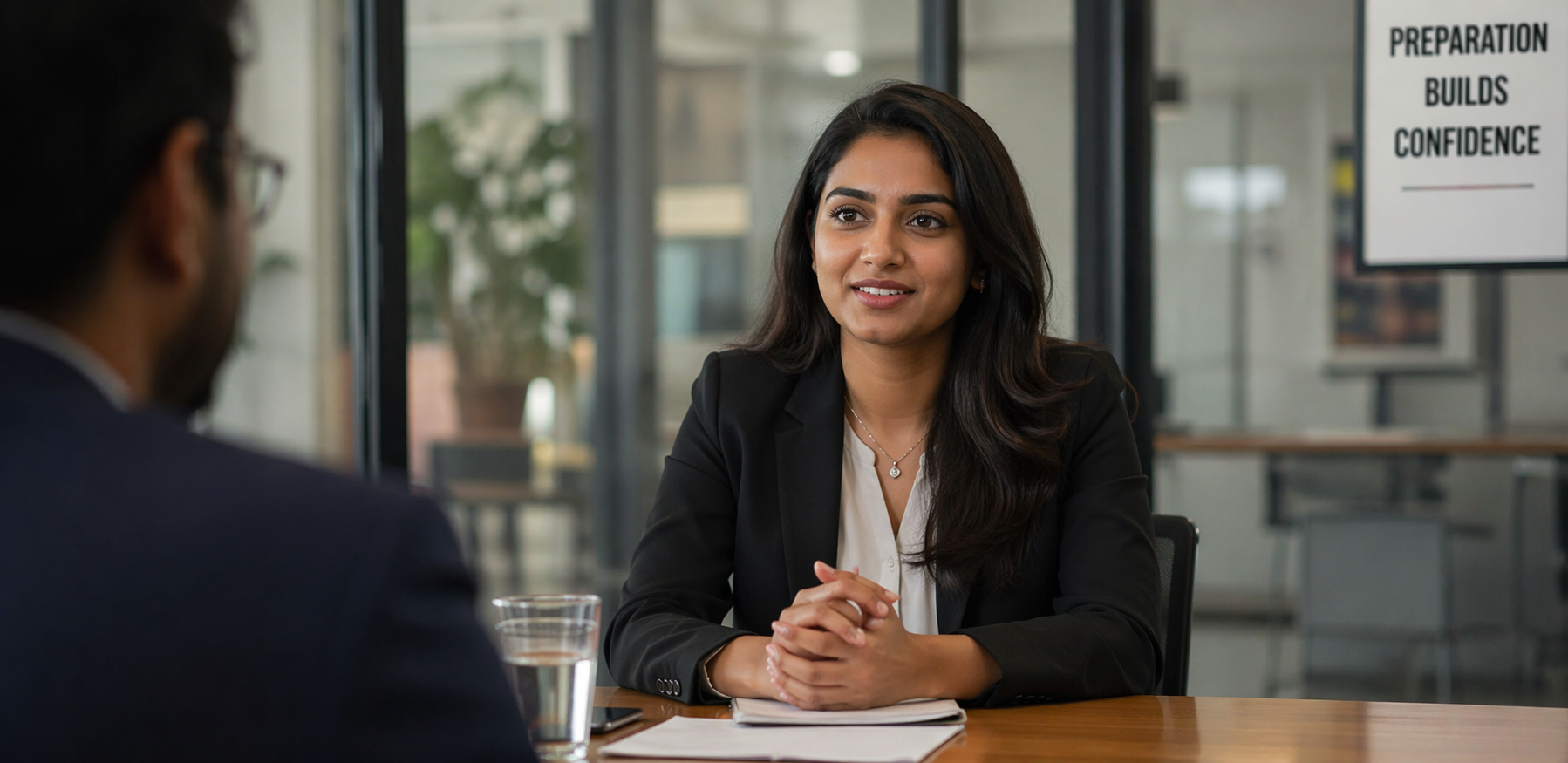
Introduction: Nervous Energy Into Powerful Interview Presence
An interview is a stage where everyone—whether a beginner or a professional—starts to feel nervous. Feeling nervous is completely natural because, in an interview, the recruiter evaluates us, and we have to prove ourselves at our best. That’s why we feel nervous. However, nervousness becomes a problem when we are unable to control it and start reacting poorly or giving wrong answers.
One of the most effective ways to manage nervousness is to turn nervous energy into a powerful interview presence. This helps you perform better, give your best answers, and present yourself in the best possible way.
In this article, we will explore how you can turn nervous energy into a powerful interview presence.
How to Stay Calm When an Interview Is Clearly Going Wrong?
1. Reframe Nervousness as Excitement
Whether we feel very scared or very excited, our body reacts in a similar way—fast heartbeat, alert mind, and adrenaline. These same things happen when we are nervous and when we are excited. That’s why we have an advantage: we can turn nervousness into excitement.
Instead of thinking, “I am nervous,” tell yourself, “I am excited and ready.” This helps your mind believe that you are not nervous, just excited. The body signals you feel will start to seem like excitement, which can boost your confidence and help you perform better in the interview.
2. Convert Energy Into Preparation
In an interview, everyone feels nervous, and that is completely natural. But nervousness increases when we focus only on it and think about nothing else. This makes the nervousness grow, and because of that, we are not able to perform well in the interview.
To manage this, you need to give direction to your thoughts. Whenever you are waiting for your turn, use that time wisely—practice your answers, prepare strong stories, and research the company deeply. This shifts your focus from nervousness to preparation. As a result, you gain more clarity about the interview, which helps you feel more confident.
3. Use Controlled Breathing Before the Interview
Because of nervousness, your heartbeat becomes very fast. And the faster your heartbeat gets, the more your nervousness increases.
That’s why, a few minutes before entering the interview, try a simple breathing exercise: inhale for 4 seconds, hold for 4 seconds, and exhale for 6 seconds.
Breathing Pattern: 4s inhale→4s hold→6s exhale
This helps you stay calm and relax your nervous system, so you feel more in control and composed during the interview.
4. Channel Energy Into Body Language
In an interview, appearing calm is often more important than actually feeling calm because it makes the recruiter see you as a confident person who can handle work well.
But if you keep thinking, “I need to look calm,” it can actually make you feel even more nervous. So instead, try to stay natural. Sit upright, use natural hand gestures, maintain eye contact, and keep a slight smile.
By doing this, you will gradually start to feel more confident, and your nervousness will reduce.

5. Slow Down Your Speech to Turn Nervous Energy Into Powerful Interview Presence
Another way to turn nervous energy into a powerful interview presence is to slow down your speech.
When people feel nervous, they usually start speaking very fast because they want to finish their answers quickly and get the interview over with. But this is a mistake because the recruiter may not clearly understand your responses, and they may also lose interest. This can increase your chances of rejection.
Instead, pause before answering, speak slightly slower than your normal speed, and emphasize key points. This will make you sound more thoughtful, confident, and less anxious.
6. Focus on Value, Not Judgment
Nervousness increases when you keep thinking, “What will they think about me?” Instead of this, if you shift your mindset to, “How can I help them?”, you start focusing on solving problems rather than worrying about judgment.
This change in thinking helps you present yourself in a better way. Recruiters get more impressed because you sound solution-focused, and at the same time, your nervousness naturally reduces.
7. Use a Strong Opening Line
In an interview, the first 30 seconds are the most important because this is when most people feel the highest level of nervousness. If you are able to control these initial 30 seconds and stay confident, you will naturally feel more confident for the rest of the interview as well.
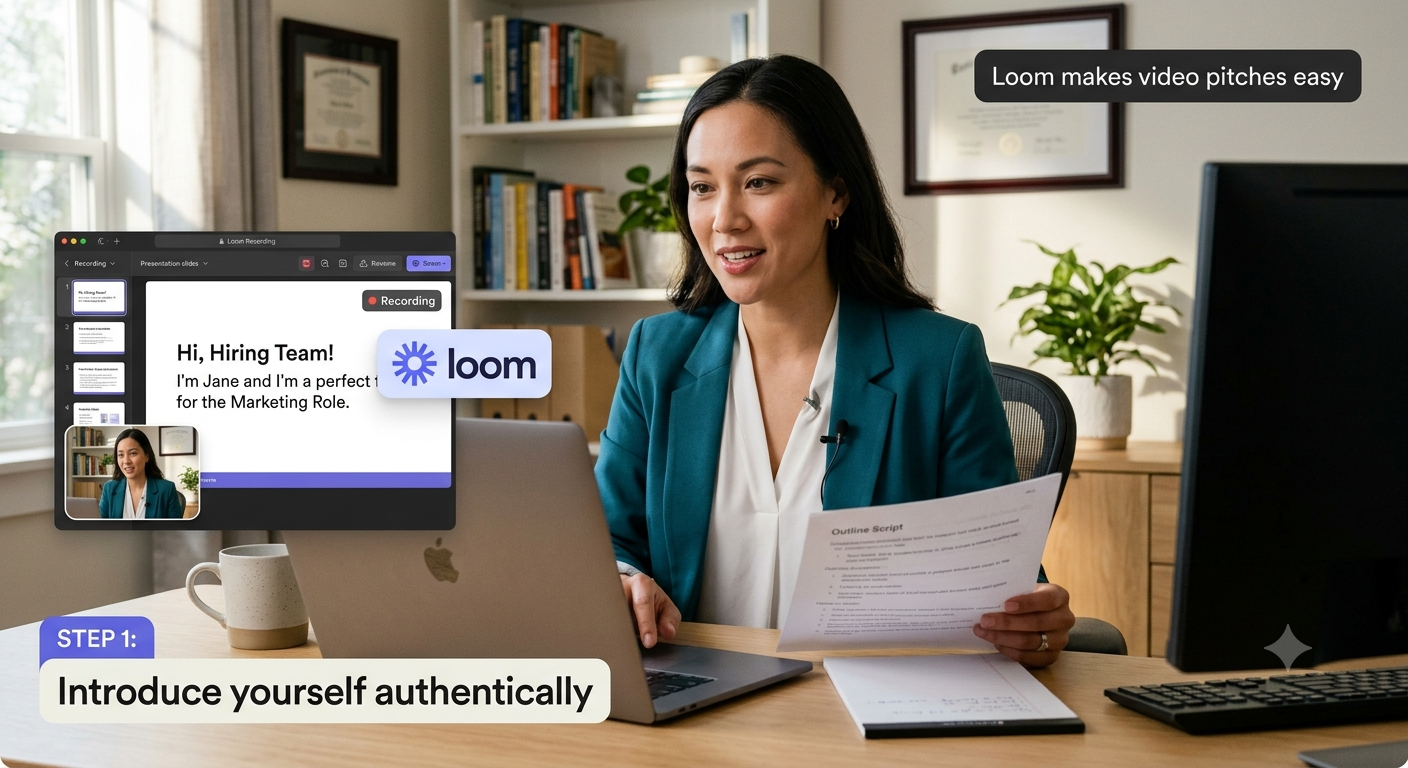
That’s why it is important to prepare a confident introduction in advance. Clearly practice who you are, what you do, and what value you can bring. A strong start reduces anxiety and helps you stay calm and confident throughout the interview.
Conclusion: Nervous Energy Into Powerful Interview Presence
Nervous energy doesn’t mean you’re unprepared—it means you care. And when you learn to direct that energy instead of fighting it, it becomes your biggest advantage.
The key is simple: shift your mindset, control your body, and focus on value over fear. When you do this, your nervousness transforms into enthusiasm, your anxiety turns into clarity, and your presence becomes naturally powerful.
In the end, interview success isn’t about being perfectly calm—it’s about showing up real, prepared, and in control of your energy.
“Turn your nervous energy into confidence and explore opportunities on Best Job Tool where your true potential gets noticed.”




Leave a Reply