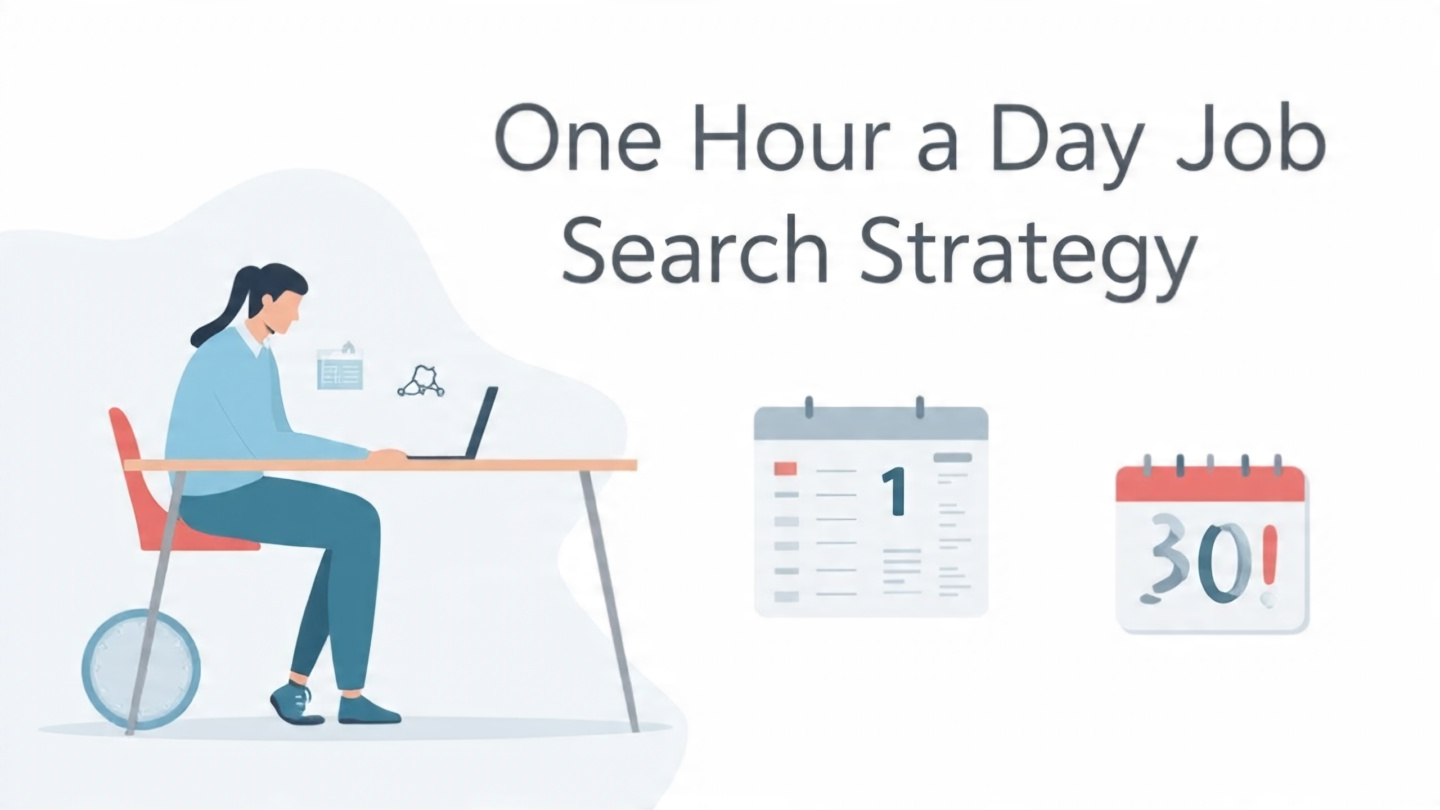
Introduction: One Hour a Day Strategy
Are you searching for a job but not aware of the one hour a day strategy?
Job searching often feels overwhelming not because opportunities are not available, but because the process is complicated. People apply randomly, update their profiles sometimes, and lose consistency after a few days. Because of this, they spend months without getting meaningful responses.
But there is a simple approach that can change everything: the 1 hour a day strategy.
In this article, we will explore what the 1 hour a day strategy is and how it can transform your job search in 30 days.
One Hour a Day Strategy to Transform Your Job Search in 30 Days
Phase 1: Days 1–5 → Fix Your Foundation
The most important step is to build a strong foundation. Because until your foundation is strong, everything else will feel ineffective and irrelevant. That is why you should make your resume and LinkedIn profile strong.
1. Optimize Your Resume (Day 1–2)
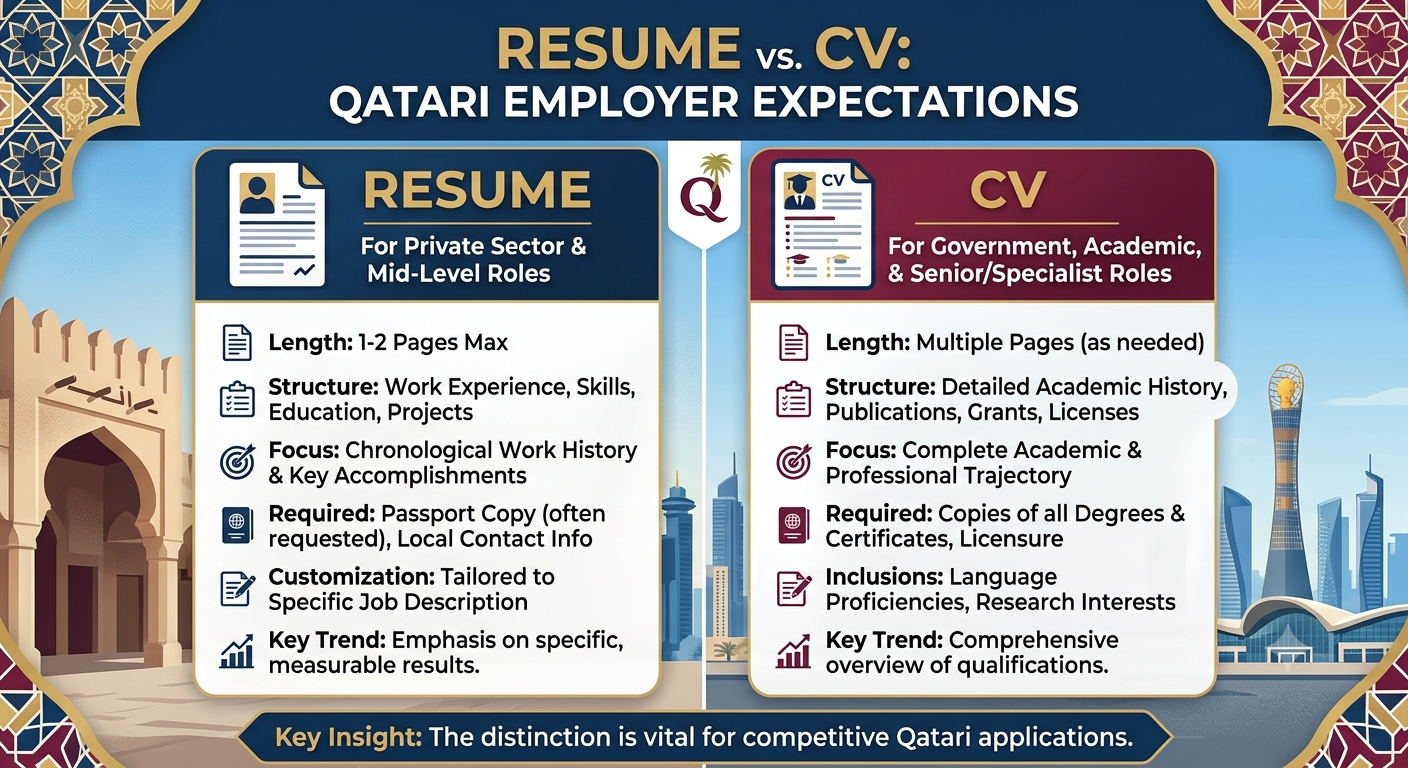
Resume may be a small word, but it is the most important part of job searching. Because the resume is the first document a recruiter sees even before meeting the candidate. Through the resume, the recruiter understands about the candidate. That is why if the resume is good and impressive, the recruiter calls for an interview. But if the resume is not good, it can be rejected immediately.
A lot of people treat the resume like a biography and write everything about themselves, whether it matches the job role or not. That is a mistake. You need to remember that a resume is a marketing document.
That is why you should focus on clear headlines, a strong summary, a relevant skills section, achievement-based bullet points, and keywords from the job description.
2. Improve Your LinkedIn Profile (Day 3–4)
Recruiters check your LinkedIn profile before calling you. That is why optimizing your LinkedIn profile is very important. If your profile is not good, you will keep applying for jobs but may not get interview calls. Interview calls come only when a recruiter is impressed with your profile.
That is why make sure your headline is focused on your role. The “About” section should clearly explain your skills. The experience section should show real work. And your profile photo should look professional and clear.
3. Define Your Job Target (Day 5)
Before applying for a job, the most important thing is to understand yourself. You need to figure out what kind of job you actually want. If you enter the job market without clarity, you will feel confused and your direction will become unclear.
That is why, before applying for jobs, find answers to questions like: what role do you want, what industry you are interested in, what salary range you expect, and what skills are required.
Because clarity reduces wasted job applications.
Phase 2: Days 6–15 → Build Visibility
Now that your foundation is strong, you can move to the next step: increasing your visibility. Because until you become visible, people will not notice you, and you will not get selected.
Visibility is very important in job searching because even if you have skills, you need to show them to the right people so that opportunities can reach you.
You should spend 1 hour every day on your job search, but you need to use this time in a smart way.
First 20 minutes: Job search
Search for relevant roles in your field or your dream job. Save the jobs you find on LinkedIn, Indeed, or company websites. Do not apply immediately—first collect quality job roles.
Next 20 minutes: Tailoring applications
Do not send too many applications in one day. Select only 3 to 5 jobs that best match your skills. Read the job description carefully. Adjust your resume for each role, add relevant keywords, write a short and targeted cover note, and then send a customized resume for each application.
Last 20 minutes: Networking
Most people ignore this step, but it is very powerful. You should build networking for better opportunities. Send 3 to 5 connection requests daily, message professionally and politely, and engage with posts regularly.
Phase 3: Days 16–25 → Build Authority
At this stage, you stop being just a candidate and start positioning yourself as a professional.
1. Start Posting on LinkedIn (10–15 mins daily)
To build authority and visibility, you can share valuable posts on LinkedIn. If you consistently post useful content, people will notice you, like your posts, and some of them may visit your profile and offer better opportunities.
You don’t need the whole day for this. You only need 10 to 15 minutes daily. You can share what you are learning, small achievements, or your thoughts about the industry. This will help build trust with recruiters.
2. Improve Skills (20 mins daily)
Focusing on improving your skills is also very important because the job market keeps changing. Sometimes there are new technologies, tools, and even new skills. If you don’t improve your skills, you can become outdated.
That is why you should practice your skills daily for 20 minutes. This will help you become more professional and an expert in your field.
3. Follow Up Applications (20 mins daily)
Many candidates apply for jobs and then forget about them because they apply to many jobs in one day. As a result, they lose track of where they have applied. Similarly, recruiters also receive many job applications, so they are not able to inform every candidate about the next process.
That is why following up is very important.
Phase 4: Days 26–30 → Optimize and Scale
The last phase is optimizing and scaling. At this stage, your system is already running, and now you need to refine it.
First, analyze what is working. Ask yourself: which job roles are getting responses, which resume version worked better, and which messages got replies.
After that, improve your pitch based on your answers. Whatever needs improvement, work on it. Refine your resume summary, LinkedIn headline, and introduction message. Make them sharper and more specific.
Finally, increase efficiency. Now you can apply to more jobs than before. You can apply to 5 to 8 jobs daily. You should also network more strategically and focus on high-quality companies.
Conclusion: One Hour a Day Strategy
The One Hour a Day Strategy proves that a successful job search is not about doing more, but about doing things in a structured and consistent way. When you divide your time between job research, tailored applications, networking, and skill improvement, every day starts building real momentum instead of random effort.
In just 30 days, this approach helps you move from confusion to clarity, from scattered applications to a focused job search system, and from waiting for responses to actively creating opportunities.
The key is simple: stay consistent, stay intentional, and treat your job search like a daily habit rather than a one-time effort.
“Invest just one hour a day and explore better opportunities on Best Job Tool where consistent effort leads to real career results.”


Leave a Reply