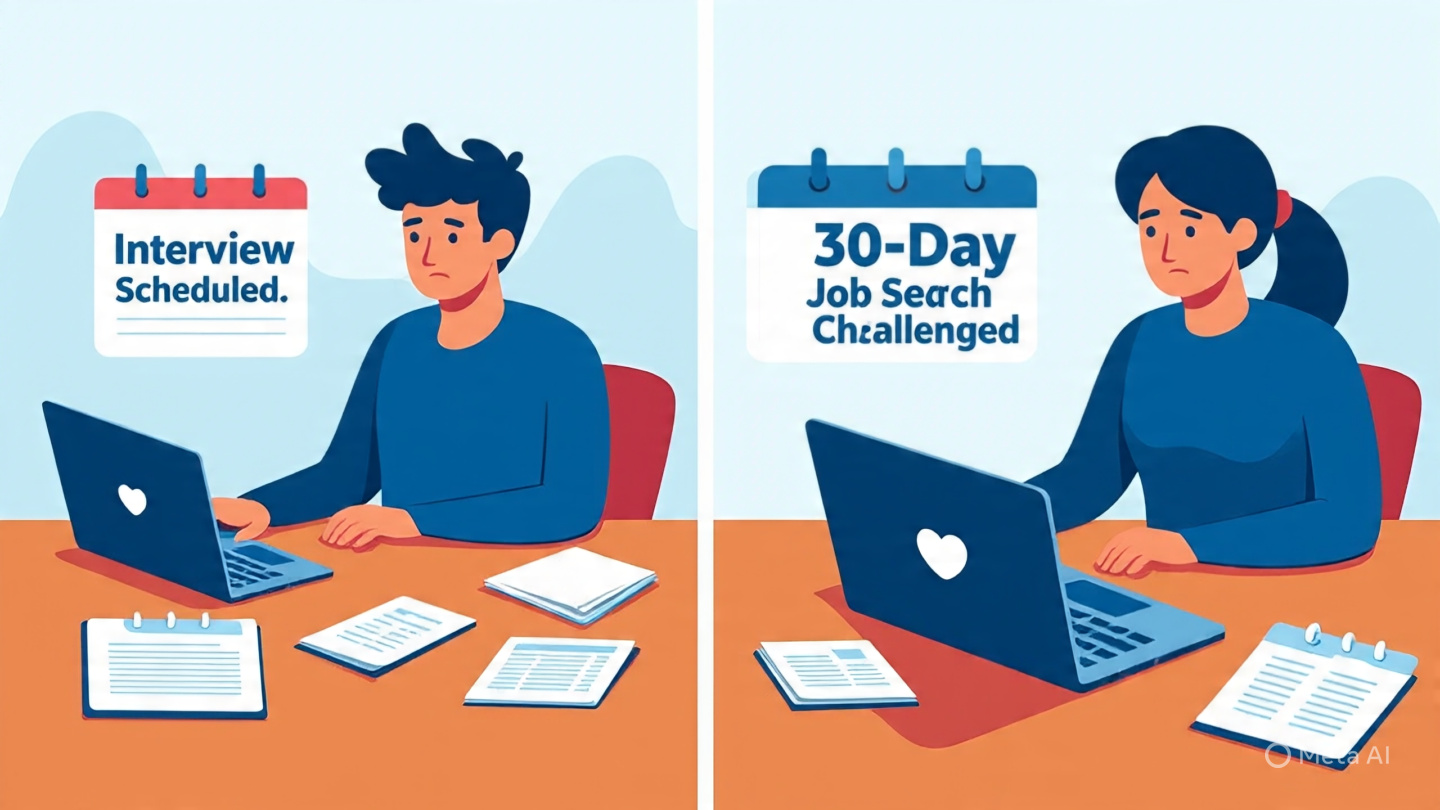
Introduction: 30-Day Job Search Challenge
Finding a job is not just about sending many applications. It is about planning, preparing, and taking consistent action every day. A 30-day job search challenge gives you direction and turns your efforts into results. When you follow a structured plan, you stay motivated, improve your skills, and increase your chances of getting interview calls.
In this article, you will learn how to create a powerful 30-day job search plan with daily and weekly goals. This guide is useful for freshers, job seekers, and career changers.
The Ultimate 30-Day Job Search Challenge (With Daily Tasks)
Week 1: Build Your Foundation (Days 1–7)
Goal: Prepare your personal brand and job-search tools.
Day 1: Set Goals and List Target Jobs
Write down your career goals. Then research job titles, locations, and industries where you want to apply.
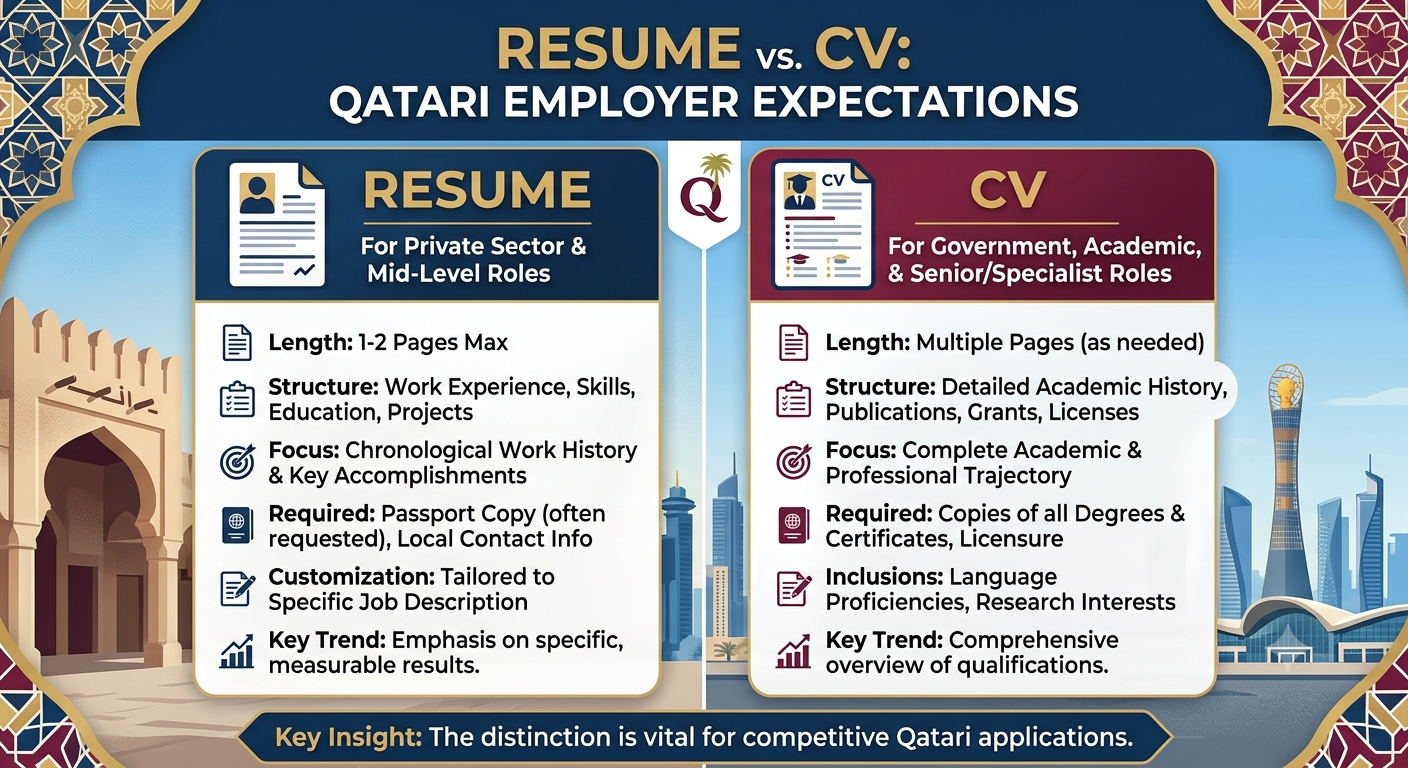
Day 2: Update Your Resume
Spend the day improving your resume. Remove old information and add relevant skills.
Day 3: Create Cover Letter Templates
Write one master cover letter that you can edit for each job.
Day 4: Improve LinkedIn Profile
Add strong keywords, update your summary, and turn on the “Open to Work” feature.
Day 5: Build or Update Portfolio
Add working samples, projects, or case studies that show your skills.
Day 6: Collect Professional References
Contact your teachers, past managers, or mentors who can recommend you.
Day 7: Create a Job Tracker
Make a simple sheet with columns: Company | Job Title | Date Applied | Status | Notes
This will help you stay organized throughout the month.
Week 2: Start Applying and Networking (Days 8–14)
Goal: Apply to jobs and start networking actively.
Day 8: Research Companies
List 15–20 companies that match your goals. Follow them on LinkedIn.
Day 9: Apply to 3–5 Jobs
Use your updated resume and cover letter to apply for suitable roles.
Day 10: Send LinkedIn Connection Requests
Send connection requests to HR managers, recruiters, employees, and alumni.
Day 11: Prepare a Short Self-Introduction
Write a 60-second introduction for calls and networking: who you are, what you do, what roles you want.
Day 12: Join Job Groups and Online Communities
Join WhatsApp groups, Facebook groups, Telegram channels, and job-related forums.
Day 13: Attend One Online Webinar or Event
This helps you learn and meet new people.
Day 14: Follow Up on Earlier Applications
Send follow-up emails to check the status of your applications.
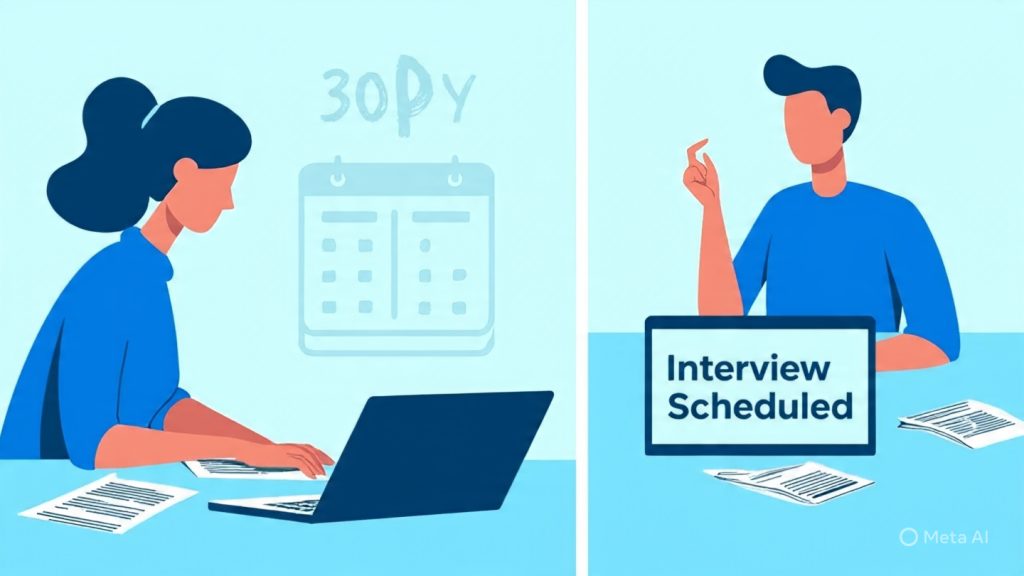
Week 3: Skill Building and Interview Preparation (Days 15–21)
Goal: Improve skills and practice interview questions.
Day 15: Identify Skill Gaps
List the skills required for your target jobs. Compare them with your current skills.
Day 16: Start a Short Skill Course
Choose one online course related to your field. Spend at least one hour learning daily.
Day 17: Practice Common Interview Questions
Practice answers to questions like:
- Tell me about yourself
- Why should we hire you?
- What are your strengths and weaknesses?
- Day 18: Record Yourself Answering Questions
Use your phone to record video answers. Watch and improve your body language.
Day 19: Do a Mock Interview
Ask a friend or mentor to take your interview online.
Day 20: Update Portfolio or GitHub
Add your new work or improve existing projects.
Day 21: Apply to 5 More Jobs
Use your improved resume and skills to apply again.
Week 4: Consistency, Follow-ups, and Confidence (Days 22–30)
Goal: Stay regular and push harder for results.
Day 22: Review Your Progress
Check your job tracker and see how many applications you sent and who responded.
Day 23: Improve Weak Areas
Work on communication, grammar, confidence, or technical skills.
Day 24: Follow Up Again
Send polite messages to recruiters and hiring managers to remind them about your application.
Day 25: Attend One Networking Event
This can be online or offline. Introduce yourself to new people.
Day 26: Apply to 3 More Jobs
Focus on quality applications, not quantity.
Day 27: Read Industry Articles
Stay updated so that you sound knowledgeable during interviews.
Day 28: Practice Online Tests
Many companies conduct skill tests. Practice logical reasoning, aptitude, or job-based tests.
Day 29: Prepare for Future Interviews
Review questions, research companies, and choose your best outfits for interviews.
Day 30: Reflect, Celebrate, and Plan Next Month
Check what worked and what did not. Celebrate your consistency, even if results are still coming.
Remember: most people quit early. Your consistency gives you an advantage.
Conclusion: 30-Day Job Search Challenge
Many people apply for jobs randomly and then wait for results. But a job search without a plan is like traveling without a map. A plan helps you:
- Stay organized
- Apply strategically, not blindly
- Improve your resume and skills
- Build confidence
- Track progress every week
- Increase interview chances
A 30-day job search challenge does not guarantee a job immediately, but it increases your chances of success by building momentum and consistency.
“Start your 30-day job search challenge today and explore smarter opportunities on Best Job Tool where consistency turns into real results.”


Leave a Reply