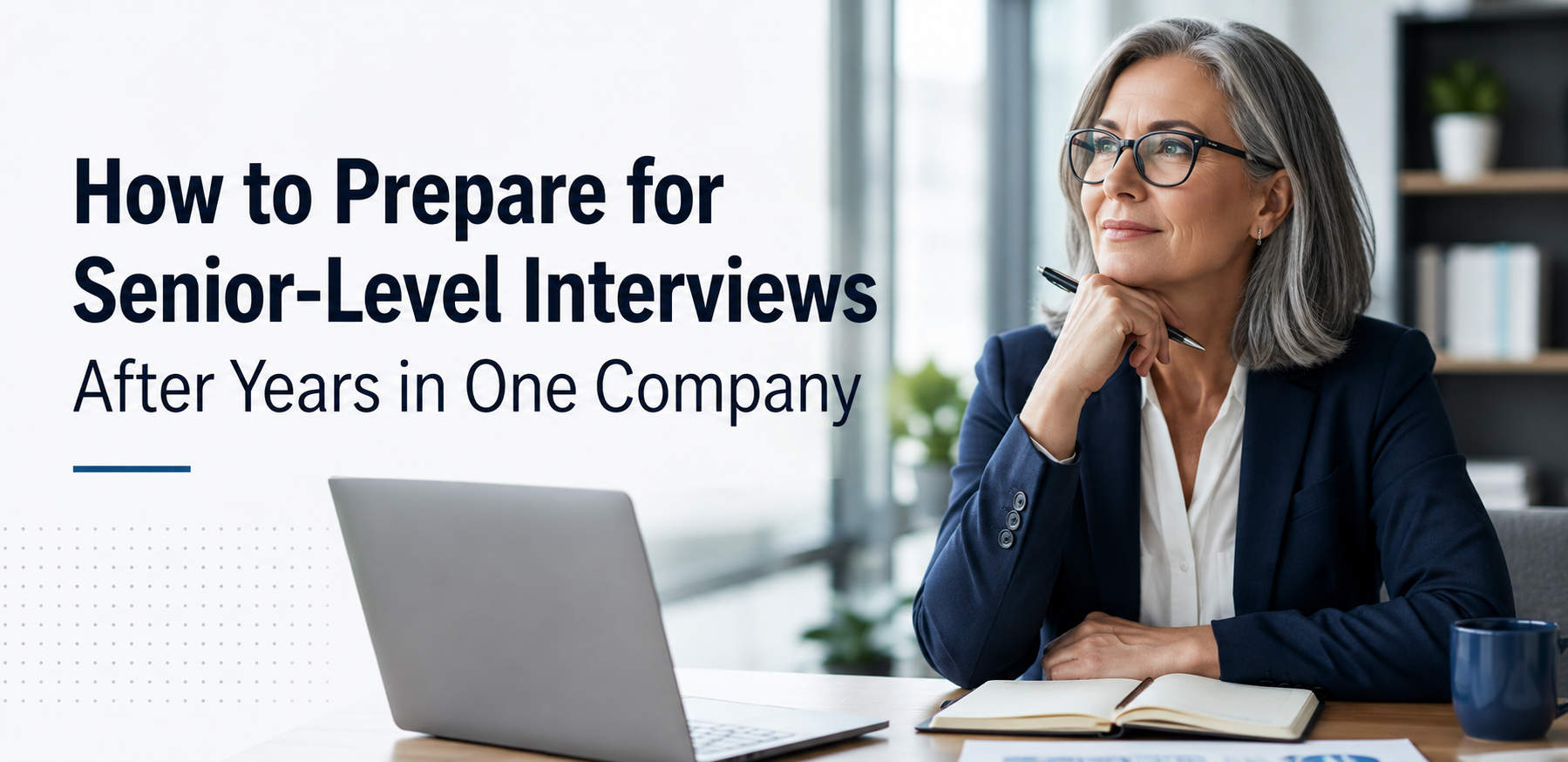
Introduction: Senior-Level Interviews
When we work in the same company for many years, we often think about applying for a senior role. However, many people do not know how to handle a senior-level interview. Because of this, they feel confused and avoid applying for senior positions.
People who have worked in a company for a long time usually have strong experience. In interviews, they can present their internal achievements in a way that impresses recruiters and increases their chances of getting hired.
In this article, we will explain how you can prepare for senior-level interviews after spending years in one company.
How to Prepare for Senior-Level Interviews After Years in One Company?
1. Understand What Senior-Level Interviews Are Really Testing
Before attending a senior-level interview, you need to understand what is usually tested in these interviews.
In senior roles, you are often expected to lead junior team members and handle different situations. That is why recruiters look for leadership qualities in candidates.
They evaluate whether you can lead a team, make strategic decisions, drive business results, and solve problems effectively. Because of this, you should focus on preparing and improving your leadership skills.
2. Reframe Your Long Tenure as a Strength
When a candidate has worked in the same company for a long time, they may think it is a negative point. However, this is not true. They can use it as one of their biggest strengths.
A candidate who has spent years in the same company usually understands the company very well. They know the processes, rules, work culture, and organizational structure. Because of this, they need less training compared to someone coming from outside the company.
During the interview, you can explain that you already understand how the company works. This makes you a strong candidate for the role and can increase your chances of getting hired.
3. Update Your Resume for an External Audience
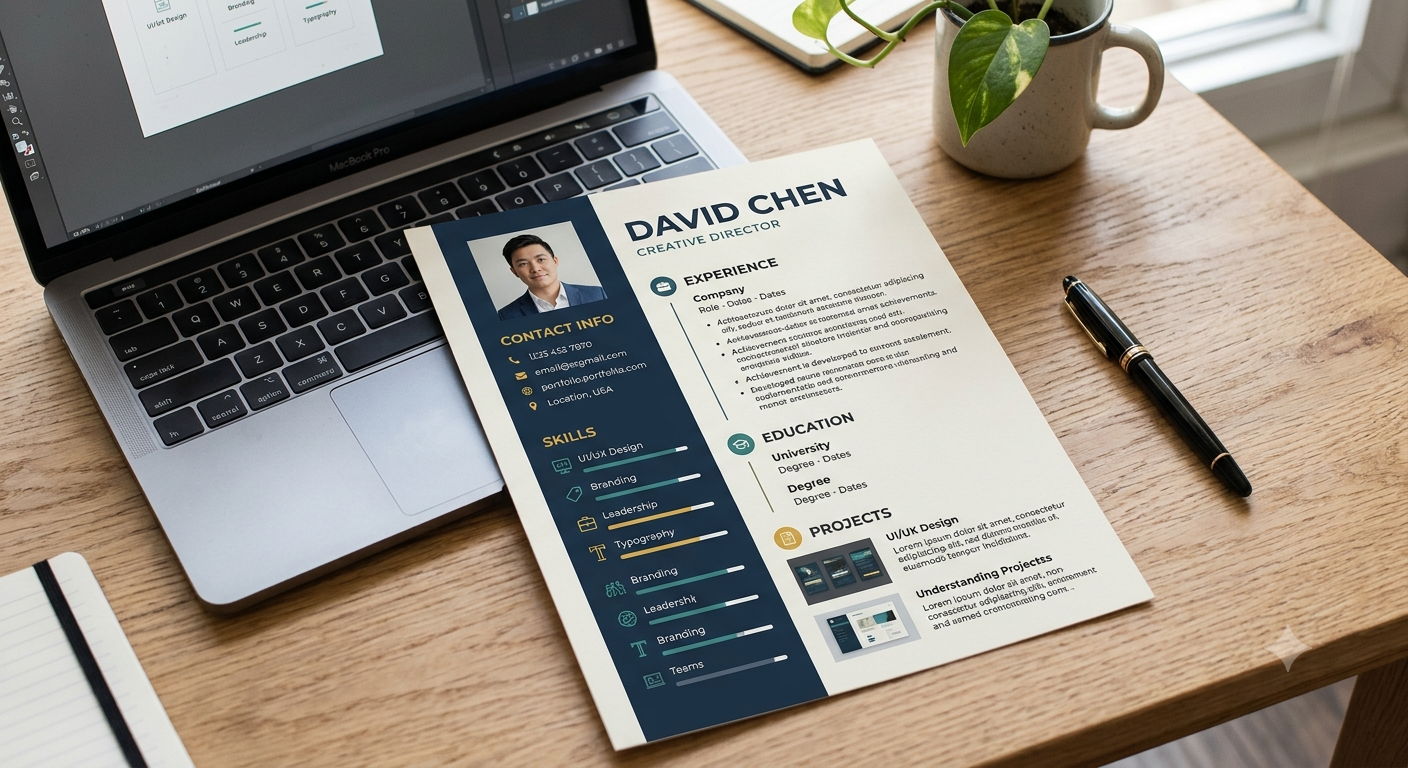
To prepare for a senior-level interview in the same company, you need to update your resume. However, you should create it from an external audience’s perspective. Many people applying for senior roles focus too much on responsibilities and company-specific terms. Instead, your resume should highlight measurable results and achievements in clear and simple language.
When you have many years of experience, you may have a lot of information to include in your resume. However, that does not mean your resume should be long. Keep it concise and focused, ideally one or two pages, and include only the most relevant achievements and experiences.

4. Prepare Leadership Stories Using the STAR Method
One of the main responsibilities of employees in senior roles is to lead junior team members and make sure work is completed effectively. Because of this, recruiters evaluate a candidate’s leadership skills during senior-level interviews.
If you are preparing for a senior-level interview, you should prepare leadership stories that show your experience. However, do not present these stories in a boring way. Otherwise, recruiters may lose interest or become confused.
A good way to present your leadership experience is by using the STAR method. STAR stands for Situation, Task, Action, and Result.
First, explain the situation so the recruiter understands the context. Then, describe the task or responsibility you had. After that, explain the actions you took to handle the situation. Finally, share the measurable results or outcomes of your efforts.
This method helps you present your leadership stories in a clear, engaging, and easy-to-understand way.
5. Practice Speaking in Strategic Terms
Another important thing you should prepare for a senior-level interview is learning how to speak in strategic terms. When employees work in the same company for many years, they often answer interview questions by focusing too much on operational details. This can reduce their chances of being selected for a senior role.
Senior-level interviews focus more on leadership, decision-making, and business impact rather than day-to-day tasks. Therefore, you should practice explaining your experience from a strategic perspective.
Before the interview, practice summarizing your role in 30 to 60 seconds. Your summary should highlight your leadership responsibilities, key contributions, and the results you achieved. This will help recruiters see your value as a senior-level candidate.
Conclusion: Senior-Level Interviews
Preparing for senior-level interviews after spending years in one company requires more than reviewing your resume. It involves learning how to present your experience in a way that highlights leadership, strategic thinking, and business impact. Employers want to see not only what you did but also how your decisions influenced results, teams, and organizational goals.
By updating your resume, preparing strong leadership stories, practicing strategic communication, and researching your target companies, you can confidently position yourself as a valuable senior professional.
“Years of experience are valuable, but how you present them matters even more. Prepare strategically and explore senior-level opportunities on Best Job Tool.”



Leave a Reply