
Introduction
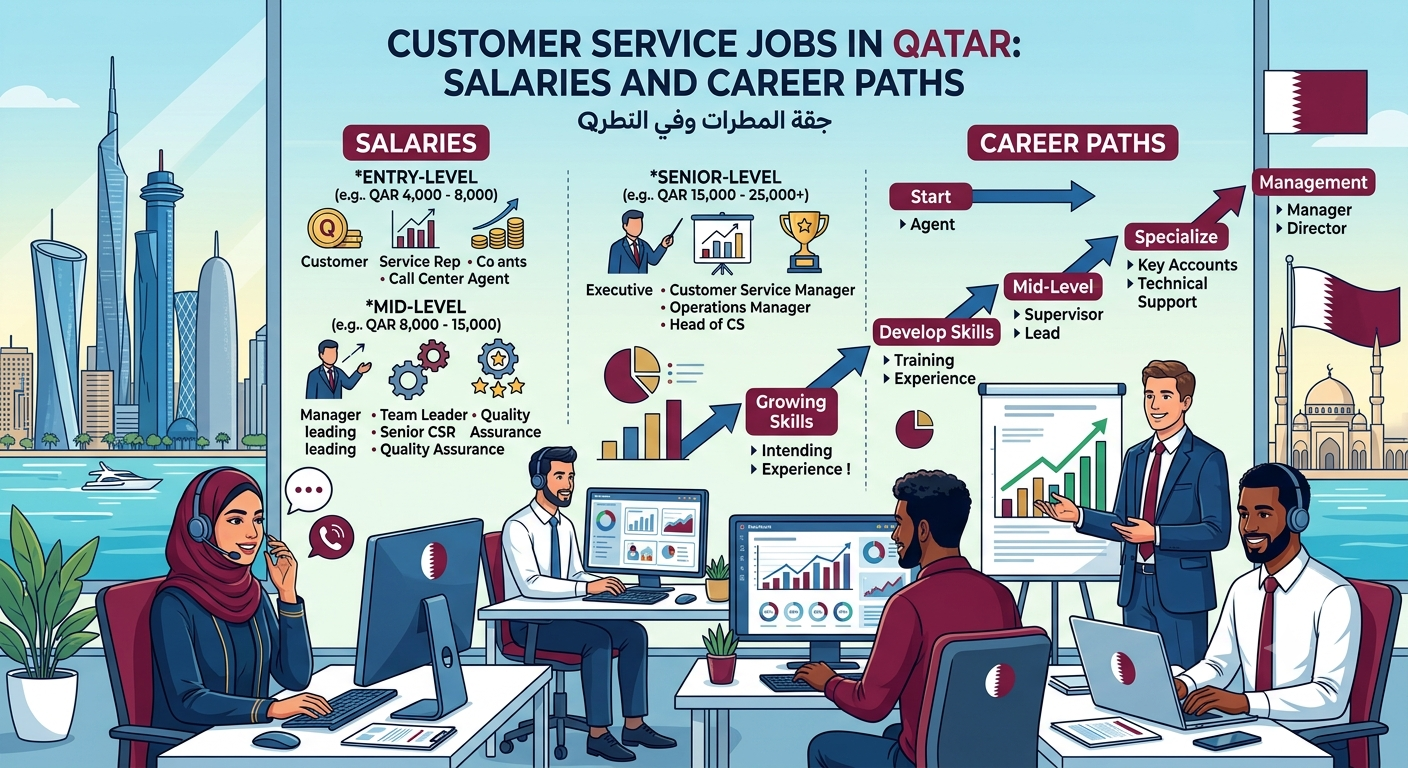
Many professionals begin their careers in call centers, often viewing these roles as temporary stepping stones rather than long-term career opportunities. However, countless business leaders, operations managers, team leads, and customer experience executives started their professional journeys answering customer calls and Positions resolving everyday issues.
Call center environments provide far more than customer service experience. They help employees develop communication, problem-solving, time management, adaptability, and leadership skills that can support career growth across multiple industries.
The career paths of professionals who advanced from entry-level call center positions to leadership roles demonstrate that success is often built through continuous learning, strong performance, and the ability to take initiative. Their experiences offer valuable lessons for anyone looking to accelerate their professional growth.
Starting With Customer Conversations
Most leadership journeys begin with mastering the fundamentals.
Entry-level call center representatives typically spendPositions their days:
- Handling customer inquiries
- Resolving complaints
- Providing product information
- Managing service requests
- Meeting performance targets
Although these responsibilities may appear routine, they help employees develop critical workplace skills.
Daily customer interactions strengthen:
- Communication abilities
- Active listening
- Patience
- Conflict resolution
- Emotional intelligence
Many future leaders credit these early experiences for helping them understand customer needs and business operations from the ground level.
Consistent Performance Creates Opportunities
One common trait among professionals who progressed into leadership positions is consistent performance.
Rather than focusing solely on promotions, successful employees concentrated on:
- Meeting quality standards
- Achieving productivity goals
- Maintaining customer satisfaction
- Supporting team objectives
- Demonstrating reliability
Managers often notice employees who consistently deliver strong results.
High performers frequently receive opportunities such as:
- Mentoring new hires
- Leading small projects
- Assisting supervisors
- Participating in training programs
These responsibilities often become the first steps toward leadership positions.
Learning Beyond Daily Responsibilities
Many successful leaders did not limit themselves to their assigned tasks.
Instead, they actively sought opportunities to expand their knowledge.
Examples include:
- Learning customer relationship management systems
- Understanding business operations
- Studying performance metrics
- Developing reporting skills
- Participating in leadership training
Continuous learning helped them build skills that extended beyond customer service.
This proactive mindset often distinguished future leaders from employees who remained focused only on daily responsibilities.
Productivity Became a Competitive Advantage
Call centers are highly performance-driven environments.
Employees are frequently evaluated on:
- Call handling efficiency
- Resolution rates
- Customer satisfaction scores
- Attendance
- Productivity metrics
Professionals who eventually moved into leadership positions learned how to optimize their workflows and improve performance.
They often focused on:
- Better time management
- Effective prioritization
- Process improvements
- Consistent goal tracking
Their ability to maintain productivity while delivering quality service demonstrated leadership potential long before receiving management titles.
Taking Ownership of Problems
Leadership often begins with ownership.
Many professionals who advanced within call center environments became known for solving problems rather than escalating them unnecessarily.
Examples include:
- Identifying recurring customer issues
- Suggesting process improvements
- Supporting struggling teammates
- Improving documentation procedures
- Sharing best practices
By taking initiative, they demonstrated qualities that organizations seek in future leaders.
Managers frequently trust employees who focus on solutions instead of simply identifying problems.
Building Strong Team Relationships
Successful leaders rarely achieve growth alone.
Many former call center representatives Positions highlight the importance of building positive relationships with:
- Supervisors
- Team members
- Trainers
- Quality analysts
- Operations managers
Strong workplace relationships provide:
- Learning opportunities
- Mentorship
- Career guidance
- Professional visibility
Employees who collaborate effectively often gain access to projects and leadership opportunities that accelerate career progression.
Networking within the organization can be just as important as external networking.
Adapting to Industry Changes
Customer service operations continue to evolve through technology, automation, and remote work.
Professionals who advanced into leadership positions embraced these changes rather than resisting them.
They learned:
- New software platforms
- Data analysis tools
- Remote team management practices
- Customer experience technologies
- Performance tracking systems
Adaptability allowed them to remain valuable as business requirements changed.
Today, many leadership roles require managing Positions hybrid and remote teams, making adaptability more important than ever.
Financial Planning Supported Career Growth
An often-overlooked lesson from successful leaders is the role of financial planning.
Career growth sometimes requires:
- Additional certifications
- Professional training
- Relocation opportunities
- Temporary role transitions
Professionals who managed their finances effectively often had greater flexibility to pursue advancement opportunities.
Helpful practices included:
- Building emergency savings
- Investing in skill development
- Managing expenses responsibly
- Planning long-term career goals
Financial stability gave them the confidence to take calculated career risks when opportunities arose.
Leveraging Remote and Global Opportunities
The rise of remote work has created new pathways for customer service professionals.
Many former call center employees have transitioned into roles such as:
- Operations management
- Customer success leadership
- Workforce management
- Training and development
- Business process improvement
Global job platforms like best job tool help professionals discover remote opportunities that align with their experience and career ambitions.
For many individuals, remote positions have accelerated leadership growth by providing exposure to international teams and broader business operations.
Conclusion
The journey from a call center role to a leadership position is built on much more than years of experience. It requires consistent performance, continuous learning, strong productivity, adaptability, and a willingness to take ownership of challenges.
The professionals who successfully made this transition did not wait for leadership opportunities to appear. They actively developed their skills, supported their teams, improved processes, and demonstrated value beyond their job descriptions.
Their stories show that leadership is not defined by a title but by actions and mindset. Whether you are currently working in customer service or considering a career in the field, the lessons from these professionals highlight how entry-level roles can become the foundation for long-term career success.
By combining workplace excellence, ongoing skill development, Positions financial planning, and opportunities available through best job tool, professionals can create meaningful career growth and position themselves for leadership opportunities in today’s evolving job market.



Leave a Reply