Introduction
Career journeys rarely follow a perfect path. Many professionals experience periods of unemployment, career breaks, industry changes, personal responsibilities, health challenges, or unexpected setbacks that interrupt their professional progress. While these gaps can feel discouraging, they do not define a person’s future. Restarts, Setbacks
Across industries, countless professionals have successfully rebuilt their careers after months or even years away from the workforce. Their stories demonstrate that career setbacks are often temporary and that a well-planned restart can lead to new opportunities, stronger skills, and greater professional satisfaction.
The experiences of these individuals offer valuable lessons for anyone seeking to Restarts regain confidence, rebuild momentum, and re-enter the workforce after a challenging period.
Career Gaps Are More Common Than Many People Think
One of the biggest misconceptions about career Restarts breaks is that they are unusual. In reality, many professionals step away from work for various reasons.
Common causes include:
- Family responsibilities
- Higher education
- Health recovery
- Relocation
- Economic downturns
- Business closures
- Caregiving duties
- Personal development
Professionals who successfully restarted their careers often realized that employers are increasingly aware that career paths are not always linear.
Instead of hiding career gaps, they learned how to explain them confidently and focus on the value they could bring moving forward.
Confidence Often Returns Before Opportunities Do
Many people returning to work face a common challenge: self-doubt.
After a long absence, professionals may question whether their skills remain Setback relevant or whether employers will take them seriously.
Successful career restarters often focused on rebuilding confidence through:
- Learning new skills
- Completing certifications
- Volunteering
- Freelance projects
- Networking activities
Small achievements helped them regain momentum and prepare for larger opportunities.
Confidence is rarely restored overnight. It grows throughRestarts consistent action and measurable progress.
Continuous Learning Helps Bridge the Gap
One of the most effective strategies used by professionals returning to Setback work is investing in learning.
Industries evolve quickly, and updating skills demonstrates commitment and adaptability.
Popular approaches include:
- Online courses
- Professional certifications
- Industry webinars
- Research projects
- Technical training
- Skill-based workshops
Learning serves two purposes:
- It strengthens professional capabilities.
- It provides evidence of growth during the career gap.
Employers often respond positively when candidates can demonstrate proactive skill development during periods away from traditional employment.
Side Projects Create Valuable Experience
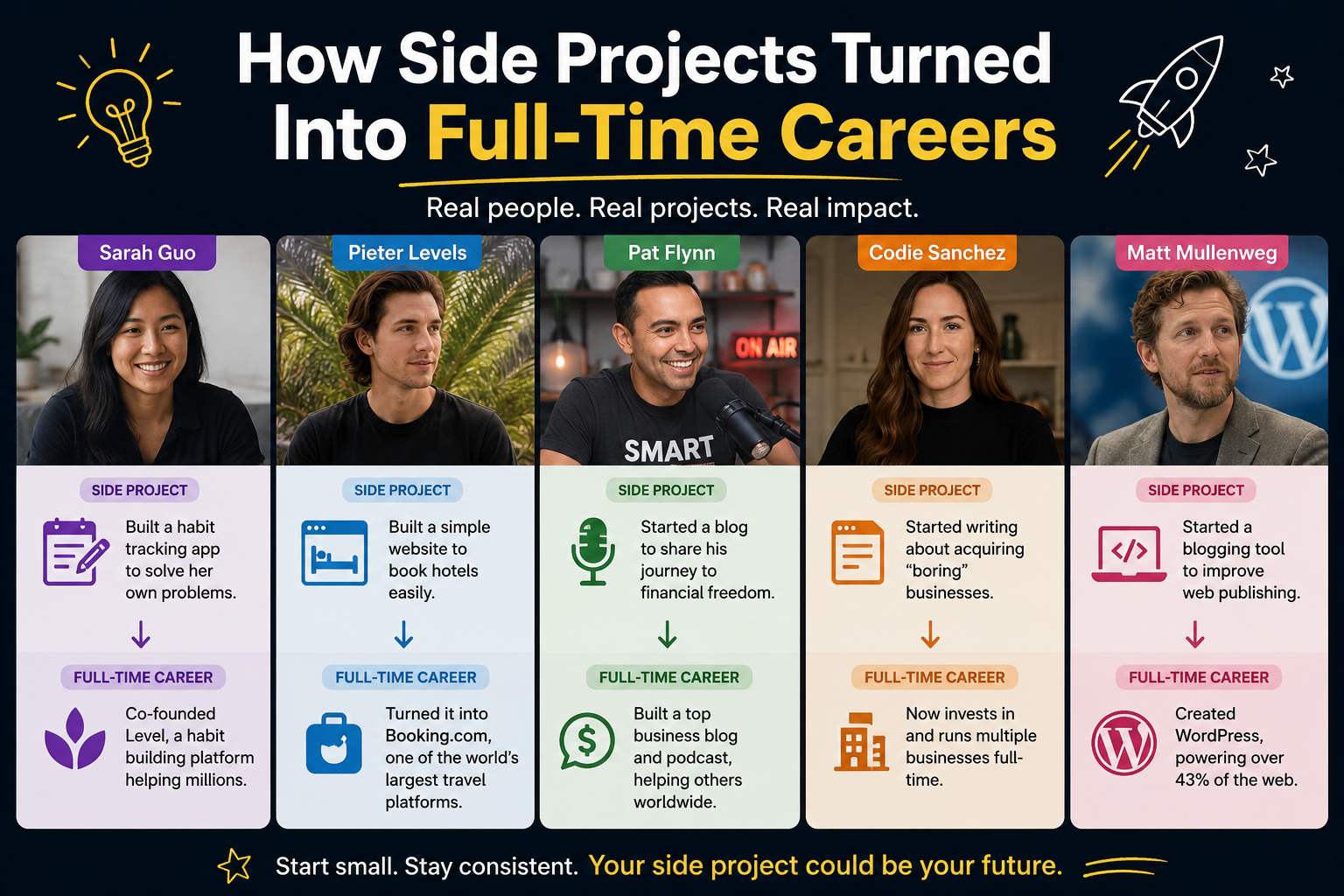
Many professionals who restarted their careers successfully used side projects to rebuild their portfolios and confidence.
Examples include:
- Personal websites
- Freelance assignments
- Community initiatives
- Research projects
- Content creation
- Consulting work
Side projects demonstrate:
- Initiative
- Productivity
- Problem-solving ability
- Continuous learning
Even when projects do not generate income, they can provide relevant experience that strengthens resumes and interview responses.
For many individuals, side projects became stepping stones toward larger professional opportunities.
Remote Work Has Created New Paths Back Into Employment
The growth of remote work has significantly expanded opportunities for professionals returning after a career break.
Remote positions often provide:
- Flexible schedules
- Reduced commuting requirements
- Global job access
- Better work-life balance
- Gradual workforce re-entry opportunities
Professionals who previously faced geographic or Setback personal constraints can now access a wider range of opportunities.
Platforms like best job tool, a global job platform, help job seekers explore remote positions that support Setback career transitions and workforce re-entry.
For many returning professionals, remote work serves as an effective bridge back into long-term employment.
Networking Accelerates Career Recovery
Career restarts are often supported by professional relationships.
Many successful professionals rebuilt their careers through networking rather than traditional job applications alone.
Effective networking activities include:
- Reconnecting with former colleagues
- Attending industry events
- Participating in online communities
- Engaging on LinkedIn
- Seeking mentorship
Networking provides:
- Industry insights
- Career guidance
- Job referrals
- Learning opportunities
- Increased visibility
A strong professional network can help reduce the challenges associated with explaining career gaps and identifying new opportunities.
Reframing Setbacks as Learning Experiences
Professionals who successfully restarted their careers rarely defined themselves by their setbacks.
Instead, they focused on lessons learned during difficult periods.
Career breaks often strengthen:
- Resilience
- Adaptability
- Time management
- Emotional intelligence
- Problem-solving abilities
For example, someone who paused their career to care for family members may develop organizational and leadership skills that remain valuable in professional settings.
Successful candidates learn to communicate these experiences in ways that highlight personal growth and transferable skills.
Financial Planning Supports a Stronger Restart
Financial preparation plays an important role in career recovery.
Many professionals use career breaks as opportunities to reassess financial priorities and develop long-term plans.
Helpful strategies include:
- Creating realistic budgets
- Building emergency savings
- Managing expenses carefully
- Investing selectively in education
- Developing additional income sources
Financial stability reduces pressure during the job search process and allows candidates to focus on finding opportunities that align with their long-term goals.
Those who plan effectively often navigate career transitions more Setback confidently.
Persistence Creates Long-Term Results
One lesson appears consistently in stories of successful career restarts: persistence matters.
Most professionals do not secure their ideal opportunity immediately after returning to the workforce.
Challenges may include:
- Application rejections
- Interview setbacks
- Skill gaps
- Competitive job markets
However, those who continue learning, networking, and applying often achieve meaningful progress over time.
Career recovery is typically a process rather than a single event.
Small wins gradually build momentum that leads to larger opportunities.
Conclusion
A career gap or setback does not determine future success. The experiences of professionals who successfully restarted their careers demonstrate that resilience, continuous learning, adaptability, and persistence can overcome even significant challenges.
Whether the break was caused by personal responsibilities, economic conditions, health issues, or professional transitions, many individuals have returned stronger Restarts and more focused than before. Restarts They rebuilt confidence through learning, gained experience through side projects, leveraged networking opportunities, and embraced new possibilities created by remote work.
In today’s evolving job market, employers increasingly recognize that career paths are not always linear. By focusing on skill development, maintaining productivity, and exploring opportunities through platforms like best job tool, professionals can successfully restart their careers and create meaningful long-term growth despite past setbacks.




Leave a Reply