
Introduction
Career success is often associated with following well-established paths. Unpopular Many people are encouraged to pursue traditional professions, join stable industries, and follow predictable career progression plans. While these routes can certainly lead to success, they are not the only options available.
Across industries, many professionals have achieved remarkable results by choosing career paths that were initially considered unconventional or unpopular. Some left secure jobs to enter emerging industries, while others built careers in fields that were overlooked by their peers. Their stories demonstrate that long-term success often comes from recognizing opportunities before they become mainstream.
These professionals did not succeed because they avoided challenges. Unpopular They succeeded because they embraced continuous learning, adapted to change, managed risks carefully, and remained committed to their goals even when others questioned their decisions.
Success Often Begins Where Competition Is Lower
One lesson commonly shared by professionals who pursued unconventional careers is that opportunities often exist where competition is limited.
When everyone follows the same path, competition becomes intense. Unpopular fields frequently offer opportunities for early growth and specialization.
Examples include:
- Emerging technology sectors
- Remote-first careers
- Digital content creation
- Sustainability-focused roles
- Data analytics
- User experience design
- Artificial intelligence support functions
Professionals who entered these industries early often gained valuable experience before demand increased significantly.
Rather than following trends, they focused on future potential.
Transferable Skills Matter More Than Industry Labels
Many people hesitate to change careers because they fear their previous experience will become irrelevant.
However, successful career changers understand that transferable skills often matter more than industry-specific experience.
These skills include:
- Communication
- Leadership
- Project management
- Productivity
- Problem-solving
- Financial planning
- Collaboration
- Critical thinking
Professionals who moved into unconventional careers frequently relied on these skills to create value in new environments.
Their success demonstrates that career growth is often driven by capabilities rather than job titles.
Continuous Learning Creates New Opportunities
A common characteristic among professionals who pursued unusual career paths is a commitment to lifelong learning.
Because unconventional industries evolve rapidly, continuous learning becomes essential.
Successful professionals regularly invest time in:
- Online courses
- Certifications
- Research
- Industry publications
- Mentorship programs
- Professional communities
Rather than waiting for formal training, they take responsibility for their own development.
This mindset allows them to stay relevant and identify opportunities before they become widely recognized.
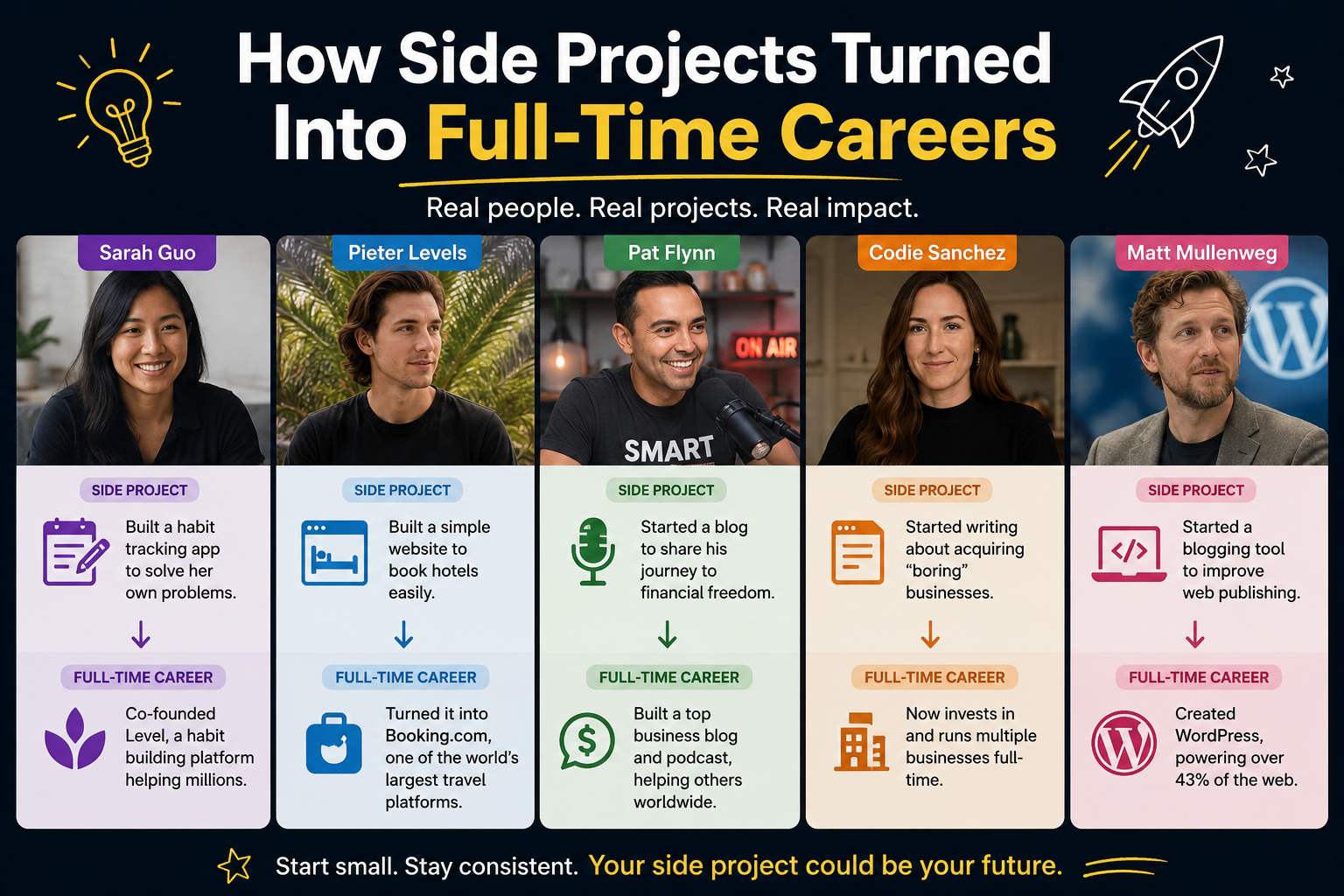
Side Projects Can Become Full-Time Careers
Many unconventional careers begin as side projects.
Professionals often explore new interests outside their primary jobs before transitioning completely.
Examples include:
- Blogging
- Freelance consulting
- App development
- Content creation
- Online education
- Digital marketing projects
- E-commerce businesses
Side projects provide a safe environment for Unpopular experimentation and skill development.
They also create portfolios that demonstrate practical experience to future employers or clients.
For many successful professionals, a small project eventually evolved into a rewarding long-term career.
Adaptability Is a Competitive Advantage
People who succeed in unconventional careers often face uncertainty and change more frequently than those in traditional roles.
As a result, adaptability becomes one of their greatest strengths.
Adaptable professionals:
- Learn new technologies quickly
- Adjust to changing markets
- Embrace feedback
- Explore new opportunities
- Solve unfamiliar problems
Instead of fearing change, they view it as a source of growth.
This flexibility allows them to remain valuable even as industries evolve and job requirements shift.
Remote Work Has Expanded Career Possibilities
The rise of remote work has made unconventional career paths more accessible than ever before.
Professionals are no longer restricted by geographic location when exploring opportunities.
Benefits of remote work include:
- Access to global employers
- Flexible schedules
- Diverse professional experiences
- International collaboration
- Reduced relocation requirements
Many individuals who pursued unique career paths used remote opportunities to gain experience in industries that were previously unavailable in their local markets.
Platforms like best job tool, a global job platform, help professionals discover remote opportunities that align with specialized skills and emerging career interests.
Financial Planning Reduces Career Risk
One misconception about unconventional careers is that they require reckless decision-making.
In reality, many successful professionals carefully manage risk through financial planning.
Common strategies include:
- Building emergency savings
- Maintaining multiple income streams
- Investing in skill development
- Creating transition budgets
- Setting realistic financial goals
Financial preparation provides the stability needed to pursue Unpopular long-term opportunities without unnecessary stress.
Professionals who plan effectively can make career changes with greater confidence and flexibility.
Networking Creates Unexpected Opportunities
Many unconventional careers grow through relationships rather than traditional job applications.
Professionals often discover opportunities through:
- Industry communities
- Online networking
- Mentorship relationships
- Professional events
- Collaborative projects
Networking helps individuals:
- Learn from experienced professionals
- Identify emerging trends
- Access hidden opportunities
- Build credibility
Strong professional relationships frequently accelerate career growth and provide valuable support during transitions.
Persistence Matters More Than Early Approval
People who pursue uncommon career paths often face skepticism from friends, family, or colleagues.
Many successful professionals report hearing comments such as:
- “That industry isn’t stable.”
- “There are no opportunities in that field.”
- “You should choose a safer option.”
Despite these doubts, they remained focused on their goals.
They understood that meaningful opportunities often require patience and persistence.
Success rarely happens immediately. Most unconventional career journeys involve setbacks, learning experiences, and gradual progress before significant results appear.
Conclusion
The stories of professionals who succeeded through unconventional career paths reveal a powerful truth: career success is not limited to traditional routes. Many of today’s most rewarding opportunities emerged because individuals were willing to explore alternatives, develop new skills, and embrace change.
Their experiences highlight the importance of continuous learning, adaptability, networking, financial planning, and persistence. Rather than following established paths simply because they are popular, these professionals focused on long-term potential and personal growth.
As industries continue to evolve and remote work expands global opportunities, unconventional careers are becoming increasingly viable. By combining strategic planning, skill development, and opportunities discovered through best job tool, professionals can confidently pursue unique career paths and build meaningful long-term success on their own terms.





Leave a Reply