Introduction
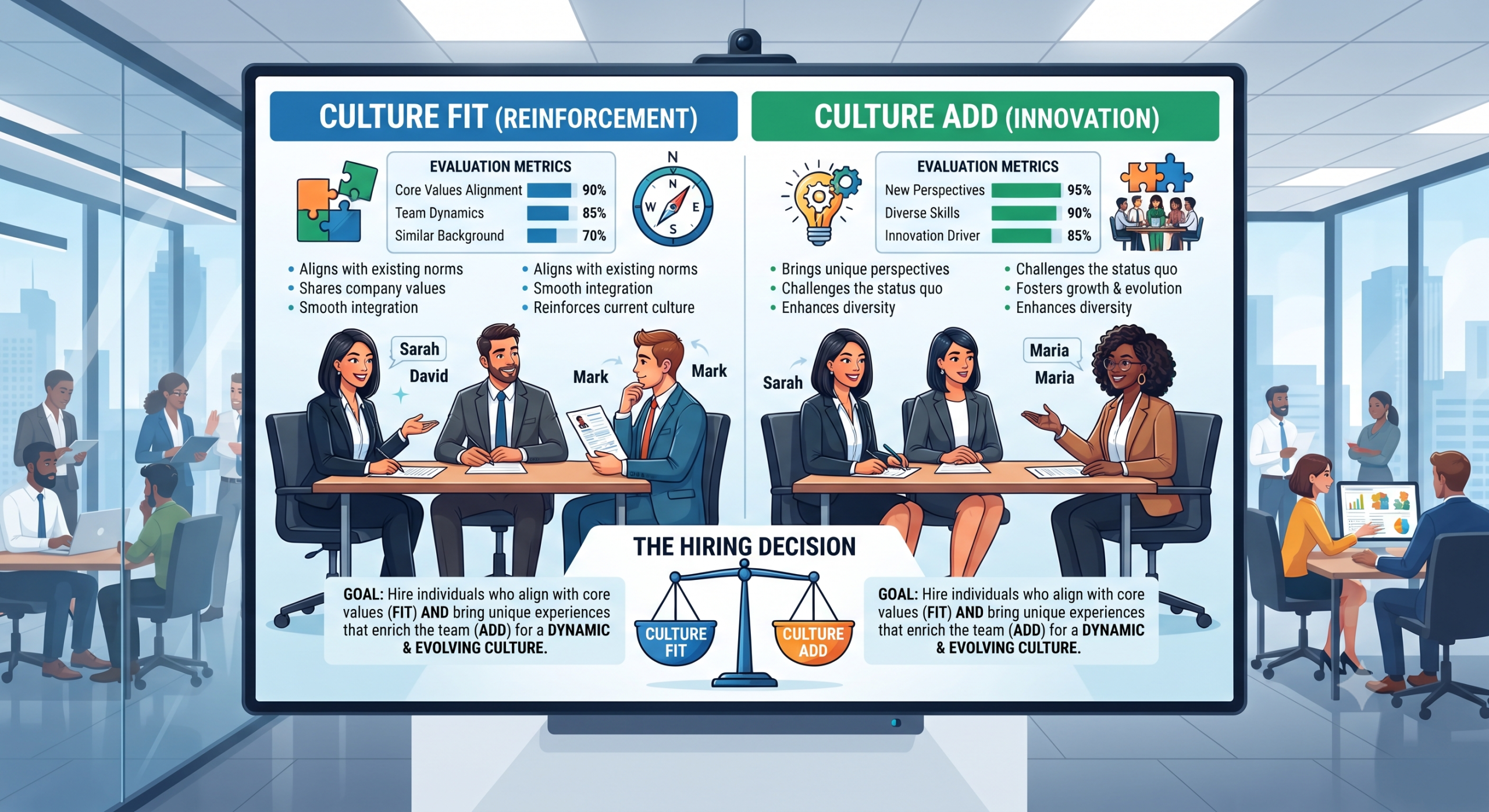
For years, hiring decisions often included one subjective question: “Does this candidate fit our culture?” While cultural alignment remains important, many organizations are shifting toward a more balanced approach by evaluating culture add instead of simply culture fit. The goal is to hire people who share the company’s core values Evaluate while also bringing fresh ideas, diverse experiences, and unique perspectives that help the organization grow.
This shift is changing how recruiters and hiring managers assess candidates during the hiring process. Today, employers want professionals who can collaborate effectively, adapt to change, and contribute something new rather than simply blending into the existing workplace.
Whether you’re applying for remote, hybrid, or on-site roles, understanding the difference between culture fit and culture add can help you prepare stronger applications and perform better in interviews. This guide explains how hiring managers evaluate both concepts and how you can position yourself as a valuable addition to any organization.
Understanding the Difference Between Culture Fit and Culture Add
Although the terms sound similar, they represent different hiring philosophies.
Culture Fit
Culture fit focuses on whether a candidate aligns with an organization’s Evaluate existing values, communication style, and work environment.
Hiring managers may evaluate:
- Professional ethics
- Communication style
- Team collaboration
- Work habits
- Accountability
- Adaptability
The objective is to determine whether the candidate can integrate smoothly into the organization.
Culture Add
Culture add goes a step further.
Instead of asking whether you fit into the existing culture, hiring managers ask:
- What new perspective can this person bring?
- How can they strengthen our team?
- What experiences make them unique?
- Can they challenge ideas respectfully?
- Will they encourage innovation?
Organizations that value culture add often build stronger, more diverse teams capable of solving complex business challenges.
Why Companies Are Prioritizing Culture Add
Modern businesses operate in rapidly changing markets where innovation and adaptability are essential.
Hiring people with identical backgrounds and viewpoints Evaluate may create stability, but it can also limit creativity.
Companies increasingly value professionals who contribute:
- Diverse industry experience
- New technical expertise
- Different leadership styles
- Creative problem-solving
- Cross-functional knowledge
- Global perspectives
Hiring managers understand that healthy debate and diverse thinking often lead to better business outcomes.
The goal is not to disrupt company culture but to strengthen it.
How Hiring Managers Assess Culture During Interviews
Culture is rarely evaluated through one direct question.
Instead, recruiters observe your responses throughout the interview.
Common evaluation areas include:
Communication
Can you explain ideas clearly?
Do you actively listen?
Can you communicate professionally with different stakeholders?
Collaboration
Examples they look for include:
- Cross-functional teamwork
- Conflict resolution
- Knowledge sharing
- Supporting colleagues
Adaptability
Employers often ask about:
- Managing change
- Learning new skills
- Handling uncertainty
- Working through unexpected challenges
Decision-Making
Hiring managers want evidence that you make thoughtful decisions while balancing business priorities.
Behavioral interview questions often reveal these qualities more effectively than technical questions.
Demonstrate Your Unique Value
Many candidates spend interviews trying to appear similar to existing employees.
Instead, focus on explaining what makes your experience valuable.
Examples include:
- Experience across multiple industries
- International work exposure
- Startup and corporate experience
- Technical expertise combined with business knowledge
- Leadership during organizational change
- Customer-facing experience
Connect your background directly to the employer’s business challenges.
Hiring managers appreciate candidates who understand how their unique experiences create measurable value.
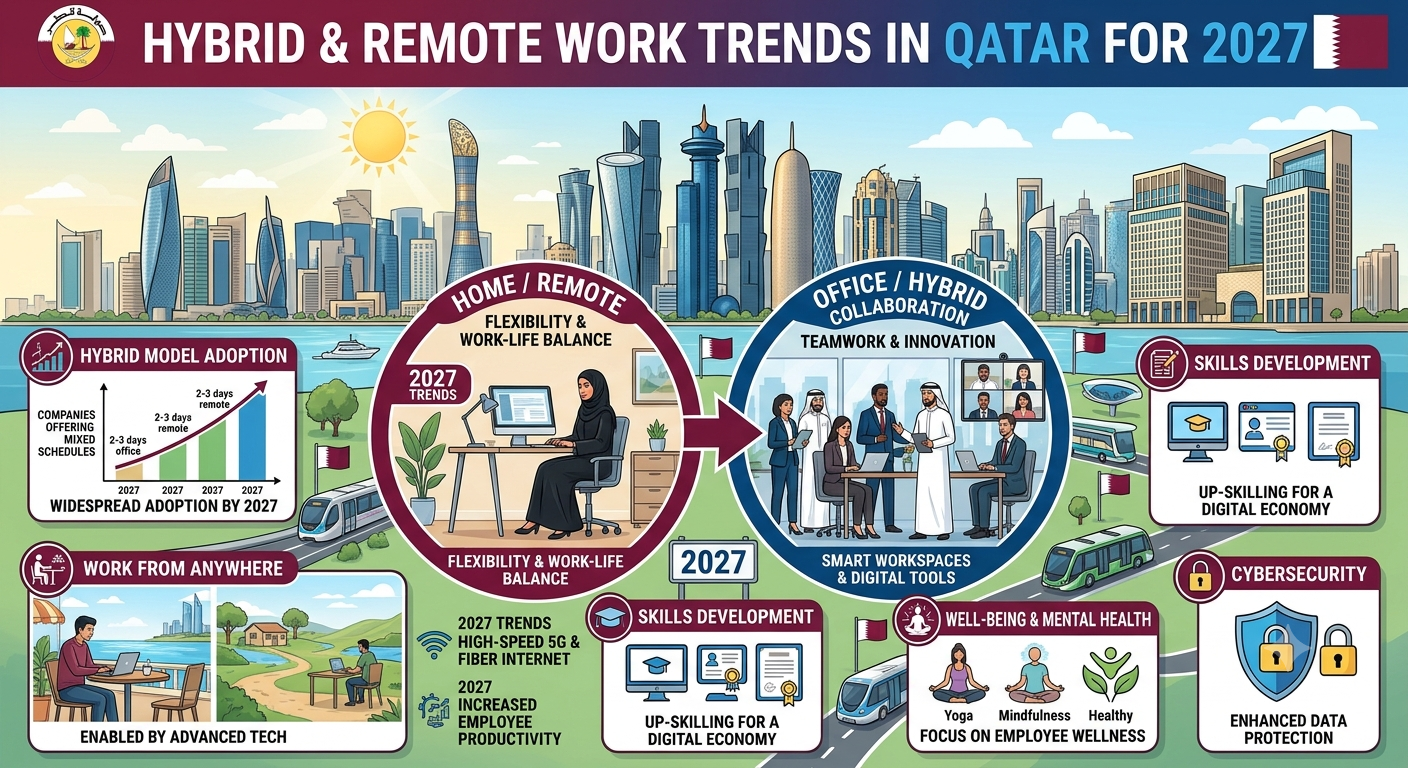
Show That You Can Thrive in Remote and Hybrid Teams
As organizations increasingly operate across multiple locations, cultural contribution extends beyond office interactions.
Highlight experiences involving:
- Remote collaboration
- Virtual leadership
- Cross-cultural communication
- Distributed project management
- Digital teamwork
- Asynchronous communication
Mention tools such as:
- Microsoft Teams
- Slack
- Zoom
- Notion
- Asana
- Jira
If you’ve worked successfully across different time zones or while traveling, briefly mention how you maintained communication and productivity. This demonstrates flexibility and strong organizational skills.
When exploring remote opportunities, best job tool, a global job platform, can help you discover organizations that value diverse experiences and collaborative work environments.
Balance Confidence with Humility
Hiring managers appreciate confidence, but they also value candidates who remain open to learning.
During interviews:
- Share accomplishments confidently.
- Give credit to teammates where appropriate.
- Explain lessons learned from challenges.
- Show curiosity about the company.
- Demonstrate willingness to receive feedback.
Professionals who combine expertise with continuous learning often contribute positively to workplace culture.
Research Company Values Before Applying
Understanding a company’s values allows you to demonstrate alignment without appearing rehearsed.
Review:
- Company mission
- Leadership messages
- Careers page
- Employee testimonials
- Public announcements
- Corporate social responsibility initiatives
During interviews, connect your experiences to those values using specific examples.
Avoid pretending to be someone you’re not.
Authenticity builds stronger long-term relationships than attempting to match every perceived expectation.
Build Skills That Make You a Strong Culture Add
Develop capabilities that strengthen teams regardless of industry.
Focus on:
- Emotional intelligence
- Leadership
- Communication
- Problem-solving
- Collaboration
- Strategic thinking
- Adaptability
- Continuous learning
These skills help you contribute positively while introducing fresh perspectives.
As your career grows, best job tool can help you connect with employers seeking professionals who bring both strong cultural alignment and meaningful new ideas.
Conclusion
The hiring process is evolving from simply finding candidates who “fit in” to identifying professionals who can strengthen organizational culture through diverse experiences, fresh thinking, and collaborative leadership. While aligning with company values remains important, hiring managers increasingly seek individuals who challenge assumptions respectfully, contribute new perspectives, and help teams innovate.
By understanding the difference between culture fit and culture add, preparing authentic examples from your experience, demonstrating adaptability in remote and hybrid environments, and showcasing continuous learning, you can position yourself as a valuable addition to any organization. As you continue your job search, best job tool, a global job platform, can help you discover opportunities with employers who value both professional excellence and meaningful cultural contributions.
Leave a Reply